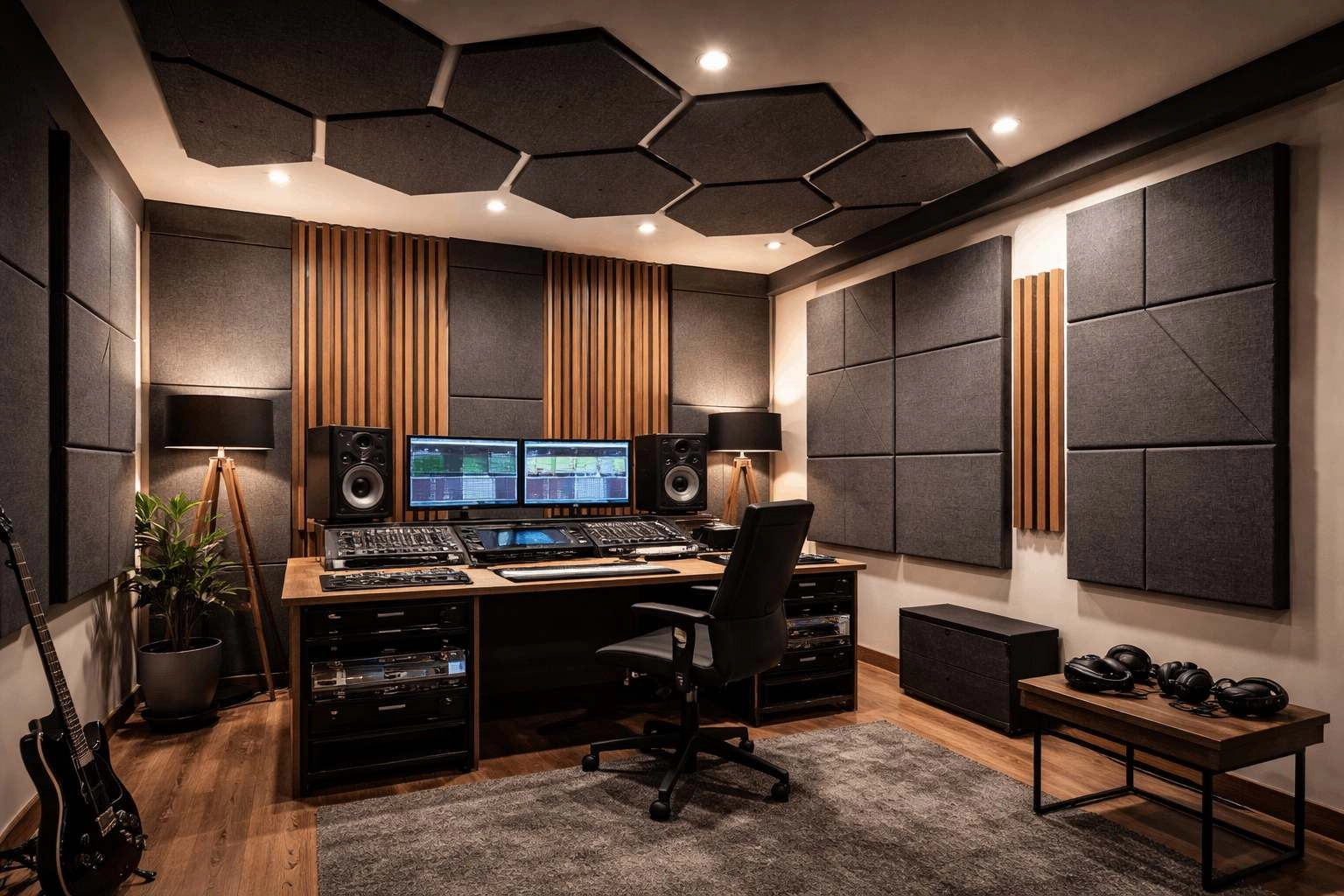
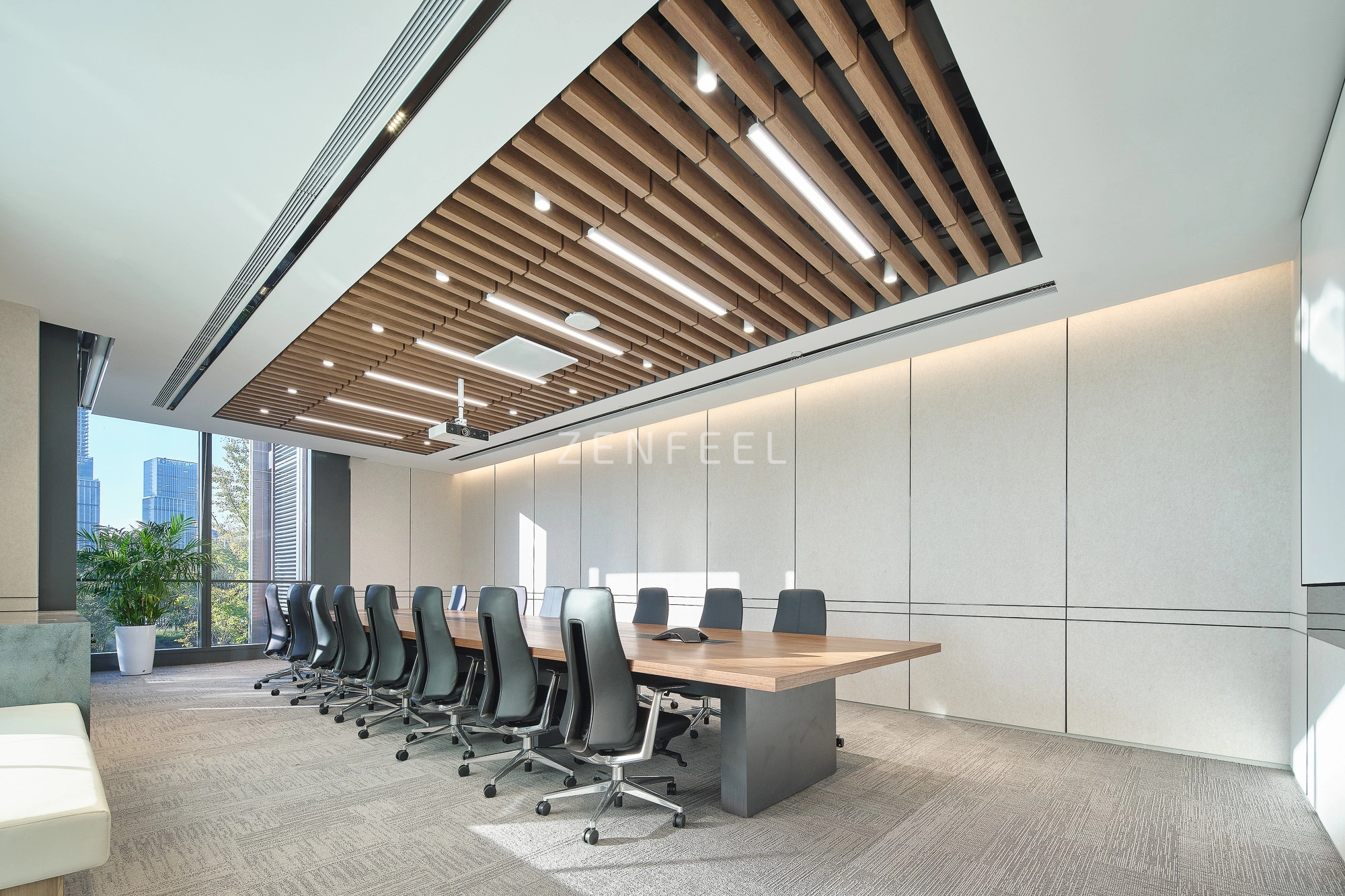
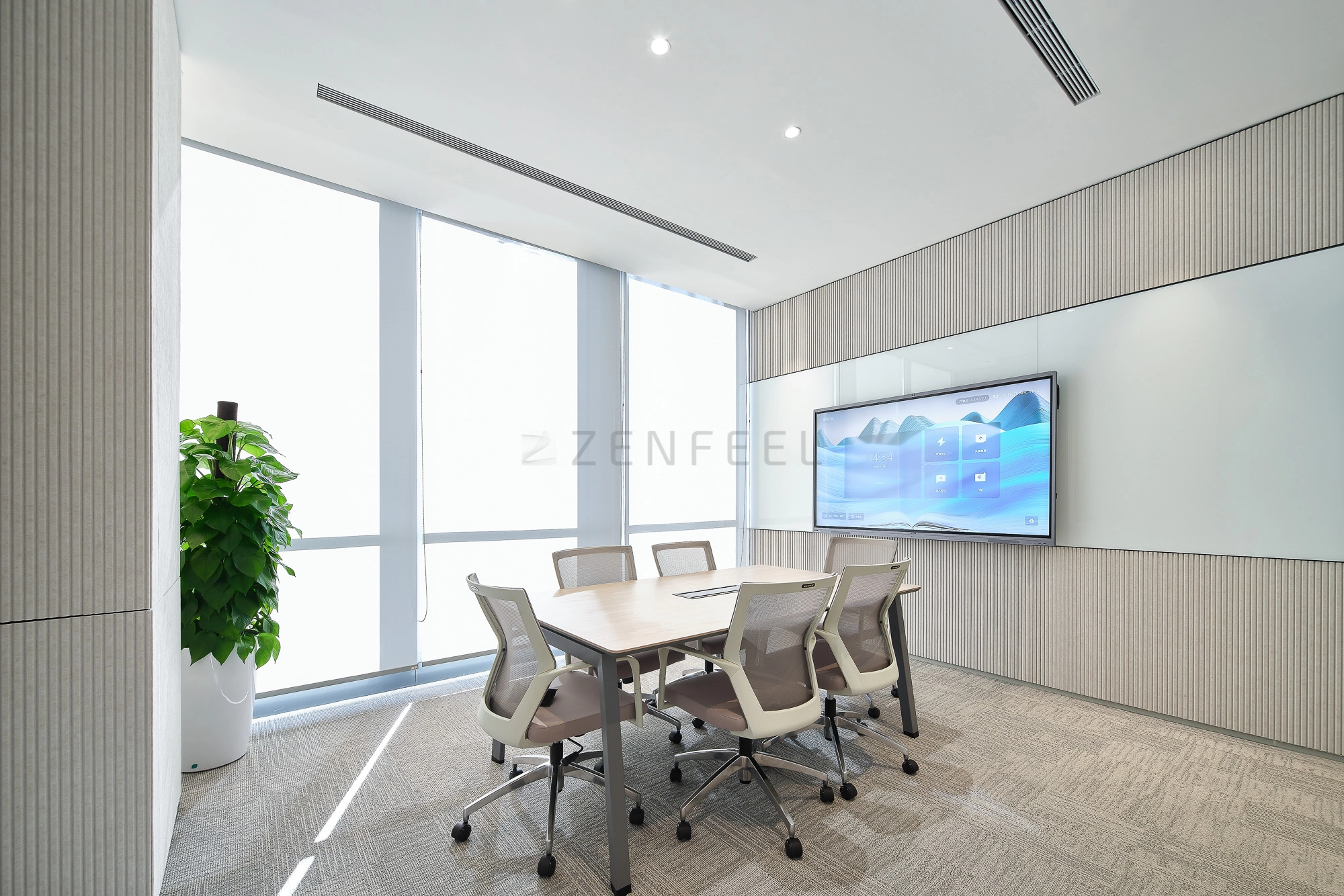
Modern office architecture increasingly embraces spacious layouts, exposed ceilings, and industrial-inspired interiors. While these designs create an open and visually impressive environment, they often introduce a major challenge: excessive noise. Conversations, phone calls, HVAC systems, and office equipment generate sound that bounces off concrete, glass, and metal surfaces, creating echoes and reducing speech clarity.
For businesses occupying high-ceilinged offices, traditional wall-mounted acoustic treatments alone are rarely enough. This is where hanging office acoustic panels become one of the most effective acoustic solutions. Suspended from the ceiling, these panels intercept sound waves before they spread throughout the space, significantly improving acoustic comfort while maintaining the architectural openness of the workplace.
Whether you're designing a new office, renovating an existing workspace, or managing a commercial building, understanding how suspended acoustic panels work can help you create a quieter, healthier, and more productive environment.
Why High Ceilings Create Acoustic Challenges
High ceilings are aesthetically appealing, but acoustically they present several issues that affect daily workplace performance.
Longer Sound Reflection Paths
When ceilings are several meters high, sound waves travel farther before reflecting back into occupied areas. Instead of dissipating quickly, sound continues bouncing between hard surfaces, increasing reverberation time.
The result includes:
Employees often compensate by speaking louder, which further raises the overall noise level.
Hard Building Materials Amplify Noise
Many contemporary office buildings feature:
These surfaces reflect rather than absorb sound, allowing noise to accumulate throughout the office.
Open Layouts Increase Sound Transmission
Open-plan offices eliminate physical barriers, allowing conversations to travel freely across departments. Combined with high ceilings, this creates an environment where even distant conversations remain audible.
What Are Hanging Office Acoustic Panels?
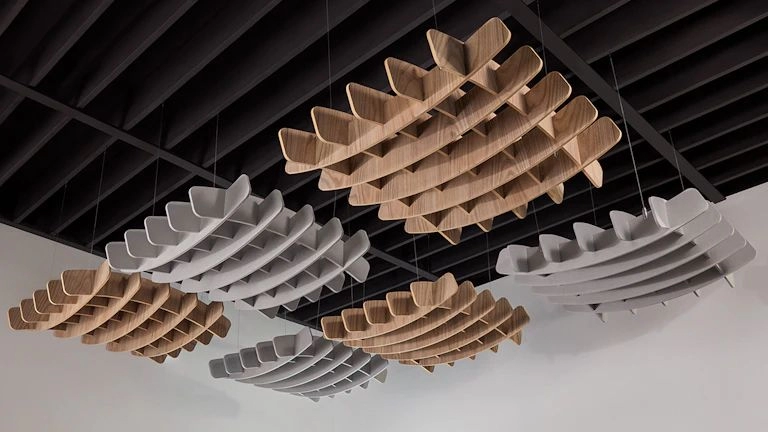
Hanging office acoustic panels, also called suspended acoustic panels or acoustic baffles, are sound-absorbing panels suspended vertically or horizontally from the ceiling.
Unlike traditional wall panels, hanging panels utilize the unused overhead space to intercept sound from multiple directions.
They are commonly manufactured using materials such as:
Available in numerous shapes, sizes, colors, and thicknesses, hanging panels can complement virtually any office design.
How Hanging Acoustic Panels Work
The primary function of acoustic panels is absorption rather than sound blocking.
When sound waves strike the porous surface of the panel, part of the acoustic energy enters the material instead of reflecting back into the room.
Inside the panel:
Sound energy converts into minute amounts of heat
Reverberation decreases
Echoes become less noticeable
Overall noise levels are reduced
Because hanging panels expose both sides to sound, they typically provide more effective absorption per square meter than flat ceiling treatments.
Advantages of Hanging Office Acoustic Panels
Excellent Performance in Large Spaces
High-ceiling offices often include expansive open areas where installing enough wall panels is impractical.
Suspended acoustic panels absorb sound directly within the volume of the room, making them especially effective in:
Corporate headquarters
Co-working spaces
Creative studios
Technology offices
Financial institutions
Government buildings
Preserve Architectural Design
Many companies choose exposed ceilings because they create a modern industrial appearance.
Installing a traditional suspended ceiling would hide architectural features.
Hanging office acoustic panels maintain:
while significantly improving acoustic performance.
Flexible Installation
Suspended panels can be installed almost anywhere.
They may hang:
This flexibility allows designers to target the noisiest areas without extensive renovation.
Improve Employee Productivity
Numerous workplace studies indicate that excessive office noise contributes to:
By reducing reverberation, hanging office acoustic panels create a more comfortable environment where employees can focus for longer periods.
Better Speech Privacy
Open offices frequently struggle with speech privacy.
Although acoustic panels do not make conversations completely private, they reduce the distance voices travel by absorbing reflected sound.
Benefits include:
Types of Hanging Office Acoustic Panels
Vertical Acoustic Baffles
These panels hang vertically from the ceiling.
Advantages include:
Horizontal Acoustic Clouds
Acoustic clouds suspend horizontally above occupied areas.
They are particularly effective over:
Meeting rooms
Reception areas
Cafeterias
Collaboration spaces
Cloud systems often become attractive architectural features.
Geometric Acoustic Panels
Modern manufacturers offer innovative shapes including:
Hexagons
Circles
Waves
Triangles
Cylinders
Custom artistic designs
These combine acoustic performance with visual appeal.
Custom Suspended Systems
Large commercial projects often require customized solutions based on:
Ceiling height
Noise source locations
Lighting layouts
HVAC systems
Interior branding
Custom hanging office acoustic panels allow architects to integrate acoustic treatment seamlessly into the overall workspace design.
Choosing the Right Materials
Material selection greatly influences both acoustic performance and appearance.
PET Felt Panels
PET felt has become one of the most popular materials because it offers:
Lightweight construction
High sound absorption
Recycled content
Excellent durability
Easy maintenance
Wide color selection
Fabric-Wrapped Panels
Fabric-covered panels provide:
They are common in executive offices and meeting rooms.
Fiberglass Acoustic Panels
Fiberglass offers outstanding acoustic efficiency and is widely used in commercial environments where maximum noise reduction is required.
Mineral Wool Panels
Mineral wool provides excellent sound absorption together with fire resistance, making it suitable for buildings with stringent safety requirements.
Design Considerations for High-Ceiling Offices
Successful acoustic design involves more than simply hanging panels randomly.
Ceiling Height
The higher the ceiling, the more carefully panel placement should be planned.
Designers often suspend panels at different heights to maximize sound interception.
Panel Density
The amount of coverage depends on:
Room volume
Occupancy
Surface materials
Noise levels
Professional acoustic calculations help determine the appropriate quantity.
Panel Orientation
Vertical baffles generally perform differently from horizontal clouds.
Many projects combine both systems for optimal performance.
Lighting Integration
Modern acoustic panels can be installed alongside:
LED fixtures
Pendant lights
Linear lighting
Skylights
This creates visually balanced ceilings without sacrificing illumination.
Best Applications for Hanging Office Acoustic Panels
Open-Plan Offices
Open offices benefit enormously from suspended acoustic treatments.
Panels reduce:
Conference Rooms
Meeting rooms require clear speech communication.
Hanging acoustic panels improve:
Video conference audio
Presentation clarity
Team discussions
Client meetings
Reception Areas
Reception spaces typically feature tall ceilings and hard finishes.
Suspended acoustic panels create a welcoming atmosphere by reducing echoes while enhancing the visual identity of the entrance.
Collaborative Spaces
Brainstorming zones generate higher sound levels than individual workstations.
Installing hanging office acoustic panels above collaboration areas helps contain noise without restricting teamwork.
Cafeterias and Break Rooms
Lunchrooms are among the loudest office environments.
Ceiling-mounted acoustic panels significantly reduce dining noise and improve employee comfort.
Installation Tips
Proper installation directly affects acoustic performance.
Key recommendations include:
Position panels near primary noise sources.
Avoid obstructing HVAC airflow.
Maintain adequate spacing between panels.
Coordinate layouts with lighting and sprinklers.
Follow manufacturer suspension guidelines.
Verify ceiling load capacity before installation.
Working with experienced installers ensures optimal results.
Maintenance and Longevity
One reason hanging office acoustic panels remain popular is their minimal maintenance requirements.
Routine care typically involves:
Dust removal with a vacuum or soft brush
Occasional wiping according to manufacturer recommendations
Regular inspection of suspension cables and mounting hardware
Prompt replacement of damaged components
High-quality acoustic panels retain both their appearance and sound-absorbing performance for many years, making them a cost-effective investment.
Sustainability Benefits
Environmental responsibility has become a key consideration in commercial interior design.
Many hanging office acoustic panels now incorporate sustainable features such as:
Recycled PET fibers made from plastic bottles
Low-VOC materials that support healthier indoor air quality
Recyclable components
Long service life to reduce waste
Energy-efficient manufacturing processes
Choosing environmentally friendly acoustic solutions helps organizations align with green building initiatives and corporate sustainability goals.
Common Mistakes to Avoid
Although acoustic panels are highly effective, several common mistakes can limit their performance.
Installing Too Few Panels
Treating only a small portion of a large office often fails to achieve noticeable improvements. Proper coverage based on room size and reverberation targets is essential.
Focusing Only on Aesthetics
Decorative panels should also provide verified acoustic performance. Look for products with tested sound absorption ratings suitable for commercial environments.
Ignoring Ceiling Height
Panel suspension distance and layout should be tailored to the specific ceiling height rather than using a one-size-fits-all approach.
Overlooking Future Flexibility
As office layouts evolve, modular hanging systems allow panels to be repositioned or expanded without major renovations.
How to Choose a Reliable Hanging Office Acoustic Panels Manufacturer
The quality of acoustic panels varies considerably among suppliers. When evaluating a hanging office acoustic panels manufacturer, consider more than just price.
Key factors include:
Proven experience in commercial acoustic projects
Availability of acoustic test reports and product certifications
A broad range of materials, sizes, colors, and suspension systems
Customization options for branding or unique architectural designs
Consistent manufacturing quality and delivery reliability
Technical support for acoustic planning and installation guidance
For architects, contractors, distributors, and facility managers, partnering with an experienced manufacturer ensures that the finished solution delivers both visual appeal and measurable acoustic performance.
Future Trends in Hanging Office Acoustic Panels
As workplace design continues to evolve, suspended acoustic solutions are becoming more innovative. Emerging trends include:
Biophilic-inspired acoustic panels with organic shapes
Integrated LED lighting and acoustic systems
Modular panels that adapt to changing office layouts
Digitally printed panels featuring custom graphics or branding
Smart acoustic solutions designed for hybrid work environments
Increased use of recycled and carbon-conscious materials
These developments allow organizations to improve acoustics while creating workplaces that are flexible, sustainable, and visually engaging.
Conclusion
High-ceilinged offices offer an impressive sense of openness, but they also present significant acoustic challenges that can affect employee productivity, communication, and overall workplace comfort. Hanging office acoustic panels provide an effective way to control reverberation without compromising architectural aesthetics. By absorbing sound within the open volume of a room, they help create quieter, more focused environments while preserving the spacious character of modern office interiors.
From open-plan workspaces and conference rooms to reception areas and collaborative zones, suspended acoustic panels offer a versatile solution that combines functionality with contemporary design. Selecting high-quality materials, planning the right panel layout, and working with an experienced office acoustic panels manufacturer can maximize long-term performance and return on investment.
As businesses continue to prioritize employee well-being, sustainability, and flexible workplace design, hanging office acoustic panels will remain an essential component of modern commercial interiors. Investing in the right acoustic solution today can transform a noisy, echo-filled office into a comfortable workspace that supports productivity, collaboration, and professional success.




 +86 18963687089

 en
en it
it es
es hu
hu ja
ja sv
sv pt
pt ms
ms ko
ko ru
ru fr
fr de
de ar
ar