When businesses start planning to improve workplace acoustics, one of the first questions they ask is: how much do office acoustic panels cost? While it may seem like a straightforward product purchase, the reality is that office acoustic panels price can vary significantly depending on materials, design, performance, installation method, and project scale.
Understanding what drives the cost is essential for making a smart investment. Without this knowledge, companies may either overspend on unnecessary premium features or underspend and end up with poor acoustic performance.
In this comprehensive guide, we will break down everything that affects the price of office acoustic panels and help you understand how to choose the right solution for your workspace budget and needs.
Why Office Acoustic Panels Prices Vary So Much
Unlike standard office furniture, acoustic panels are not a one-size-fits-all product. They are engineered sound-absorbing materials designed to control echo, reverberation, and overall noise levels.
The office acoustic panels price depends on multiple variables, including:
Raw materials used
Acoustic performance level (NRC rating)
Panel thickness and density
Design and customization
Installation requirements
Project size and coverage area
Because of these variables, two offices with similar sizes can have very different total costs.
1. Material Type: The Biggest Price Factor
The material used in acoustic panels is one of the most important cost drivers.
Common Materials:
How Material Affects Price
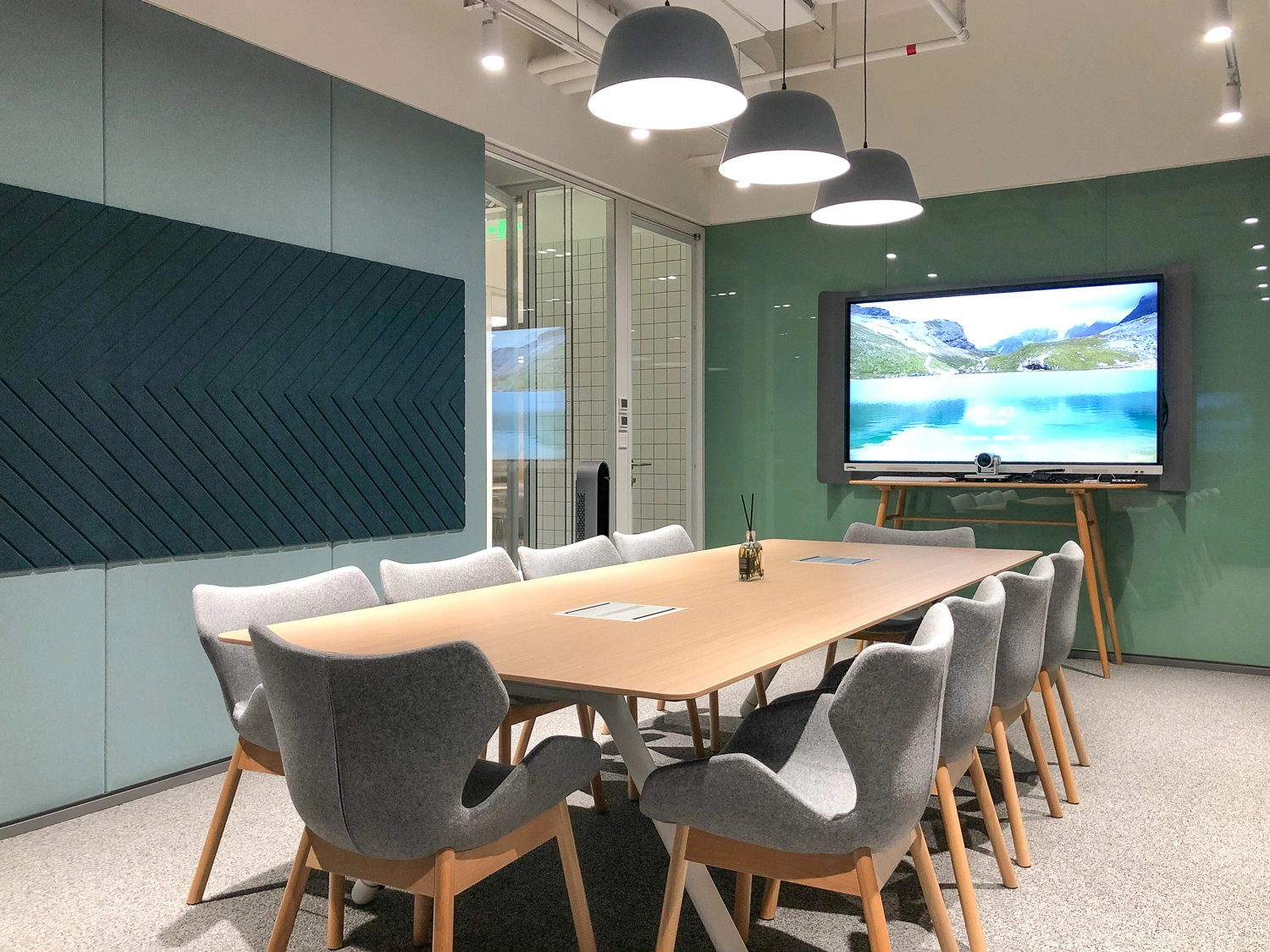
Foam panels are usually the cheapest but offer lower durability and limited acoustic performance.
Polyester fiber panels are mid-range in price and widely used in modern office designs.
Fiberglass fabric panels are more expensive but provide excellent sound absorption.
Wooden acoustic panels are premium products that combine aesthetics and performance.
Higher-quality materials generally increase the office acoustic panels cost, but they also deliver better long-term acoustic performance and durability.
2. Acoustic Performance (NRC Rating)
Another key factor influencing price is the Noise Reduction Coefficient (NRC) rating.
The NRC value indicates how much sound a panel can absorb. The higher the NRC, the better the acoustic performance—and usually, the higher the price.
NRC Price Impact:
NRC 0.5–0.6 → Budget range
NRC 0.7–0.8 → Mid-range performance
NRC 0.85–1.0 → Premium acoustic panels
High-performance office sound absorbing panels require advanced materials and engineering, which increases manufacturing cost.
3. Panel Thickness and Density
Thickness directly affects sound absorption efficiency.
Typical Thickness Levels:
9–12mm (light duty, low cost)
15–25mm (standard office use)
30mm+ (high-performance acoustic control)
Thicker panels generally:
Absorb lower frequencies better
Provide improved echo reduction
Cost more due to material usage
Density also plays a role—denser materials usually deliver better acoustic performance but come at a higher price.
4. Design and Aesthetic Customization
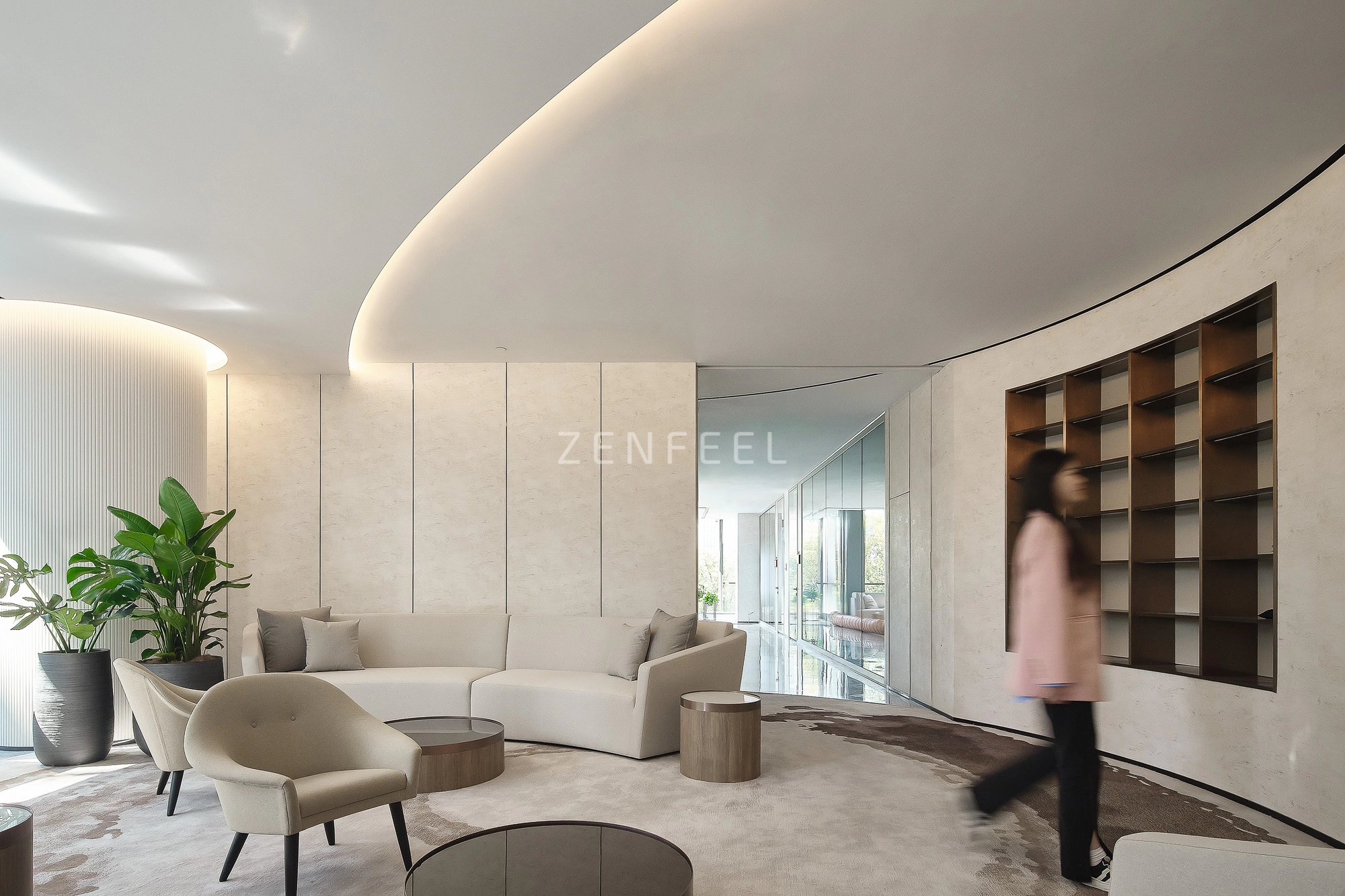
Modern offices increasingly prefer decorative acoustic panels that blend with interior design.
Customization options include:
Color variations
Printed graphics
Geometric shapes
3D wall designs
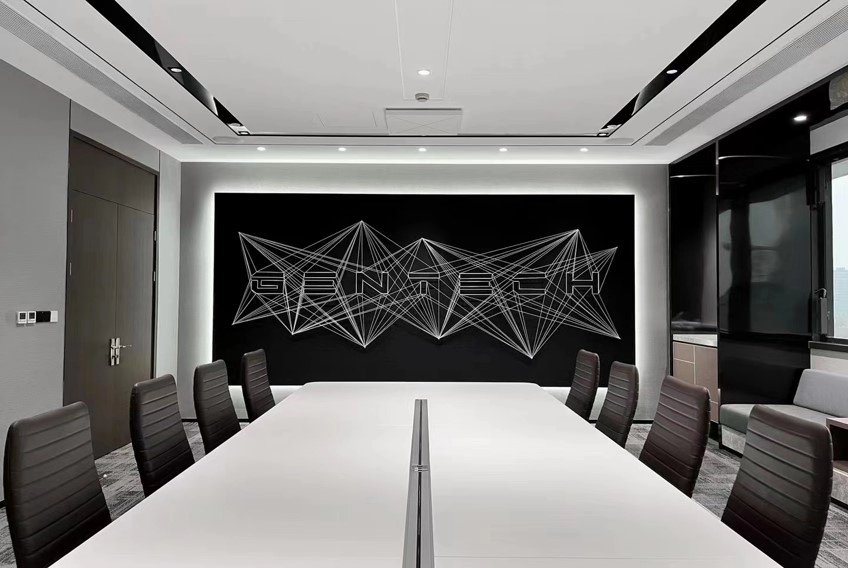
Brand logo integration
These design upgrades significantly affect the office acoustic panels price, especially for commercial spaces that prioritize branding and aesthetics.
For example:
Standard rectangular panels → lower cost
Custom-shaped decorative panels → higher cost
Designer acoustic wall systems → premium pricing
5. Size and Coverage Area
One of the most direct cost factors is how many square meters of acoustic treatment your office requires.
Key Concept:
Most offices need 20%–40% surface coverage for effective noise control.
Cost Relationship:
However, bulk purchasing often reduces per-unit price, so larger projects may benefit from volume discounts.
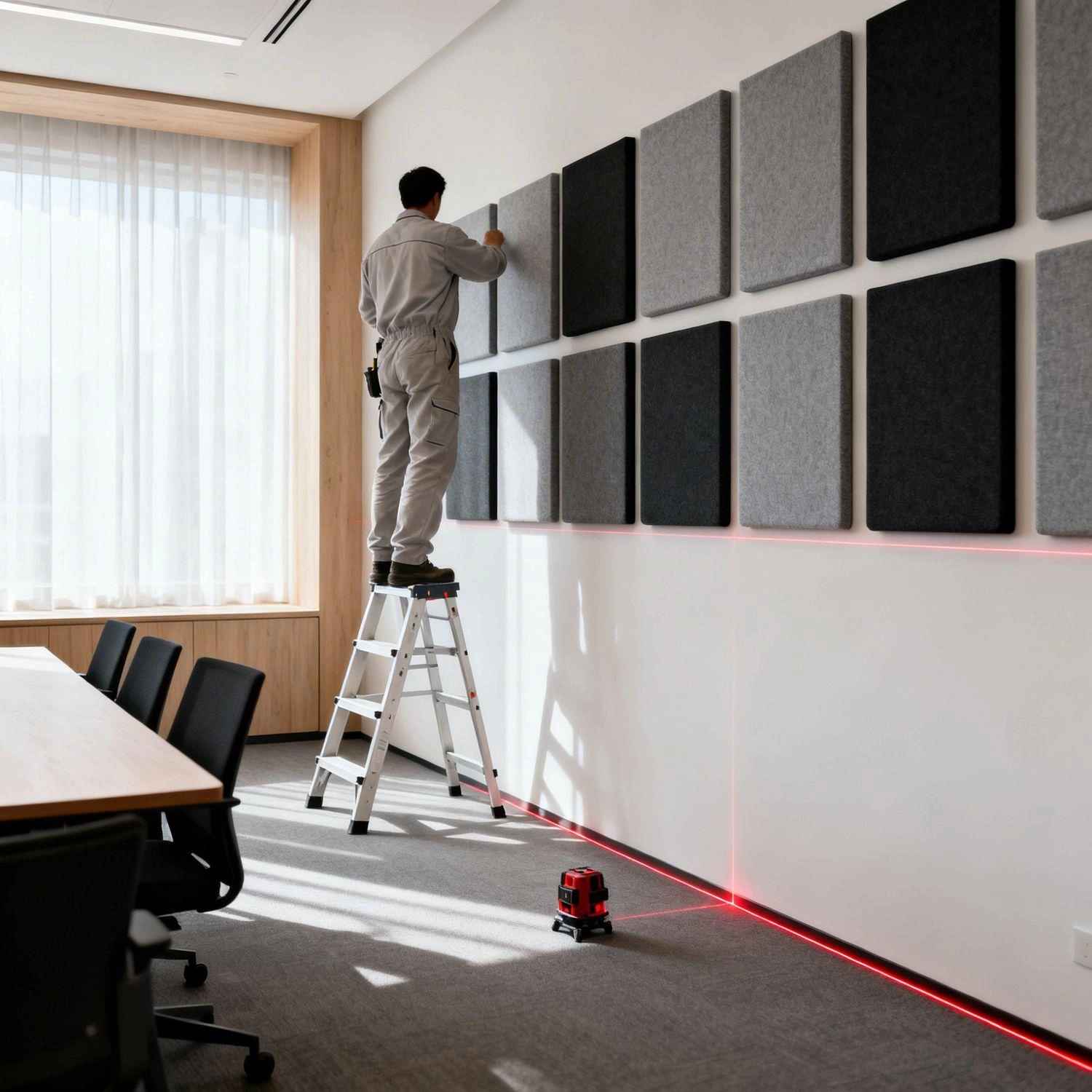
6. Installation Method and Labor Cost
Installation is often overlooked when calculating office acoustic panels price, but it can significantly impact total budget.
Installation Types:
DIY adhesive mounting (lowest cost)
Standard wall mounting (moderate cost)
Professional acoustic installation (higher cost)
Ceiling suspension systems (premium installation cost)
Complex installations such as:
require professional labor, increasing overall project cost.
7. Office Type and Acoustic Complexity
Different office environments require different acoustic strategies.
Simple Spaces:
Private offices
Small meeting rooms
Low noise environments
→ Lower cost, fewer panels needed
Complex Spaces:
Open-plan offices
Call centers
High-traffic workspaces
→ Higher cost due to:
The more complex the sound environment, the higher the overall investment.
8. Ceiling Acoustic Treatment Requirements
Many businesses only budget for wall panels but forget ceiling treatment.
However, ceilings are one of the biggest contributors to sound reflection in open offices.
Ceiling Solutions Include:
Ceiling treatment can sometimes account for 30%–50% of total acoustic project cost, depending on office size.
9. Brand, Manufacturer, and Supply Chain Factors
The source of your acoustic panels also affects pricing.
Price Differences Come From:
Direct manufacturers often provide more competitive pricing compared to retail or branded resellers.
Choosing a reliable supplier ensures better long-term value rather than just lower upfront cost.
10. Fire Rating and Safety Certifications
In commercial buildings, safety compliance is critical.
Panels with certifications such as:
tend to be more expensive due to stricter production requirements and testing processes.
However, these features are often mandatory in corporate office environments.
11. Bulk Orders vs Small Purchases
Quantity has a major impact on pricing.
Bulk Orders:
Small Orders:
Large office projects often benefit from significant savings when ordering in bulk.
12. Shipping and Logistics Costs
For international buyers, shipping can be a hidden cost factor.
Influencing Factors:
Large acoustic panels can be bulky, making logistics a meaningful part of the final office acoustic panels cost.
Average Office Acoustic Panels Price Range
While prices vary widely, here is a general global estimate:
Budget panels: $10–$30 per m²
Mid-range panels: $30–$70 per m²
Premium acoustic systems: $70–$150+ per m²
Total project cost depends heavily on coverage area and installation complexity.
How to Optimize Your Acoustic Budget
If you want to control costs without sacrificing performance, consider the following strategies:
1. Prioritize High-Impact Areas
Focus on:
First reflection points
Meeting rooms
High-noise zones
2. Mix Panel Types
Combine:
3. Choose Mid-Range NRC Panels
High-end panels are not always necessary for every office.
4. Plan Acoustic Layout in Advance
Avoid random installation and reduce wasted materials.
Final Thoughts
The office acoustic panels price is influenced by many interconnected factors, from material selection and acoustic performance to installation complexity and office design requirements.
Rather than focusing only on the lowest cost, businesses should evaluate overall value—balancing performance, durability, aesthetics, and long-term workplace benefits.
A well-planned acoustic investment not only improves sound quality but also enhances productivity, employee satisfaction, and overall office efficiency. In most cases, the right acoustic solution pays for itself through improved workplace performance and comfort.




 +86 18963687089

 en
en it
it es
es hu
hu ja
ja sv
sv pt
pt ms
ms ko
ko ru
ru fr
fr de
de ar
ar