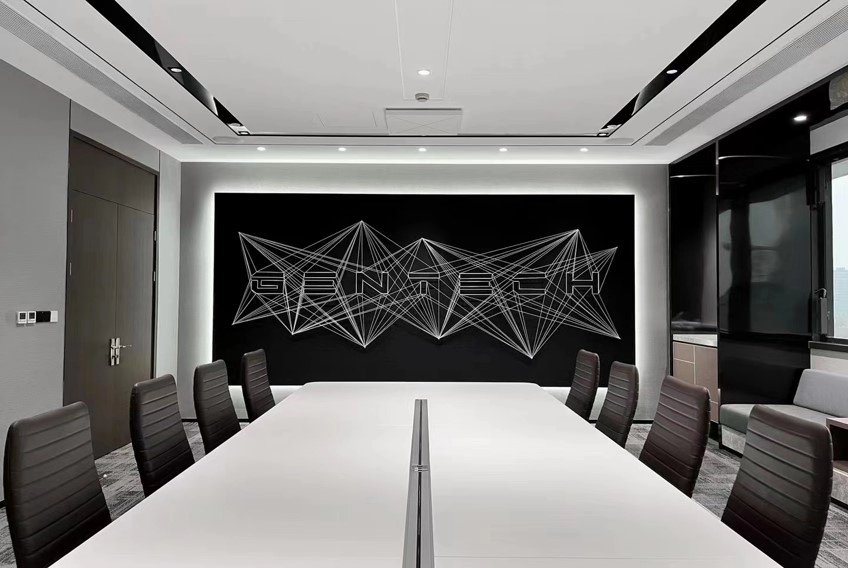
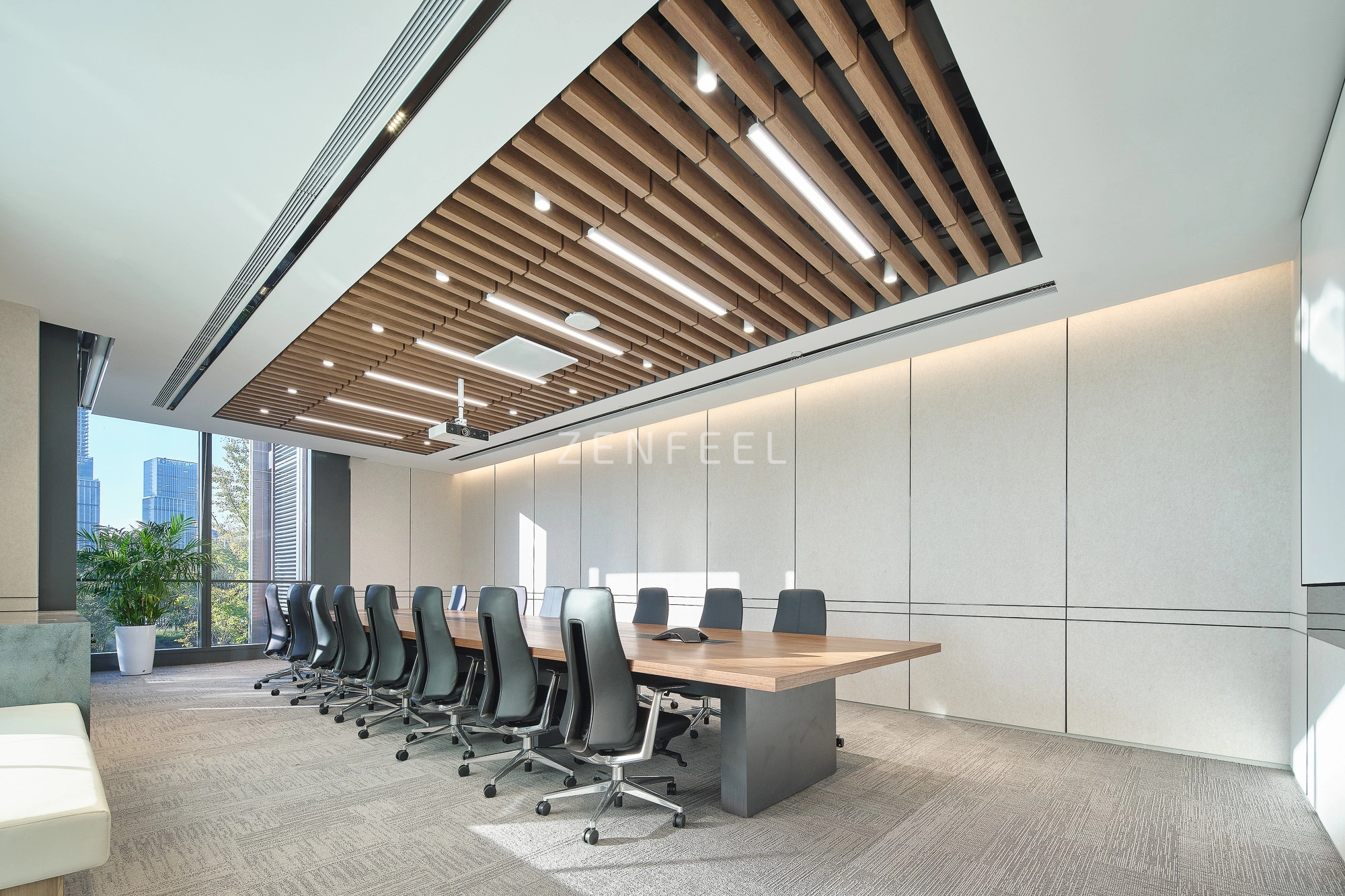
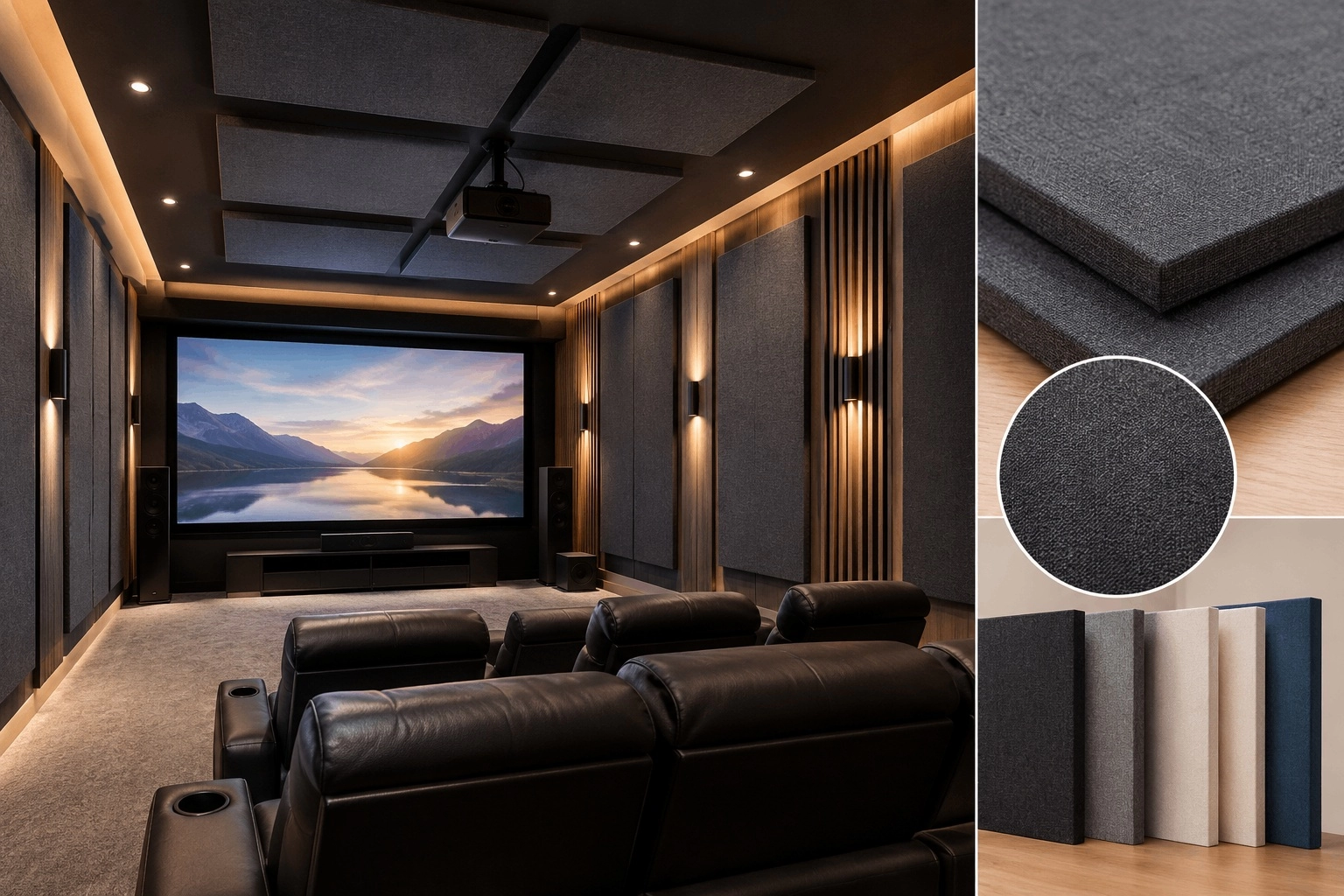
In today’s modern work environment, office acoustics play a crucial role in employee productivity, comfort, and overall well-being. Open-plan offices, while fostering collaboration, often come with the downside of excessive noise, which can lead to distractions, stress, and decreased efficiency. One of the most effective solutions to combat this challenge is the use of office acoustic panels. These panels not only reduce unwanted noise but also enhance the overall aesthetics of the workspace. However, choosing the right acoustic panels requires careful consideration of materials, design, installation methods, and office requirements. This article will guide you through the key factors to consider when selecting acoustic panels for your workspace.
Understanding Office Acoustic Panels
Office acoustic panels are specially designed products that absorb sound waves, reduce reverberation, and minimize echo within a room. Unlike traditional soundproofing solutions that block sound entirely, acoustic panels focus on controlling the quality of sound within the space. By absorbing excess noise, these panels create a more comfortable and productive environment for employees.
Acoustic panels are available in various materials, shapes, and sizes, each offering different levels of sound absorption. They can be mounted on walls, ceilings, or used as freestanding dividers. Beyond their functional benefits, modern acoustic panels can also serve as decorative elements, allowing businesses to combine sound management with interior design.
Key Benefits of Office Acoustic Panels
Before diving into selection criteria, it is essential to understand why investing in office acoustic panels is worthwhile:
Noise Reduction: Acoustic panels significantly reduce background noise, making conversations and phone calls clearer. This is especially important in open-plan offices and call centers.
Enhanced Focus: Excessive noise can lead to cognitive fatigue. By managing sound levels, employees can concentrate better and work more efficiently.
Improved Well-Being: Reduced noise stress has a direct impact on employee health, lowering anxiety and increasing overall satisfaction in the workplace.
Aesthetic Appeal: Acoustic panels come in various colors, patterns, and textures, allowing businesses to enhance the office design while improving acoustics.
Flexibility: Panels can be installed in multiple ways, including walls, ceilings, or as movable partitions, providing flexibility for workspace design.
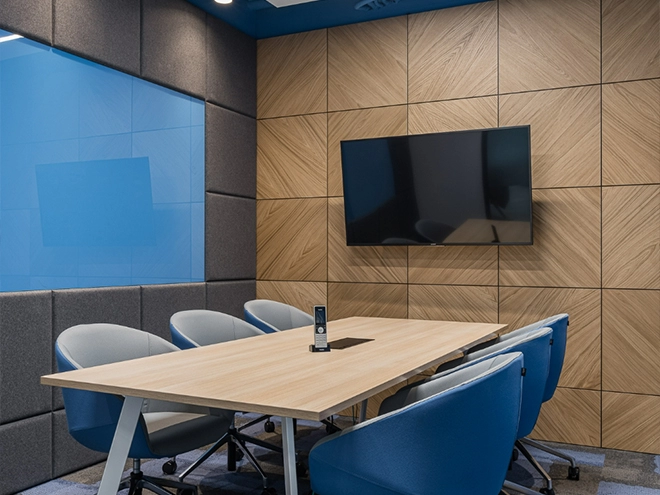
Factors to Consider When Choosing Acoustic Panels
Selecting the right office acoustic panels involves understanding both technical specifications and practical requirements. Here are the critical factors to consider:
1. Acoustic Performance
The primary function of acoustic panels is to absorb sound. When evaluating panels, look for the Noise Reduction Coefficient (NRC), a numerical rating that indicates the effectiveness of a panel in absorbing sound. NRC values range from 0 (no absorption) to 1 (total absorption). For general office spaces, panels with an NRC between 0.6 and 0.9 are typically recommended. Meeting rooms or areas with high noise levels may require panels with higher NRC ratings.
2. Material Selection
Acoustic panels are manufactured from a variety of materials, each offering unique advantages:
Fiberglass Panels: Highly effective at sound absorption, lightweight, and versatile. Fiberglass panels are suitable for walls and ceilings.
Foam Panels: Cost-effective and easy to install, foam panels are ideal for smaller offices or targeted noise reduction. However, they may be less durable over time.
Fabric-Wrapped Panels: Provide excellent acoustics while offering a more polished and decorative look. Fabric panels are available in different textures and colors to match office interiors.
Wooden Acoustic Panels: Offer a combination of sound absorption and aesthetic appeal, often used in executive offices or conference rooms.
Choosing the right material depends on your office’s acoustic needs, budget, and design preferences.
3. Design and Aesthetics
Acoustic panels are no longer purely functional; they can also enhance office design. Consider panels that complement your interior style, whether through vibrant colors, custom patterns, or innovative shapes. Some panels can even be printed with company logos or artistic designs, making them a focal point in the office. Balancing functionality with aesthetics ensures that the workspace remains professional and visually appealing.
4. Placement and Coverage
The effectiveness of acoustic panels largely depends on proper placement. Panels should be strategically positioned to absorb sound at critical reflection points, such as walls facing desks, ceilings above collaborative areas, and conference rooms. Freestanding panels can also be used to divide spaces and reduce noise spill between workstations. Coverage is equally important—larger areas may require multiple panels to achieve optimal sound reduction.
5. Installation Method
Acoustic panels can be installed in several ways, including wall mounting, ceiling suspension, or freestanding arrangements. Wall-mounted panels are ideal for reducing horizontal sound reflections, while ceiling panels control vertical sound transmission. Freestanding panels offer flexibility for open offices, allowing managers to create quiet zones or private spaces without major construction. The installation method should align with both the office layout and long-term maintenance considerations.
6. Sustainability and Maintenance
Modern offices increasingly prioritize sustainability. Many acoustic panels are made from recycled or eco-friendly materials, which can contribute to green building certifications. Maintenance is also a consideration—fabric-wrapped panels may require occasional cleaning, while foam panels should be checked for wear over time. Choosing durable, low-maintenance panels ensures a longer lifespan and consistent performance.
Types of Acoustic Panels for Different Office Spaces
Not all office environments have the same acoustic needs. Here’s a breakdown of panel types suitable for various areas:
Open-Plan Offices: Use a combination of wall-mounted and ceiling panels to reduce background noise and create semi-private zones.
Meeting Rooms and Conference Rooms: High-performance panels with higher NRC ratings help improve speech intelligibility and reduce echo during presentations.
Executive Offices: Fabric-wrapped or wooden panels enhance aesthetics while maintaining excellent acoustic control.
Call Centers: Freestanding panels or modular partitions can provide targeted sound absorption to minimize distractions and improve call quality.
Customization and OEM/ODM Options
For businesses looking for a unique office design, many acoustic panel suppliers offer customization services. Panels can be tailored in terms of size, shape, color, and even printed designs. Working with an OEM or ODM manufacturer allows companies to integrate acoustic solutions seamlessly into their office aesthetics while meeting specific acoustic requirements. Custom solutions are particularly valuable for large corporate offices, creative studios, and specialized work environments.
Conclusion
Choosing the right office acoustic panels requires a balance between functionality, aesthetics, and budget. By considering factors such as acoustic performance, material selection, design, placement, installation methods, and sustainability, businesses can create a workspace that not only looks professional but also promotes productivity and well-being. Whether you are designing a new office or upgrading an existing one, investing in quality acoustic panels is a practical step toward a quieter, more comfortable, and efficient work environment.
Acoustic solutions are no longer optional—they are essential for modern office design. By carefully selecting and installing the right office acoustic panels, organizations can ensure their employees work in a focused, stress-free environment while maintaining a visually appealing office space.




 +86 18963687089

 en
en it
it es
es hu
hu ja
ja sv
sv pt
pt ms
ms ko
ko ru
ru fr
fr de
de ar
ar