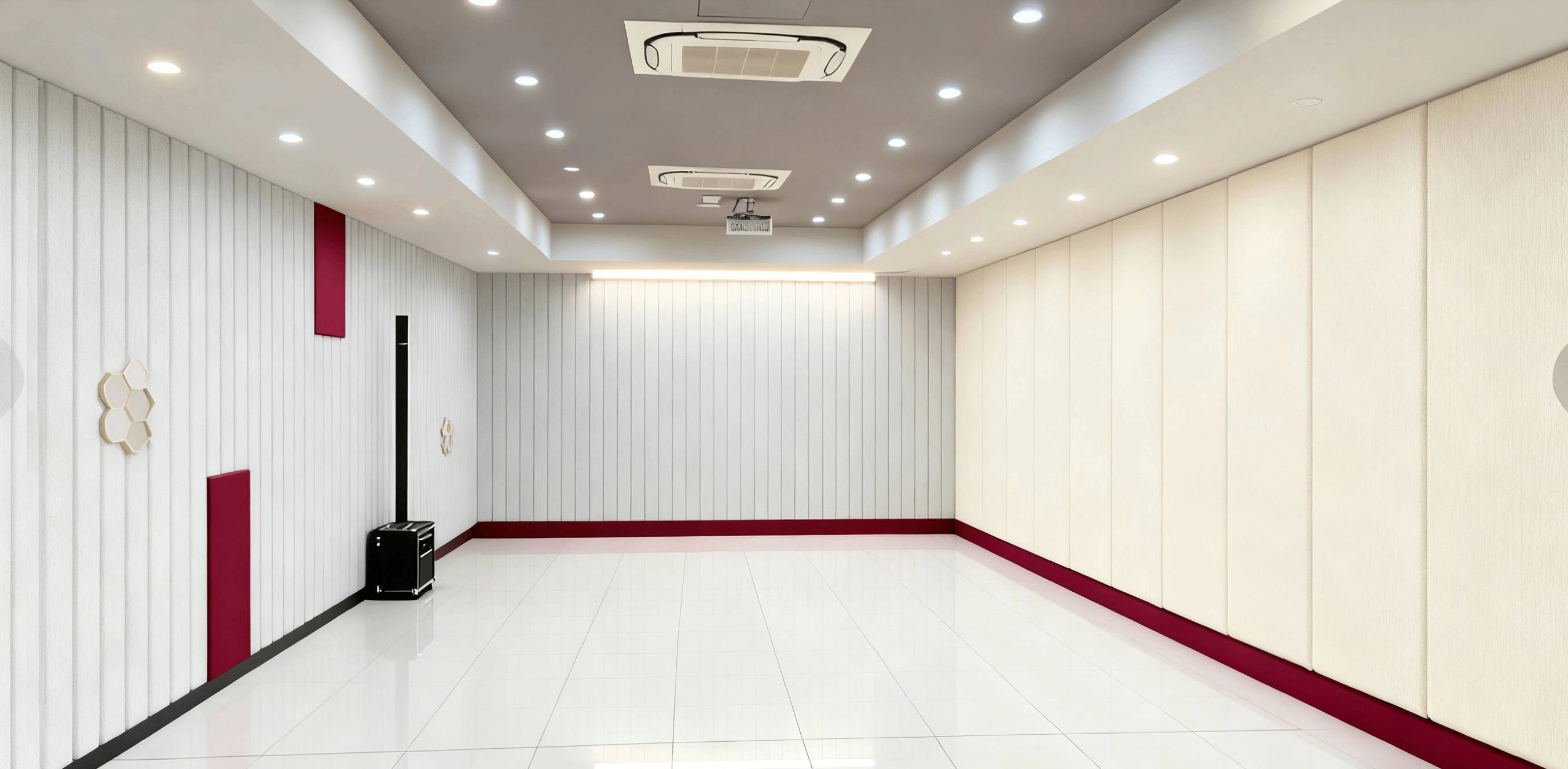
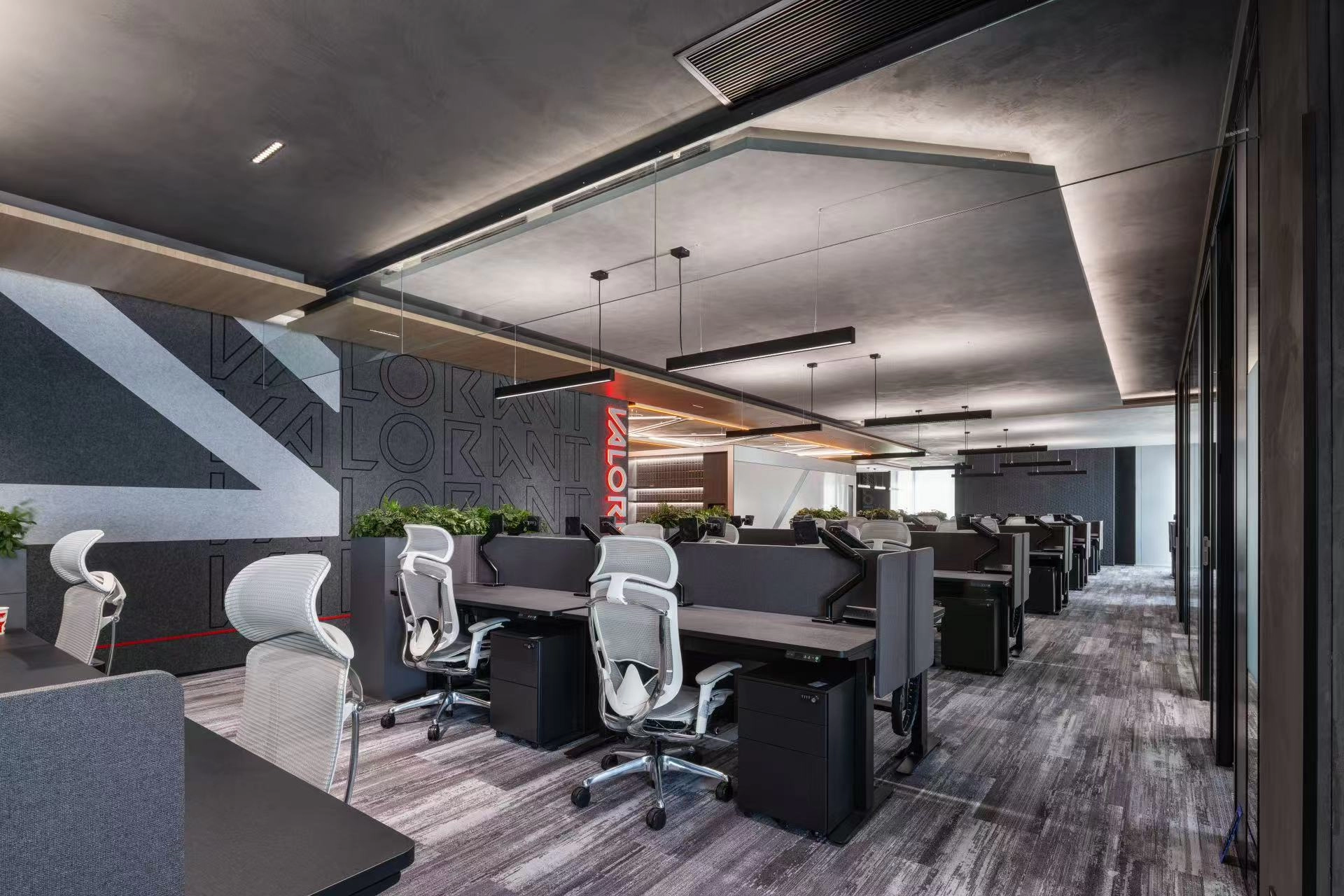
Creating a professional recording environment is more than just having high-end microphones, mixers, and audio interfaces. The quality of your recordings depends heavily on your room’s acoustics. Even the best equipment cannot fully compensate for poor sound treatment. That’s why choosing the right studio acoustic panels is a crucial step in achieving clear, balanced, and professional audio.
Acoustic panels help control reflections, absorb unwanted reverb, reduce standing waves, and create a space where both recording and monitoring are accurate. This guide explores how to select the most suitable studio acoustic panels for your recording space, taking into account room size, materials, placement, and acoustic goals.
1. Understanding Room Acoustics
Before selecting panels, you need a basic understanding of room acoustics. Every room has unique characteristics that affect sound:
1.1 Reflection and Echo
Sound waves bounce off walls, ceilings, and floors. These reflections can interfere with direct sound, creating echo and flutter echo. Echo causes recordings to sound harsh, while flutter echo produces rapid, unnatural reverberations.
1.2 Reverberation
Reverberation occurs when sound continues to bounce in the room after the source stops. Excessive reverb can muddy recordings and make mixing difficult.
1.3 Standing Waves
Low-frequency sound waves can combine and cancel each other, creating spots in the room with too much or too little bass. These inconsistencies make monitoring and mixing challenging.
Understanding these acoustic problems helps you choose panels that target the issues specific to your recording space.
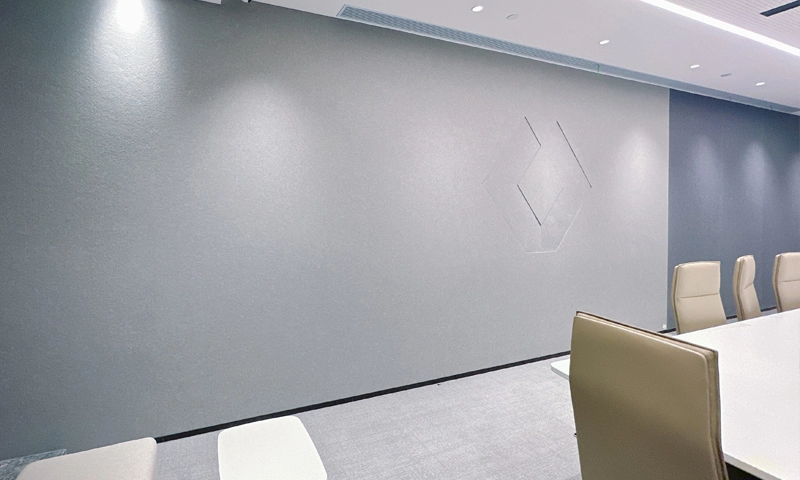
2. Types of Studio Acoustic Panels
Different types of panels address different acoustic challenges. Choosing the right type depends on the problems you need to solve.
2.1 Absorption Panels
Absorption panels are made of porous materials such as fiberglass, mineral wool, or acoustic foam. They work by capturing sound energy and converting it into heat, reducing reflections and reverb.
Best for: Reducing mid- and high-frequency reflections, improving clarity for vocals and instruments.
Placement: First reflection points on walls and ceilings, as well as behind monitors.
2.2 Bass Traps
Bass traps are denser panels designed to absorb low-frequency energy, often placed in corners where bass accumulates.
Best for: Controlling room modes and standing waves, balancing low-end frequencies.
Placement: Corners of the room, wall-to-wall junctions, and ceiling-to-wall junctions.
2.3 Diffusers
Diffusers scatter sound waves instead of absorbing them. They prevent harsh reflections while maintaining a natural sense of space.
Best for: Avoiding overly “dead” sound and keeping a room lively.
Placement: Rear walls, ceilings, or other strategic points to spread sound evenly.
2.4 Combination Panels
Some panels integrate absorption and diffusion to provide balanced acoustic treatment. These are ideal for multi-purpose rooms, home studios, or professional facilities.
3. Material Selection
The material of an acoustic panel affects its performance, durability, and aesthetics.
3.1 Acoustic Foam
Foam panels are lightweight and affordable. They work well for mid- and high-frequency absorption but are less effective for low frequencies.
3.2 Fiberglass or Mineral Wool
These materials are denser, providing superior absorption across a wider frequency range. Fiberglass panels are common in professional studios for precise control.
3.3 Polyester Panels
Eco-friendly and aesthetically versatile, polyester panels offer moderate absorption and are suitable for home studios and office spaces.
3.4 Wood and Fabric Wrapped Panels
These panels combine acoustic performance with design appeal, allowing studios to maintain a professional and stylish appearance.
4. Determining Panel Thickness and NRC Rating
4.1 Thickness
Panel thickness determines the frequency range it absorbs.
1–2 inches: Effective for mid and high frequencies
3–6 inches: Better for low-frequency absorption, especially when used as bass traps
4.2 NRC (Noise Reduction Coefficient)
NRC indicates how much sound a panel absorbs. A rating of 0 means no absorption, while 1 means total absorption. For professional recording:
5. Planning Panel Placement
Even the best panels will underperform if placed incorrectly. Correct placement ensures optimal sound control.
5.1 Identify First Reflection Points
Use a mirror to locate points on walls where sound from your speakers first hits. Place absorption panels at these locations to reduce echo.
5.2 Treat Corners
Install bass traps in corners to absorb low frequencies and prevent boomy spots.
5.3 Ceiling and Rear Wall Treatment
Ceiling panels reduce vertical reflections. Rear wall panels prevent sound from bouncing back toward the listening position, improving clarity.
5.4 Maintain Balanced Coverage
Avoid covering every surface. Target key reflection points, corners, and ceiling areas for maximum efficiency.
6. Aesthetic Considerations
Studio acoustic panels can also enhance the visual appeal of your recording space. Modern panels come in a variety of colors, shapes, and designs, allowing you to:
Create a professional, polished look
Match the studio’s brand or personal style
Integrate panels into walls, ceilings, or free-standing designs without cluttering the space
A well-designed studio is not only acoustically effective but also inspiring for creativity.
7. Budget and ROI Considerations
Acoustic panels can range from affordable foam sheets to high-end fiberglass panels. Consider the following:
Home studio or podcast room: Mid-range foam or polyester panels are sufficient
Professional studio or commercial setup: Invest in high-quality fiberglass or combination panels for precise control
Long-term ROI: Proper acoustic treatment enhances the value of your studio and improves recording quality, often reducing time spent on post-production.
8. Common Mistakes to Avoid
8.1 Over-Treating the Room
Too many panels can make a space sound dead and unnatural. Balance absorption and diffusion.
8.2 Ignoring Low Frequencies
Neglecting bass traps leads to uneven low-end response, affecting mix accuracy.
8.3 Poor Placement
Panels placed randomly will not address critical reflection points, rendering treatment ineffective.
8.4 Choosing Based on Appearance Alone
Aesthetic panels may look good but can underperform acoustically. Always consider material, NRC rating, and thickness.
9. Final Tips for Choosing the Right Panels
Assess your room – Identify acoustic problems like echo, reverb, and uneven bass.
Determine your goals – Are you recording vocals, instruments, or podcasts? This affects panel type and placement.
Mix panel types – Use a combination of absorption, diffusion, and bass traps.
Check material and NRC – Select materials that match your budget and performance needs.
Plan placement strategically – Focus on first reflection points, corners, ceiling, and rear wall.
Consider aesthetics – Make the space both functional and visually appealing.
By following these principles, you can create a recording space that delivers professional-quality sound and a comfortable, inspiring environment.
Conclusion
Choosing the right studio acoustic panels is a critical step in building an effective recording environment. The proper selection, material, thickness, NRC rating, and placement transform a regular room into a space that captures true sound with clarity, precision, and balance.
Whether you are setting up a home studio, podcast room, or professional recording facility, investing in high-quality acoustic panels ensures your recordings sound professional, consistent, and enjoyable. A well-treated studio not only improves sound quality but also boosts creativity, productivity, and confidence in every recording session.
ROYDAA, as a professional provider of high-quality studio acoustic panels, offers a wide range of solutions to optimize your recording space. From absorption panels and bass traps to diffusers and combination panels, ROYDAA ensures precise acoustic treatment for home studios, podcast rooms, and professional recording facilities. With expertise in material selection, NRC ratings, and strategic panel placement, ROYDAA helps clients achieve clear, balanced, and professional sound while maintaining an aesthetically pleasing studio environment.




 +86 18963687089

 en
en it
it es
es hu
hu ja
ja sv
sv pt
pt ms
ms ko
ko ru
ru fr
fr de
de ar
ar