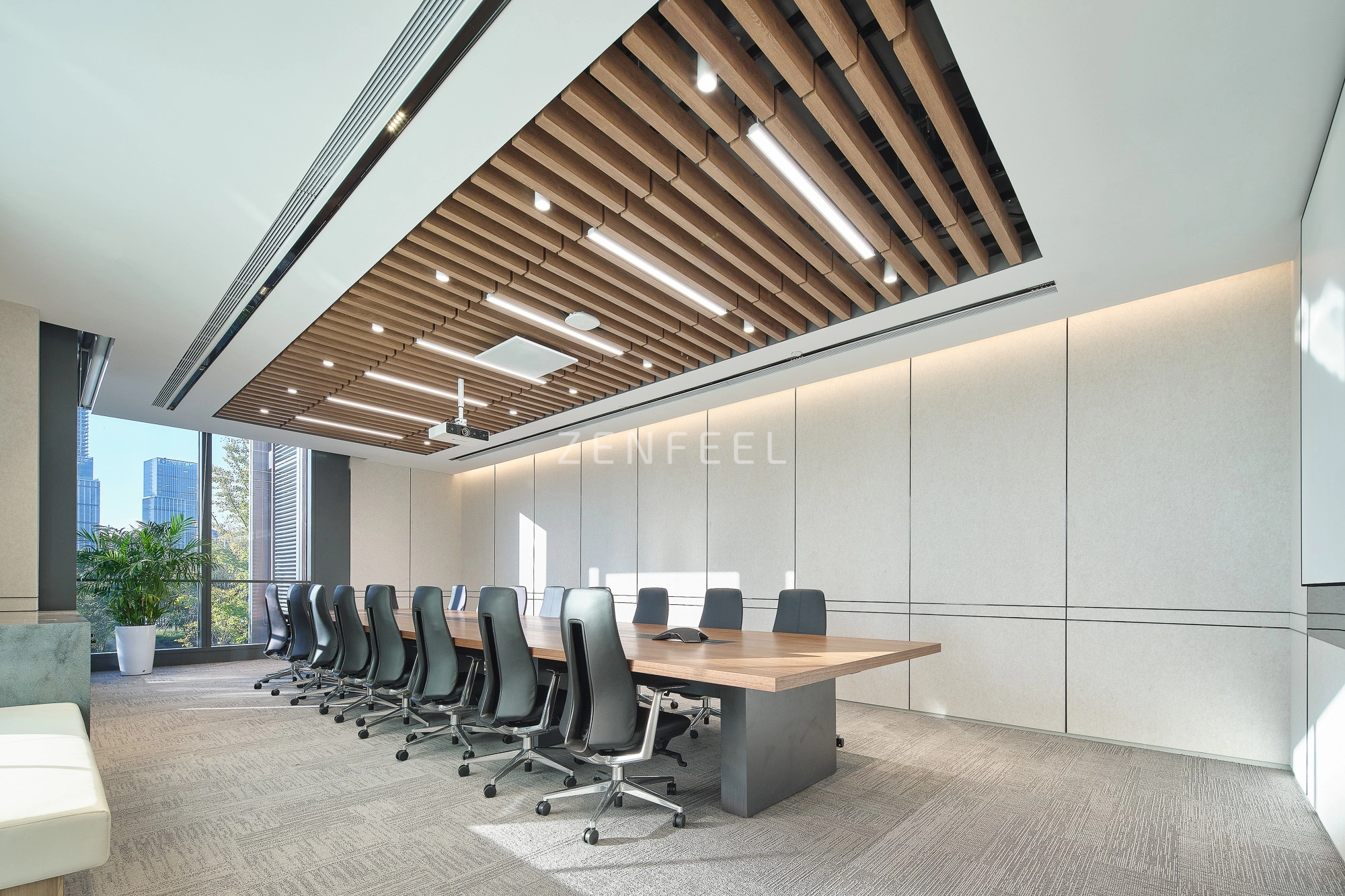
Noise is one of the most underestimated productivity killers in modern workplaces. Whether it is open-plan offices, hybrid workspaces, or shared coworking environments, employees are constantly exposed to conversations, keyboard typing, phone calls, HVAC systems, and external street noise. As a result, many companies are turning to acoustic treatment solutions—especially office acoustic panels—to improve comfort and focus.
But a common question remains: Do office acoustic panels really reduce noise, or are they just decorative elements marketed as sound solutions?
The answer is more nuanced than a simple yes or no. In this article, we will break down how acoustic panels work, what type of noise they reduce, their real-world effectiveness, and how to use them correctly for maximum performance.
Understanding Office Noise: What Are We Trying to Solve?
Before evaluating acoustic panels, it is important to understand that “noise” in an office is not a single problem. It typically falls into three categories:
1. Airborne Noise
This includes sound that travels through the air, such as:
Conversations
Phone calls
Video meetings
Background chatter
This is the primary type of noise that acoustic panels are designed to address.
2. Impact Noise
This includes physical vibrations such as:
Footsteps
Chair movement
Desk bumps
Acoustic panels have limited impact on this type of noise unless combined with flooring or structural treatments.
3. Structural Noise
This includes:
This type requires engineering-level solutions rather than surface treatments.
Understanding these distinctions helps clarify what acoustic panels can realistically achieve.
How Office Acoustic Panels Actually Work
Acoustic panels do not “block” sound like a wall. Instead, they absorb sound energy.
When sound waves hit a hard surface like glass, concrete, or metal, they bounce back into the room, creating echoes and reverberation. Acoustic panels reduce this reflection by converting sound energy into a small amount of heat through friction inside porous materials.
Most panels are made from:
The Key Mechanism: Reducing Reverberation Time
Reverberation time (RT60) is the time it takes for sound to decay by 60 decibels after the source stops. In untreated offices, this can be too long, making speech unclear and increasing perceived noise levels.
Acoustic panels reduce RT60 by absorbing mid and high-frequency sound waves, which are responsible for speech clarity and distraction.
Do Acoustic Panels Really Reduce Noise?
Yes—but with an important clarification.
They reduce perceived noise, not eliminate sound
Acoustic panels do not stop sound from entering or leaving a room. Instead, they:
This leads to a workplace that feels quieter, even if actual decibel levels do not dramatically drop.
Example:
In an untreated meeting room, multiple people speaking can create overlapping reflections, making speech unintelligible.
After installing acoustic panels:
Voices become clearer
Background echo is reduced
People no longer need to raise their voices
Overall stress levels decrease
So while decibel reduction may be modest, the improvement in acoustic comfort is significant.
Where Office Acoustic Panels Work Best
Acoustic panels are most effective in spaces where sound reflection is the main issue.
1. Open-Plan Offices
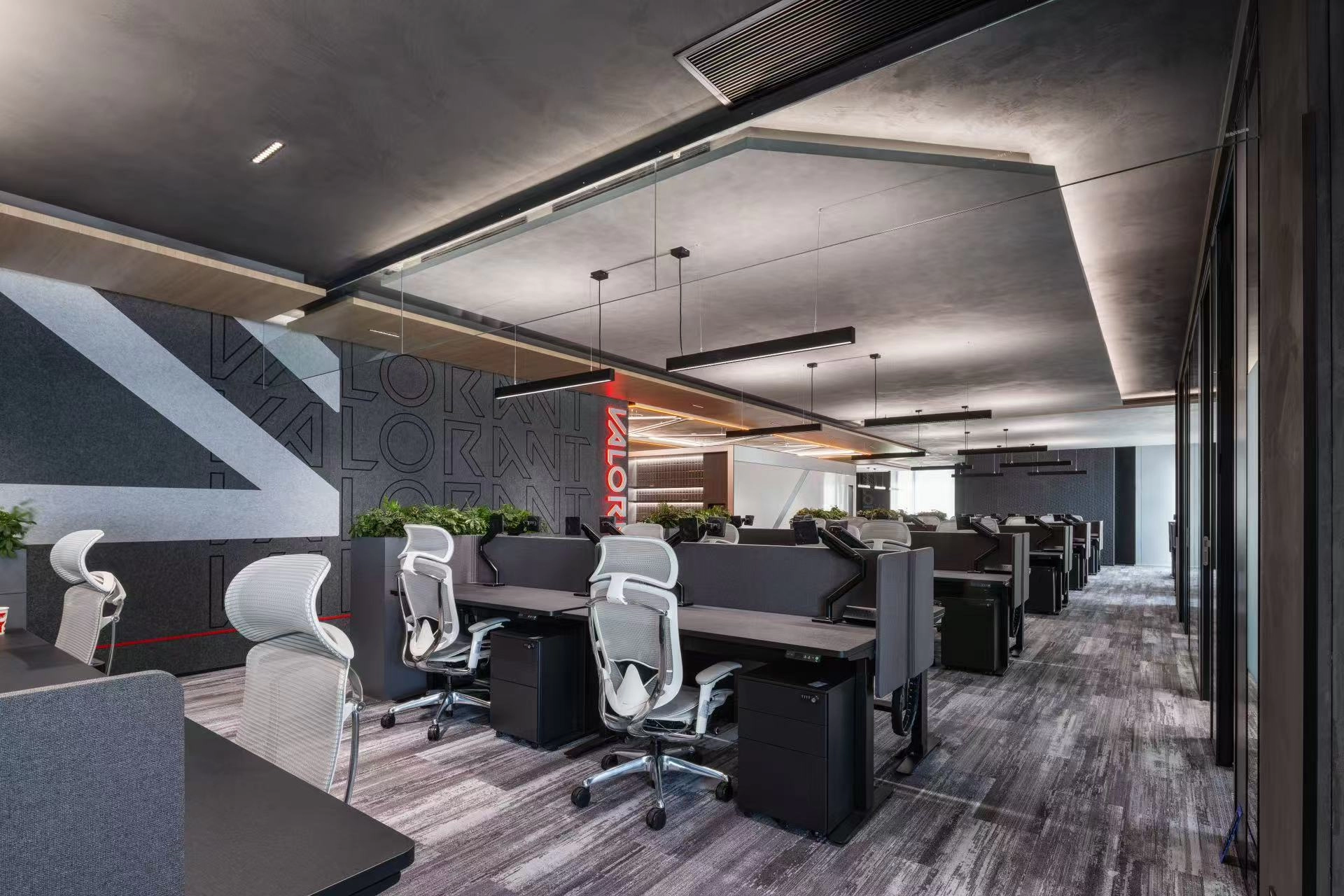
These environments suffer from constant speech overlap. Panels help by:
2. Meeting Rooms
Conference spaces often have hard surfaces that create echo. Proper treatment ensures clear communication.
3. Call Centers
Clear speech is essential. Acoustic treatment reduces fatigue for both employees and customers.
4. Coworking Spaces
Panels help create acoustic boundaries without physical walls.
In particular, office acoustic panels for conference rooms are highly effective because they directly address speech clarity, which is critical in meetings and presentations.
What Acoustic Panels Cannot Do
It is equally important to understand limitations to avoid unrealistic expectations.
1. They do not block sound transmission
If someone is speaking loudly in the next room, panels will not stop it from being heard.
2. They do not solve low-frequency noise well
Bass-heavy sounds like machinery or deep vibrations are difficult to absorb.
3. They are not a substitute for architectural design
Proper office layout, partitions, and insulation still matter.
Factors That Affect Performance
Not all acoustic panels perform the same. Their effectiveness depends on several factors:
1. Material Density
Higher-density materials absorb more sound, especially in mid-frequency ranges.
2. Thickness
Thicker panels absorb lower frequencies better.
3. Placement
Incorrect placement reduces effectiveness significantly.
Key placement areas include:
4. Coverage Area
More coverage equals better results. Partial installation may lead to uneven acoustics.
The Science Behind Perceived Quietness
One of the most interesting aspects of acoustic treatment is that human perception of noise is not linear.
Even a small reduction in echo can make a space feel dramatically quieter because:
This is why employees often report “it feels quieter” even when sound meters show only minor reductions in decibels.
Acoustic Panels vs Soundproofing: A Common Confusion
Many people confuse acoustic treatment with soundproofing, but they are fundamentally different.
| Feature | Acoustic Panels | Soundproofing |
|---|
| Purpose | Improve sound quality | Block sound transmission |
| Effect | Reduce echo | Prevent noise leakage |
| Material | Absorptive | Dense & sealed |
| Application | Interior comfort | Structural isolation |
Acoustic panels improve how a room sounds. Soundproofing prevents sound from entering or leaving.
Both may be needed depending on office requirements.
Design and Aesthetics Matter Too
Modern acoustic panels are no longer purely functional. They are also part of interior design.
Many companies now use:
High-end workplaces often combine aesthetics with functionality using high-quality office acoustic panels, which provide both sound absorption and visual appeal.
This dual function makes them especially popular in modern corporate environments.
Real-World Results: What Companies Experience
Companies that install acoustic panels often report:
30–50% improvement in speech clarity
Reduced employee fatigue
Better meeting efficiency
Lower need for repeated communication
Improved concentration in open offices
However, results vary depending on installation quality and coverage level.
Best Practices for Maximum Effectiveness
To get the most out of acoustic panels, consider the following strategies:
1. Conduct an acoustic assessment
Identify reflection points before installation.
2. Combine ceiling and wall treatments
A mixed approach works better than single-surface treatment.
3. Focus on high-traffic areas
Prioritize meeting rooms, collaboration zones, and open desks.
4. Avoid over-cluttering
Too many panels can make spaces feel visually heavy without improving performance proportionally.
5. Pair with soft furnishings
Carpets, curtains, and furniture also contribute to sound absorption.
Conclusion: Are Office Acoustic Panels Worth It?
Yes—office acoustic panels are highly effective at improving workplace acoustics, but their role is often misunderstood. They do not eliminate noise entirely, nor do they function as soundproof barriers. Instead, they enhance sound quality by reducing echo, improving speech clarity, and creating a more comfortable auditory environment.
When used correctly, they can transform a noisy, distracting office into a more focused and productive space. Their impact is especially strong in open-plan environments and meeting areas where communication clarity is essential.
In the end, the real value of acoustic panels is not in making silence—but in making sound work better for people.




 +86 18963687089

 en
en it
it es
es hu
hu ja
ja sv
sv pt
pt ms
ms ko
ko ru
ru fr
fr de
de ar
ar