In today’s fast-paced office environments, the importance of creating a comfortable and productive workspace cannot be overstated. One of the critical factors that often gets overlooked is acoustic management. Noise distractions can significantly impact employee productivity, focus, and overall well-being. This is where custom office acoustic panels come into play. Unlike standard panels, custom solutions allow businesses to address specific acoustic challenges while complementing the office design. In this article, we will explore the advantages of custom acoustic panels, the factors to consider when designing them, and practical tips for implementation.
Why Office Acoustics Matter
Before diving into custom solutions, it is important to understand why office acoustics are critical. Open-plan offices have become the standard in many industries due to their collaborative benefits and cost efficiency. However, these environments often suffer from excessive noise, including:
Research shows that uncontrolled office noise can lead to decreased concentration, higher stress levels, and lower job satisfaction. For example, employees in noisy offices can lose up to 66% of their productivity due to distractions. Beyond productivity, poor acoustic conditions can impact employee health, leading to headaches, fatigue, and increased stress.
Installing office acoustic panels is a proactive solution to manage noise, enhance privacy, and create a more comfortable workspace. But while standard panels are helpful, they may not address specific office challenges, which is where custom solutions shine.
What Are Custom Office Acoustic Panels?
Custom office acoustic panels are tailor-made sound-absorbing panels designed to fit the unique acoustic needs and aesthetics of a workspace. Unlike off-the-shelf panels, which come in standard sizes, materials, and colors, custom panels can be:
Sized to fit irregular walls or ceilings
Shaped for design or functional purposes
Customized with materials for specific acoustic performance
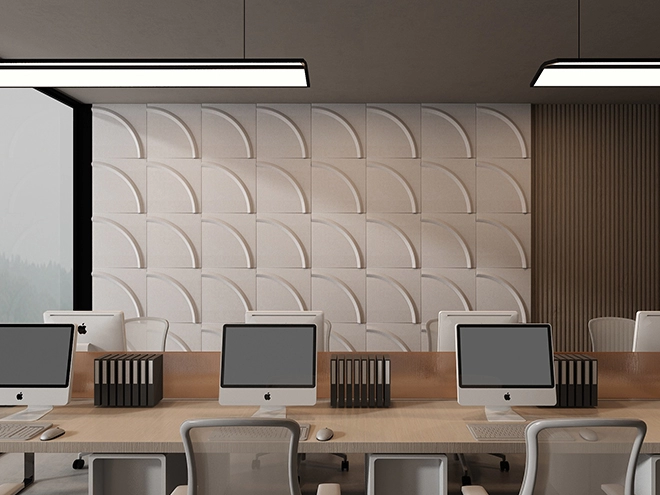
Printed or upholstered to match office branding or décor
These panels can be installed in a variety of office areas, including conference rooms, open workspaces, private offices, call centers, and creative studios. By tailoring panels to the specific acoustic profile of a space, businesses can significantly improve sound quality and employee comfort.
Benefits of Custom Acoustic Panels
Optimized Sound Absorption
Standard panels may not absorb sound effectively in every setting. Custom panels can be designed using the Noise Reduction Coefficient (NRC) rating that suits the office’s acoustic needs. For example, a call center may require high NRC panels to reduce chatter, while a conference room may need moderate absorption to maintain natural speech clarity.
Enhanced Privacy
In open-plan offices, sensitive conversations often lack privacy. Custom acoustic panels help contain sound, making private discussions less audible to nearby coworkers. This is particularly important for offices handling confidential information.
Improved Employee Productivity and Comfort
By reducing distractions and noise levels, employees can focus better and feel less stressed. Custom panels contribute to a quieter, more serene workspace, boosting morale and satisfaction.
Aesthetic Integration
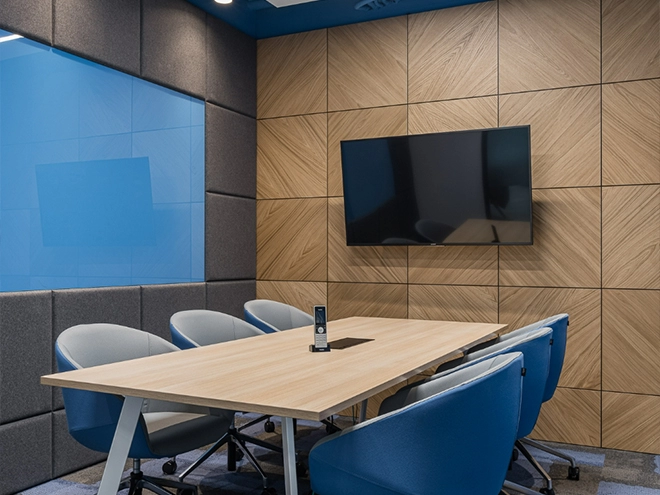
Custom panels are not only functional but also visually appealing. They can be tailored to match office décor, corporate branding, or interior design themes. Some companies even create panels with graphic prints, logos, or artwork, combining functionality with creativity.
Flexibility in Placement
Custom panels can be designed to fit unusual spaces or architectural features, including angled ceilings, glass walls, or curved partitions. This ensures that acoustic solutions do not interfere with office design or layout.
Key Factors When Designing Custom Acoustic Panels
When planning custom office acoustic panels, several key factors must be considered to achieve optimal results.
1. Room Size and Layout
The size and layout of a room greatly affect acoustic performance. Larger spaces may require more or thicker panels to absorb sound adequately. Additionally, ceiling height, floor materials, and wall finishes influence how sound behaves in the room.
2. Material Selection
Materials play a crucial role in sound absorption. Common materials for acoustic panels include:
Fiberglass: Highly effective for mid-to-high-frequency sound absorption.
Foam: Lightweight, affordable, and easy to install, but less durable.
Fabric-Wrapped Panels: Offer both sound absorption and aesthetic appeal.
Wood or Perforated Metal: Often combined with acoustic cores for high-end office designs.
Each material has its own NRC rating, durability, and visual impact, which should be aligned with office requirements.
3. Panel Thickness and Density
The thickness of an acoustic panel determines the frequencies it can absorb. Thicker panels are more effective for low-frequency sounds, while thinner panels handle higher frequencies. Similarly, panel density affects durability and acoustic performance.
4. Placement Strategy
Proper placement is crucial for effective sound absorption. Acoustic engineers often recommend installing panels at:
Primary reflection points: Walls and ceilings where sound first bounces.
Around workstations or desks: To reduce background noise for employees.
Conference rooms and meeting spaces: To enhance speech clarity.
Custom designs allow panels to fit specific locations perfectly, maximizing their effectiveness.
5. Aesthetic Considerations
Office design is no longer just functional—it’s also a branding tool. Custom panels can match color schemes, textures, or corporate logos. Some companies even use panels as art installations, enhancing visual appeal while controlling noise.
Types of Custom Office Acoustic Panels
Wall-Mounted Panels
These panels are installed on walls to absorb sound directly where it is generated. They are ideal for open offices and private rooms.
Ceiling Baffles and Clouds
Suspended panels reduce echo and improve acoustics in rooms with high ceilings. They are especially effective in large open-plan offices.
Partition Panels
Partition-mounted acoustic panels provide both visual and acoustic separation. They are useful in cubicles or collaborative spaces.
Free-Standing Panels
Mobile acoustic panels can be moved as needed, offering flexibility for dynamic office layouts.
Custom Printed Panels
These panels combine art and function, often featuring company branding, motivational quotes, or creative graphics.
Installation Tips for Custom Acoustic Panels
While many custom panels are straightforward to install, proper placement and method can significantly impact performance:
Professional Acoustic Assessment:
A professional can measure room acoustics and recommend optimal panel types and placements.
Even Distribution:
Panels should be distributed evenly across walls or ceilings to avoid “dead spots” or uneven absorption.
Avoid Blocking Ventilation:
Ensure panels do not obstruct HVAC vents or fire safety equipment.
Regular Maintenance:
Clean fabric or surface panels periodically to maintain appearance and functionality.
Case Studies: Success Stories with Custom Panels
Tech Startup Office:
A tech company transformed its open-plan office with custom ceiling clouds and wall panels. Employee satisfaction increased by 35%, and internal surveys showed a noticeable reduction in complaints about noise.
Corporate Call Center:
By installing high-NRC partition panels, a call center reduced background chatter, leading to improved call quality and higher client satisfaction.
Creative Studio:
A design agency used custom printed panels with vibrant graphics to create a stimulating environment while effectively controlling reverberation and echo.
Future Trends in Custom Office Acoustic Panels
As workplaces evolve, so do acoustic solutions. Key trends include:
Smart Acoustic Panels: Panels with embedded sensors that measure noise levels and adjust absorption dynamically.
Sustainable Materials: Panels made from recycled fabrics, natural fibers, or biodegradable cores.
Biophilic Design Integration: Combining acoustic panels with greenery or natural textures to enhance both aesthetics and well-being.
Modular Systems: Easily adjustable panels that adapt to changing office layouts.
These innovations make custom acoustic panels not only effective but also forward-thinking solutions for modern offices.
Conclusion
Custom office acoustic panels are a strategic investment for businesses seeking to improve employee productivity, comfort, and overall office aesthetics. Unlike standard solutions, custom panels can be tailored to the unique acoustic challenges and design preferences of any workspace. From material selection and NRC ratings to placement strategies and aesthetic integration, every detail can be optimized for maximum impact.
By understanding the importance of office acoustics and implementing custom-tailored solutions, companies can create environments where employees feel focused, comfortable, and inspired. Whether it’s reducing noise in a bustling open office, enhancing speech clarity in meeting rooms, or adding a touch of visual creativity, custom acoustic panels deliver measurable benefits for both people and business performance.
Investing in custom office acoustic panels is no longer just about noise control—it’s about creating a workspace that supports well-being, productivity, and company culture.




 +86 18963687089

 en
en it
it es
es hu
hu ja
ja sv
sv pt
pt ms
ms ko
ko ru
ru fr
fr de
de ar
ar