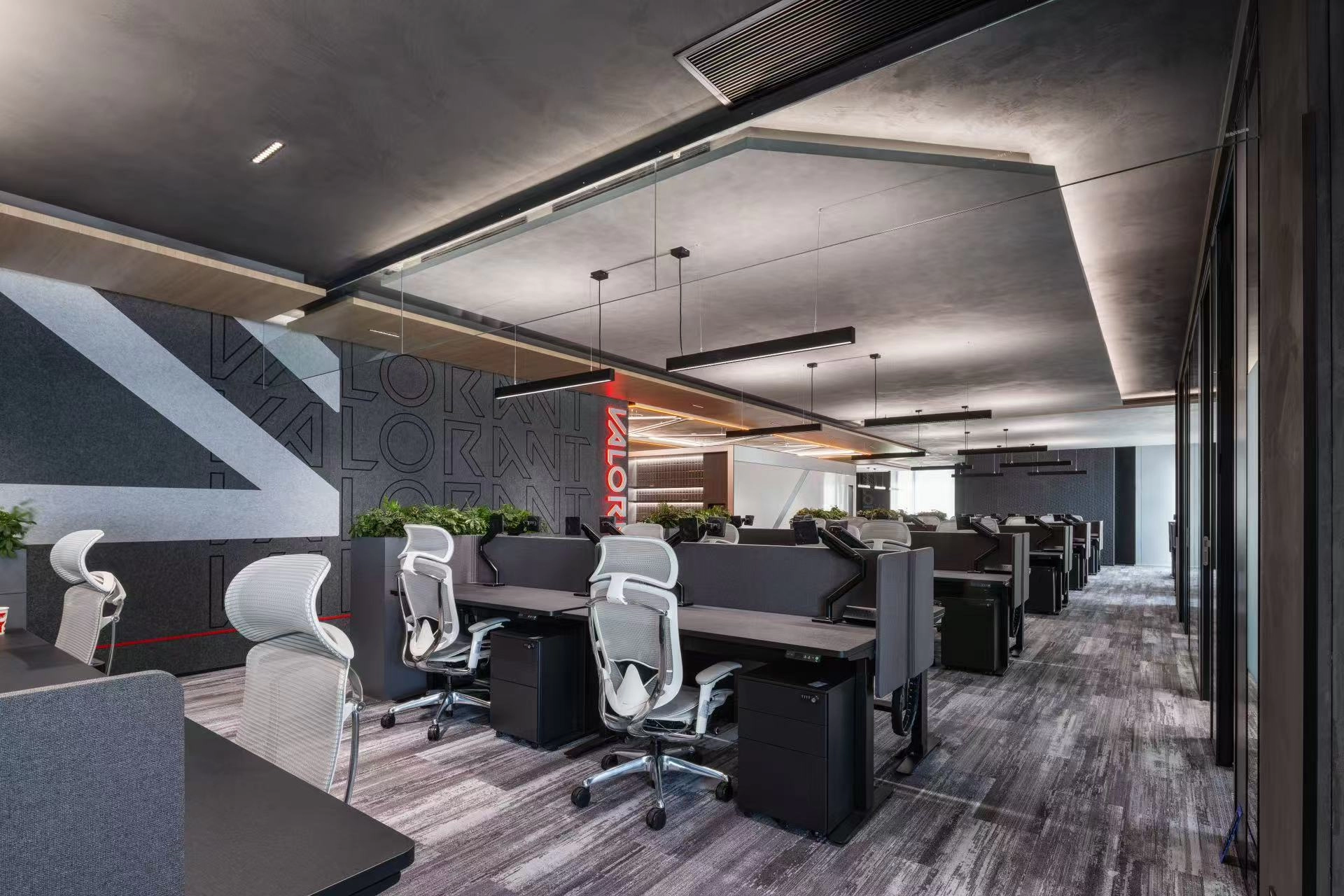
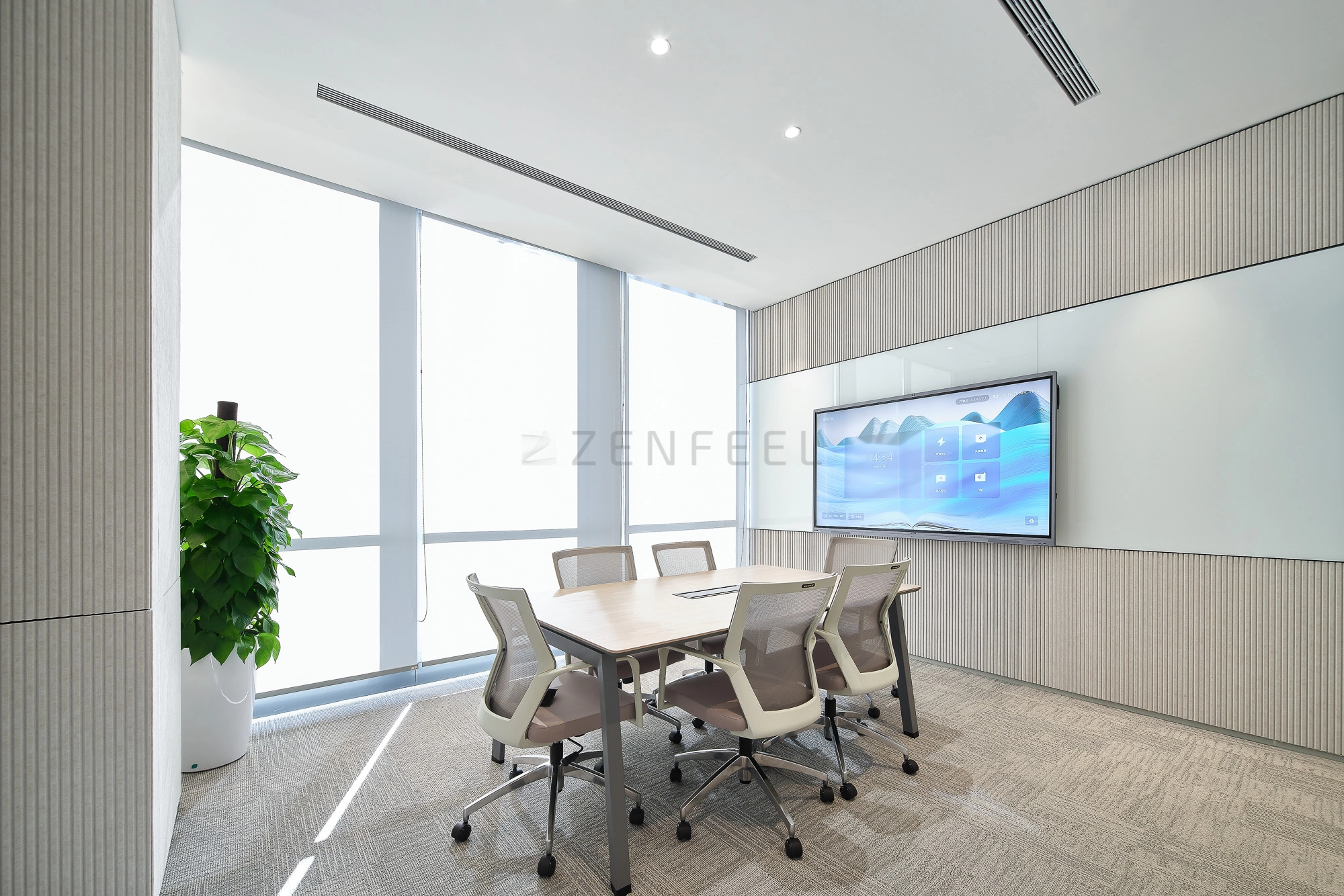
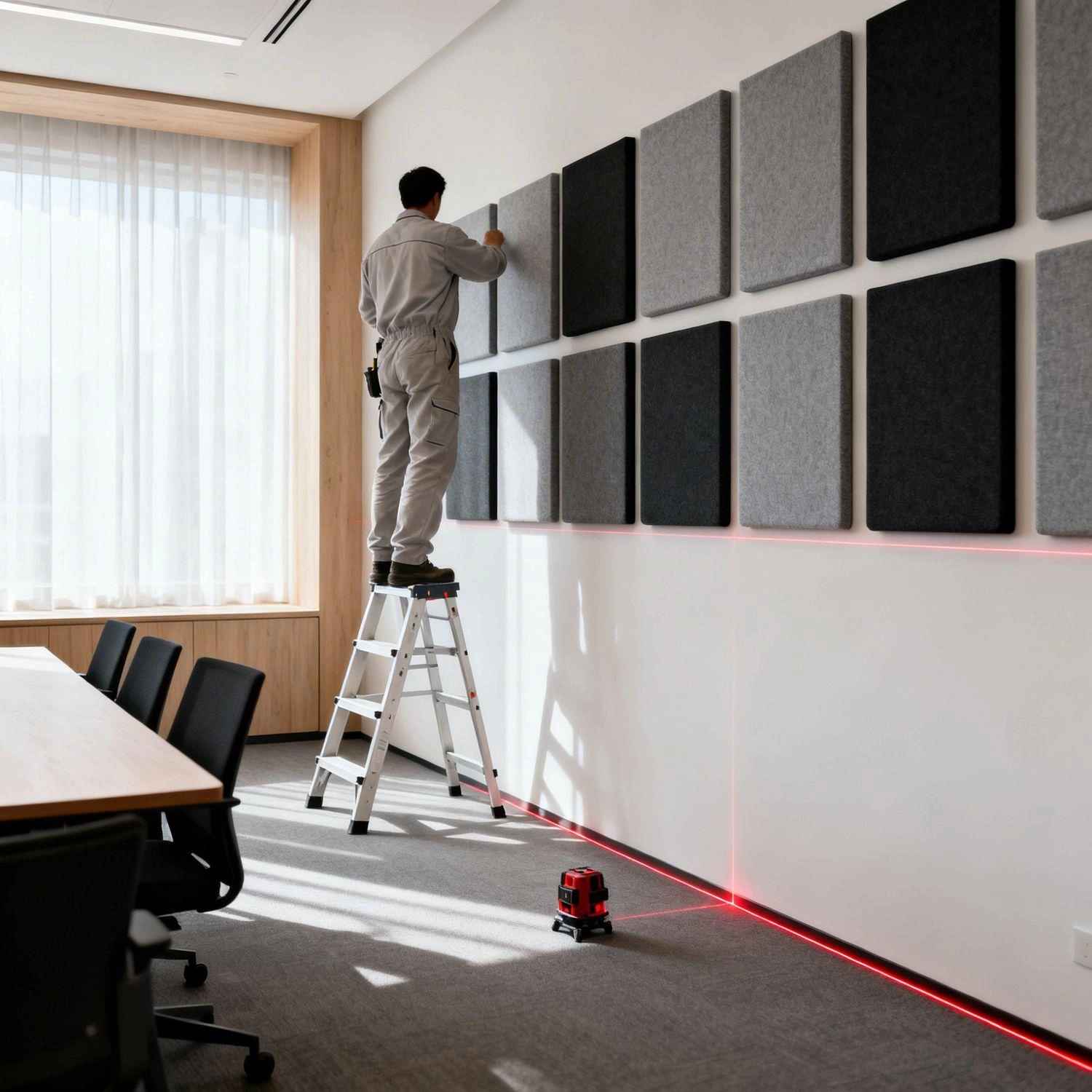
In the era of remote work and hybrid working models, the home office has evolved from a temporary workspace into a vital hub of productivity. Whether you are a freelancer, a remote employee, or an entrepreneur, creating an environment that maximizes focus and efficiency is crucial. One often overlooked but highly effective way to enhance your home office is through the strategic use of office acoustic panels. These panels not only reduce noise but also improve concentration, communication, and overall well-being.
The Growing Importance of Noise Management in Home Offices
Modern home offices are no longer isolated from daily household activities. From children playing to kitchen appliances running, and even traffic outside, distractions are plentiful. According to studies, uncontrolled noise in a workspace can reduce productivity by up to 66% and significantly increase stress levels. Unlike traditional office settings, which often incorporate soundproofing or quiet zones, home offices vary greatly in their acoustic qualities.
Here, office acoustic panels emerge as a practical solution. By absorbing sound, these panels prevent disruptive noises from interfering with tasks that require deep concentration. Additionally, they minimize echo, which is particularly beneficial for video calls, virtual meetings, and content creation.
How Office Acoustic Panels Enhance Focus
Focus is the foundation of productivity. Even small auditory distractions can break your concentration and increase the time required to complete tasks. Office acoustic panels work by controlling sound reflections and absorbing ambient noise, creating a calmer, quieter environment.
Key benefits include:
Reduction of Background Noise: Panels absorb sounds from appliances, street traffic, or neighboring rooms, allowing you to concentrate without constant auditory interruptions.
Minimized Echo and Reverberation: In rooms with hard surfaces like wood floors or glass windows, sounds tend to bounce around. Acoustic panels reduce this echo, making the space feel more controlled and less chaotic.
Enhanced Privacy: For professionals participating in confidential calls or meetings, acoustic panels prevent sound from traveling outside the room, ensuring privacy and confidentiality.
By creating a quieter, more controlled auditory environment, these panels allow the brain to focus on tasks without frequent interruptions, ultimately boosting cognitive performance and efficiency.
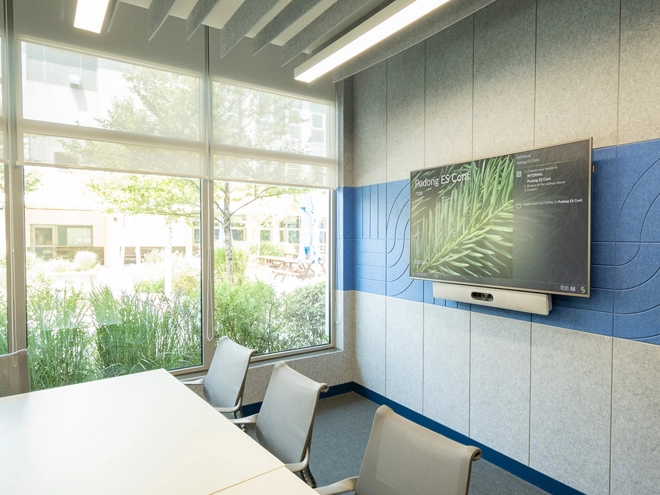
Boosting Productivity Through Improved Acoustic Design
The impact of sound on productivity is not just psychological; it is also physiological. Constant exposure to noise triggers stress responses in the body, increasing cortisol levels and contributing to fatigue. By dampening noise, office acoustic panels create an environment conducive to sustained attention and reduced mental strain.
In practical terms, a home office fitted with acoustic panels can lead to:
Faster task completion: Fewer distractions mean shorter periods of lost focus.
Improved quality of work: Enhanced concentration leads to fewer errors and more thoughtful output.
Greater creativity: A controlled sound environment can foster clearer thinking and innovative problem-solving.
Moreover, for those who rely on virtual collaboration, the reduction of echo and background noise improves communication clarity. Colleagues and clients hear you more clearly, making interactions smoother and more professional.
Choosing the Right Home Office Acoustic Panels
Selecting the appropriate acoustic panels requires consideration of several factors: room size, wall surfaces, noise sources, and aesthetic preferences.
Material and Density: Panels made of fiberglass, foam, or recycled fabrics vary in their sound absorption capabilities. Denser materials typically absorb lower frequencies, which are common in household noise.
Placement: Panels should be strategically placed at reflection points where sound bounces off walls or ceilings. Common positions include behind monitors, on walls adjacent to noise sources, or on the ceiling above the workspace.
Thickness and Size: Thicker panels generally offer better absorption. However, the balance between panel size and room aesthetics should be considered to maintain a visually pleasing home office.
Design and Color: Modern acoustic panels come in various colors, textures, and shapes, allowing you to complement your office décor while enhancing functionality. Customizable options can even turn panels into decorative statements without compromising on performance.
Budget: Acoustic panels can range from economical foam solutions to high-end designer panels. Consider both immediate needs and long-term benefits when choosing products.
By taking these factors into account, you can create a home office that is not only quieter but also visually inviting, enhancing both comfort and productivity.
The Psychological Benefits of a Quieter Home Office
Noise reduction has profound psychological benefits beyond improved focus. Chronic exposure to disruptive sounds can increase irritability, reduce motivation, and affect overall mental health. Incorporating office acoustic panels into your home office can mitigate these risks by creating a sense of calm and order.
A study from the University of California highlights that employees in quieter work environments report higher satisfaction, less fatigue, and improved emotional well-being. In a home office setting, this translates to a more positive workday experience, where you feel less stressed and more in control of your environment.
Integrating Acoustic Panels with Other Productivity Strategies
While acoustic panels are highly effective on their own, their benefits can be maximized when combined with other strategies:
Ergonomic Office Furniture: Pairing sound management with ergonomic chairs, desks, and monitor setups ensures both physical and mental comfort.
Lighting Optimization: Proper lighting reduces eye strain and complements the tranquil environment created by acoustic panels.
Decluttered Workspace: Minimalistic design and organization reduce visual distractions, complementing auditory improvements.
Scheduled Quiet Hours: Aligning high-focus tasks with periods of low household activity further enhances concentration.
This holistic approach turns your home office into a dedicated productivity zone, where every element works together to reduce stress and increase efficiency.
Types of Acoustic Panels Suitable for Home Offices
There are several types of acoustic panels that are particularly effective for home offices:
Fabric-Wrapped Panels: These panels provide excellent sound absorption and come in a variety of colors and textures, making them ideal for stylish home office designs.
Foam Panels: Lightweight and easy to install, foam panels are effective for reducing mid to high-frequency noises, making them a cost-effective choice for small home offices.
Bass Traps: Often installed in corners, bass traps absorb low-frequency noise, which is particularly useful in rooms with large windows or hard floors that amplify sounds like traffic or appliances.
Decorative Panels: Modern decorative panels combine aesthetics with acoustic performance, allowing you to integrate functional art into your workspace.
Ceiling Clouds: Hanging panels that absorb sound from above can dramatically reduce reverberation, especially in rooms with high ceilings.
Incorporating one or more of these options ensures a comprehensive approach to noise management, tailored to your specific home office needs.
Installing Home Office Acoustic Panels
Installation is generally straightforward, but proper planning is crucial to maximize effectiveness:
Measure Reflection Points: Determine where sound is bouncing and identify optimal panel placement.
Mix Panel Types: Combining wall-mounted panels, ceiling clouds, and bass traps creates a balanced sound environment.
Secure Panels Properly: Use appropriate adhesives or mounts to ensure panels remain in place without damaging walls.
Experiment and Adjust: Test the sound environment and adjust placement as needed for maximum noise reduction.
For many home office users, a few well-placed panels provide substantial benefits without overwhelming the space.
Conclusion
In today’s remote and hybrid work landscape, productivity is no longer just about technology or personal discipline; it’s about environment. Office acoustic panels for home offices provide a practical, effective, and visually appealing solution to the challenges of noise and distraction. By reducing background noise, minimizing echo, and fostering a sense of calm, these panels significantly enhance focus, creativity, and overall productivity.
Investing in quality acoustic panels is an investment in your work performance and mental well-being. For anyone serious about optimizing their home office, incorporating home office acoustic panels should be a top priority. A quieter, more controlled workspace is not merely a luxury—it is a cornerstone of modern productivity, providing both immediate and long-term benefits for professionals working from home.




 +86 18963687089

 en
en it
it es
es hu
hu ja
ja sv
sv pt
pt ms
ms ko
ko ru
ru fr
fr de
de ar
ar