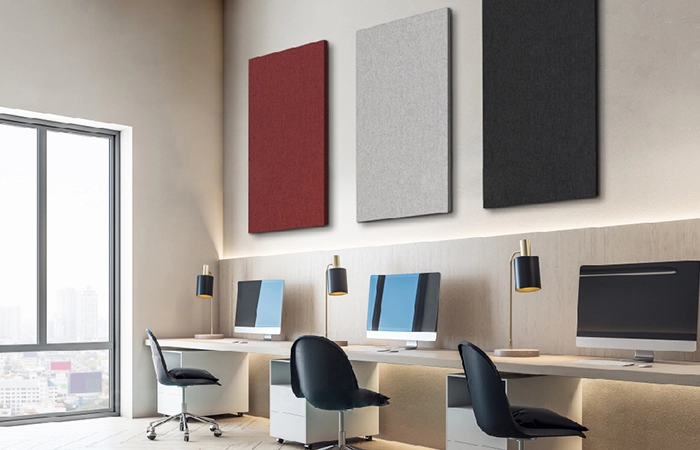
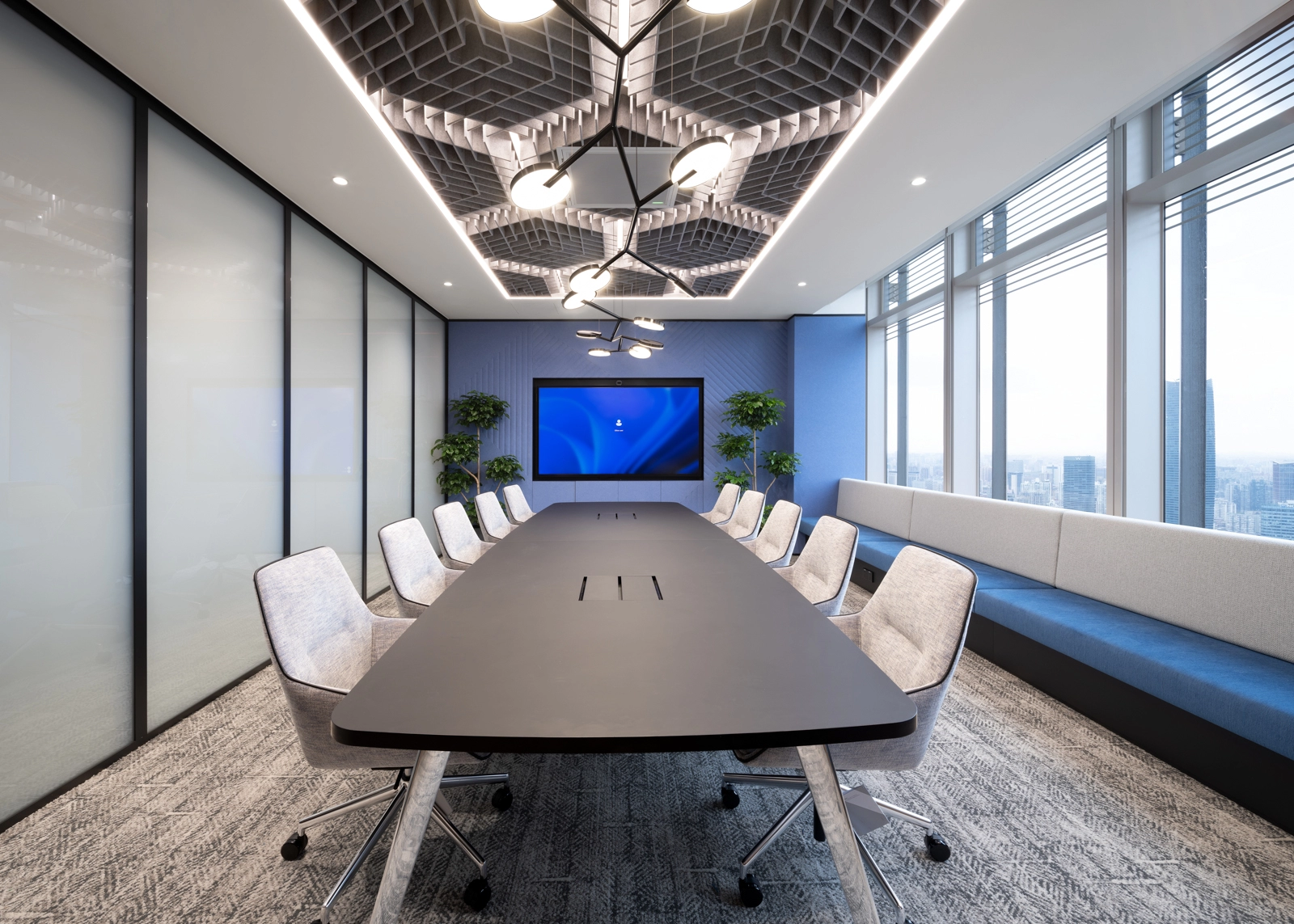
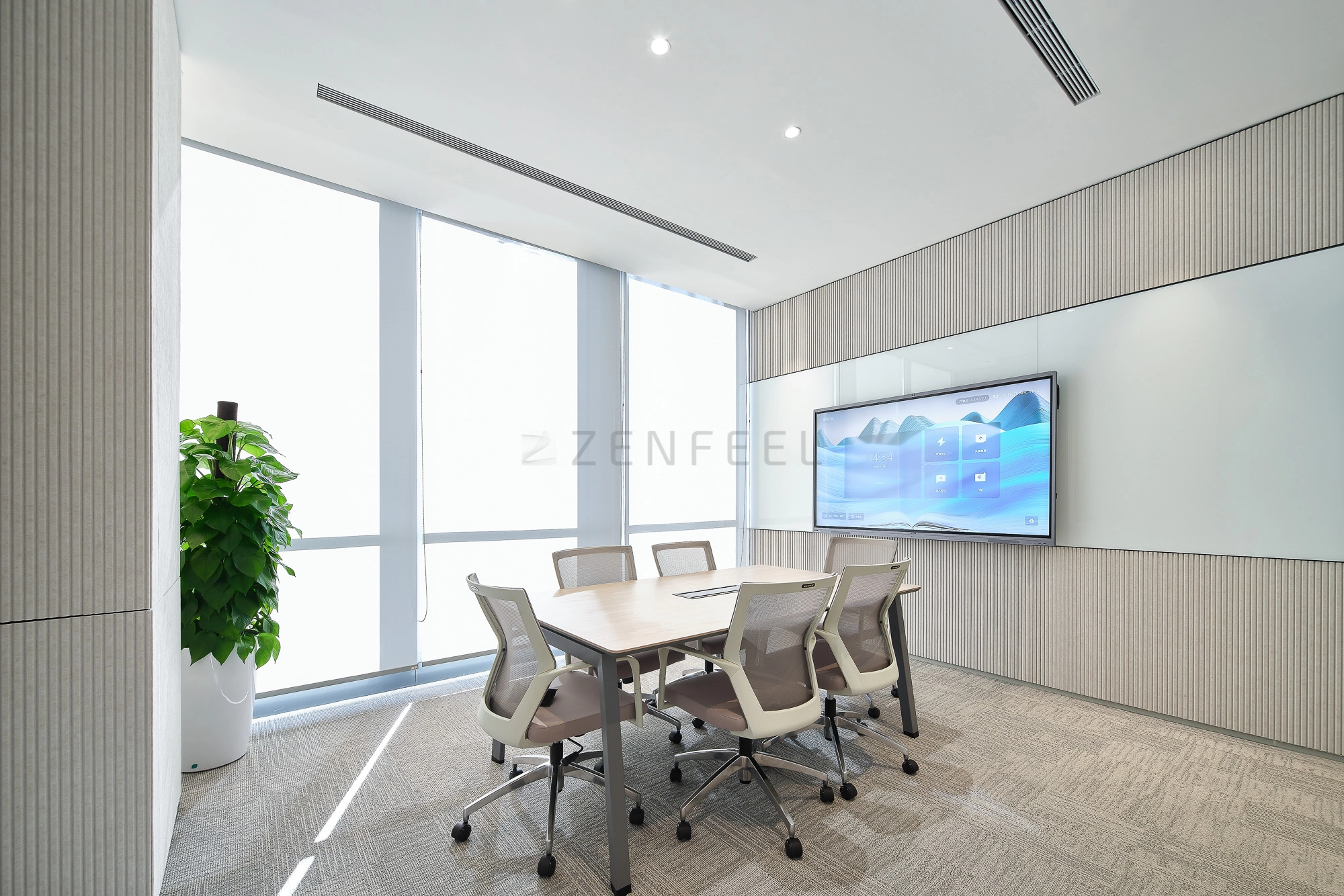
In modern workplaces, noise has become one of the most significant challenges affecting productivity, communication, and employee well-being. Open-plan offices, glass-heavy architecture, and collaborative work environments have increased the level of ambient noise, making acoustic control a crucial part of office design. One of the most effective solutions is the use of office acoustic panels.
However, not all acoustic panels are created equal. Their performance, appearance, durability, and cost largely depend on the materials used. Choosing the right material is essential for achieving the desired balance between sound absorption, aesthetics, sustainability, and budget.
This article provides a comprehensive analysis of the most common office acoustic panel materials and helps you determine which one is best for your workspace.
1. Understanding the Role of Office Acoustic Panels
Before exploring materials, it is important to understand what office acoustic panels actually do.
Office acoustic panels are specially designed sound-absorbing elements installed on walls, ceilings, or partitions to reduce noise levels. They work by absorbing sound waves, reducing echo, and improving speech clarity.
They are widely used in:
Open-plan offices
Meeting rooms
Conference halls
Call centers
Co-working spaces
Home offices
The effectiveness of acoustic panels depends heavily on the material’s density, porosity, and sound absorption coefficient.
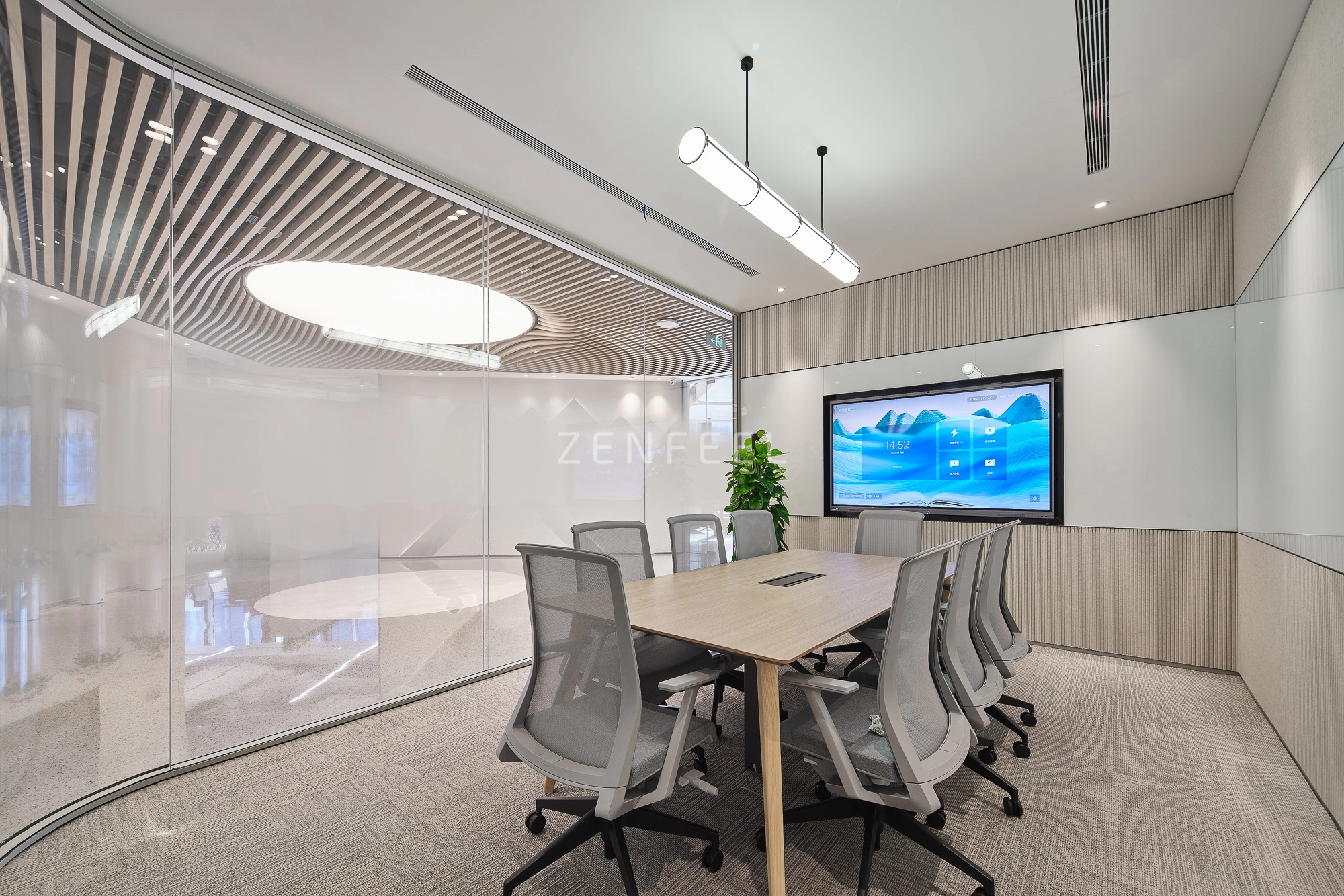
2. Polyester Fiber Acoustic Panels (PET Panels)
Overview
Polyester fiber acoustic panels, commonly known as PET panels, are among the most popular choices in modern office environments. They are made from recycled plastic bottles and compressed into dense felt-like sheets.
Advantages
Excellent sound absorption
PET panels perform well in mid-to-high frequency sound absorption, which is ideal for human speech noise in offices.
Eco-friendly
Made from recycled materials, they support sustainable building practices.
Lightweight and easy to install
They can be easily mounted on walls or ceilings without heavy hardware.
Wide design variety
Available in multiple colors, thicknesses, and shapes for interior customization.
Safe and non-toxic
PET panels are generally free from harmful chemicals and safe for indoor environments.
Disadvantages
Less effective at low-frequency noise control
Can be more expensive than basic foam materials
May require large coverage areas for optimal performance
Best use cases
3. Glass Wool Acoustic Panels
Overview
Glass wool is made from fine fibers of recycled glass melted and spun into a wool-like texture. It is widely used in commercial buildings for thermal and acoustic insulation.
Advantages
High sound absorption efficiency
Glass wool performs extremely well across a wide frequency range, including mid and low frequencies.
Cost-effective
Compared to many premium materials, glass wool is relatively affordable.
Fire-resistant
It offers excellent fire safety performance, making it suitable for commercial use.
Widely available
It is a standard material used in construction projects globally.
Disadvantages
Can cause skin irritation during installation
Requires protective covering or encapsulation
Not visually attractive without fabric wrapping
Best use cases
4. Rock Wool Acoustic Panels
Overview
Rock wool (also known as mineral wool) is made from volcanic rock or basalt melted and spun into fibers. It is denser than glass wool and offers strong acoustic and thermal insulation.
Advantages
Excellent sound insulation
Rock wool is highly effective at reducing both airborne noise and structure-borne sound.
High fire resistance
It can withstand extremely high temperatures, making it one of the safest materials.
Durability
Long-lasting and resistant to deformation.
Good low-frequency performance
More effective than many lightweight materials in controlling deeper sound waves.
Disadvantages
Heavier than other materials
Requires careful handling during installation
Typically needs fabric covering for office aesthetics
Best use cases
5. Acoustic Foam Panels (Polyurethane Foam)
Overview
Acoustic foam panels are made from polyurethane and are commonly seen in studios and small office setups. They are lightweight and designed with wedge or pyramid shapes to trap sound waves.
Advantages
Affordable
One of the most budget-friendly acoustic solutions.
Easy installation
Can be attached using adhesive or double-sided tape.
Effective for echo reduction
Great for controlling reverberation in small spaces.
Lightweight
Easy to move and reposition.
Disadvantages
Limited low-frequency absorption
Less durable over time
Can degrade under sunlight or heat
Not suitable for premium office aesthetics
Best use cases
Home offices
Small meeting rooms
Temporary office setups
6. Wooden Acoustic Panels
Overview
Wooden acoustic panels combine natural wood surfaces with perforations or slats backed by sound-absorbing materials such as felt or mineral wool.
Advantages
Premium appearance
Adds a natural and elegant aesthetic to office interiors.
Balanced acoustic performance
Effective in reducing mid and high-frequency noise.
Durability
Long-lasting and resistant to wear.
Customizable design
Available in various wood types, finishes, and patterns.
Disadvantages
Higher cost compared to synthetic materials
Heavier and more complex installation
Requires combination with acoustic backing material
Best use cases
7. Fabric-Wrapped Acoustic Panels
Overview
These panels consist of a core material (such as fiberglass or foam) wrapped in decorative fabric. They are widely used in commercial office interiors due to their balance of performance and aesthetics.
Advantages
Excellent sound absorption
Works effectively across mid and high frequencies.
Highly customizable
Available in various colors, textures, and patterns.
Professional appearance
Blends seamlessly into office design.
Good acoustic performance
Suitable for most office environments.
Disadvantages
Best use cases
Meeting rooms
Office walls
Training rooms
8. Melamine Foam Acoustic Panels
Overview
Melamine foam is a high-performance acoustic material known for its lightweight structure and fine open-cell design.
Advantages
High sound absorption
Excellent performance in reducing echo and reverberation.
Heat resistant
Suitable for environments with strict fire safety requirements.
Lightweight
Easy to install and handle.
Good aesthetic flexibility
Can be shaped into creative designs.
Disadvantages
More expensive than standard foam
Can be fragile under physical pressure
Limited structural strength
Best use cases
9. Comparison: Which Material Is Best?
There is no single “best” material for all office environments. The right choice depends on your priorities:
For best overall balance:
For maximum sound absorption:
Rock wool panels
Glass wool panels
For premium aesthetics:
For budget solutions:
For eco-friendly design:
For high-end corporate spaces:
10. Key Factors to Consider When Choosing Materials
When selecting office acoustic panels, consider the following factors:
1. Noise type
Determine whether your office suffers from speech noise, equipment noise, or external traffic noise.
2. Frequency range
Different materials absorb different frequencies more effectively.
3. Fire safety requirements
Commercial offices often require fire-rated materials.
4. Design and aesthetics
Panels should complement the office interior.
5. Installation environment
Wall-mounted, ceiling-mounted, or freestanding systems may require different materials.
6. Budget
Higher performance materials usually come at a higher cost.
11. Future Trends in Acoustic Panel Materials
The office acoustic industry is evolving rapidly. Key trends include:
Increased use of recycled and sustainable materials
Integration of acoustic panels with smart office systems
Modular and customizable acoustic solutions
Combination of acoustic and lighting panels
Biophilic designs using natural materials like wood and plant fibers
Conclusion
Office acoustic panels play a critical role in creating productive, comfortable, and visually appealing work environments. The choice of material directly influences not only sound performance but also aesthetics, safety, and long-term durability.
If your priority is versatility and sustainability, polyester fiber panels are an excellent choice. For high-performance sound control, rock wool and glass wool lead the market. For premium office design, wooden and fabric-wrapped panels offer the best visual impact.
Ultimately, the best material is the one that aligns with your acoustic requirements, design goals, and budget constraints. A well-planned acoustic strategy can significantly improve workplace efficiency, reduce stress, and enhance overall employee satisfaction.




 +86 18963687089

 en
en it
it es
es hu
hu ja
ja sv
sv pt
pt ms
ms ko
ko ru
ru fr
fr de
de ar
ar