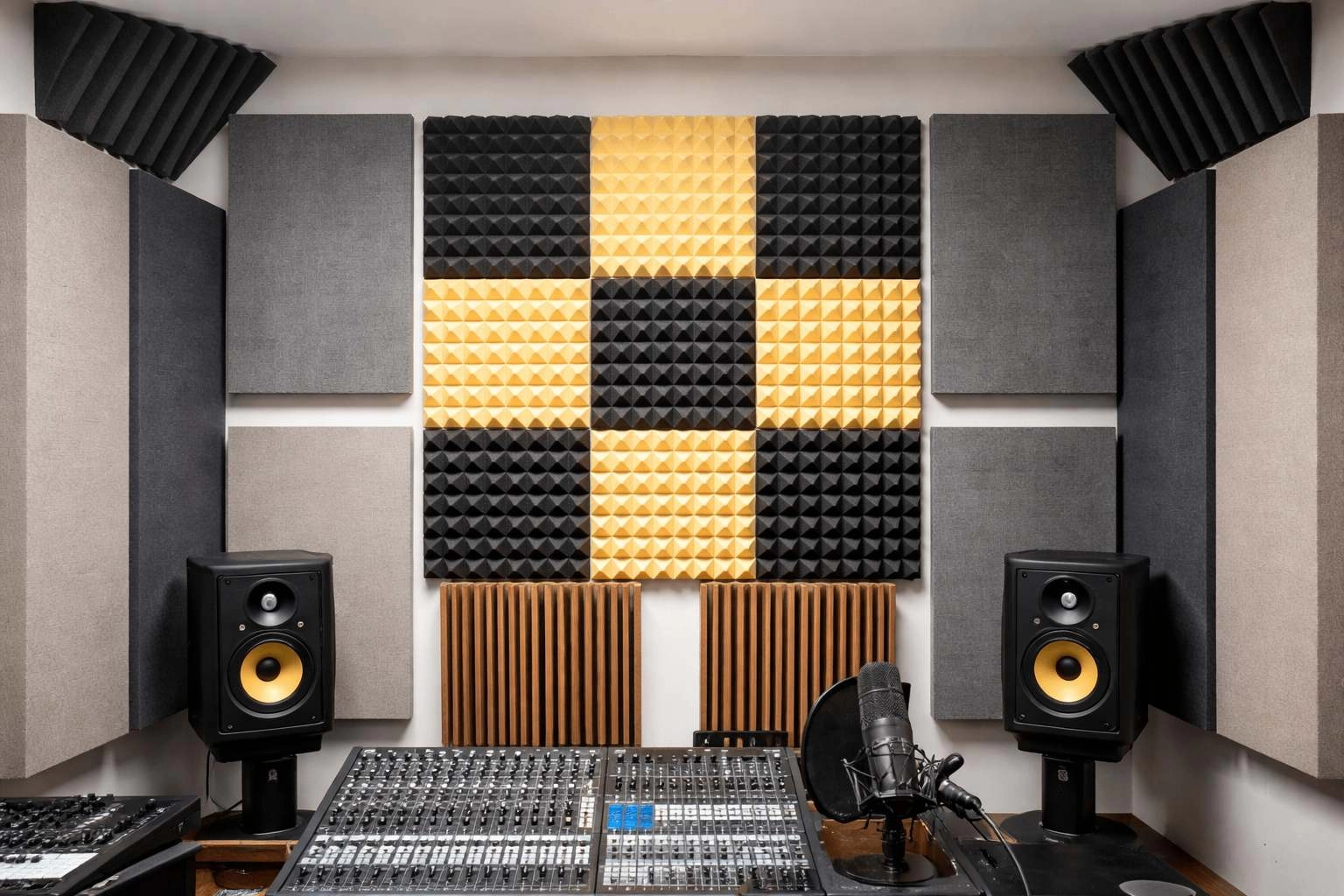
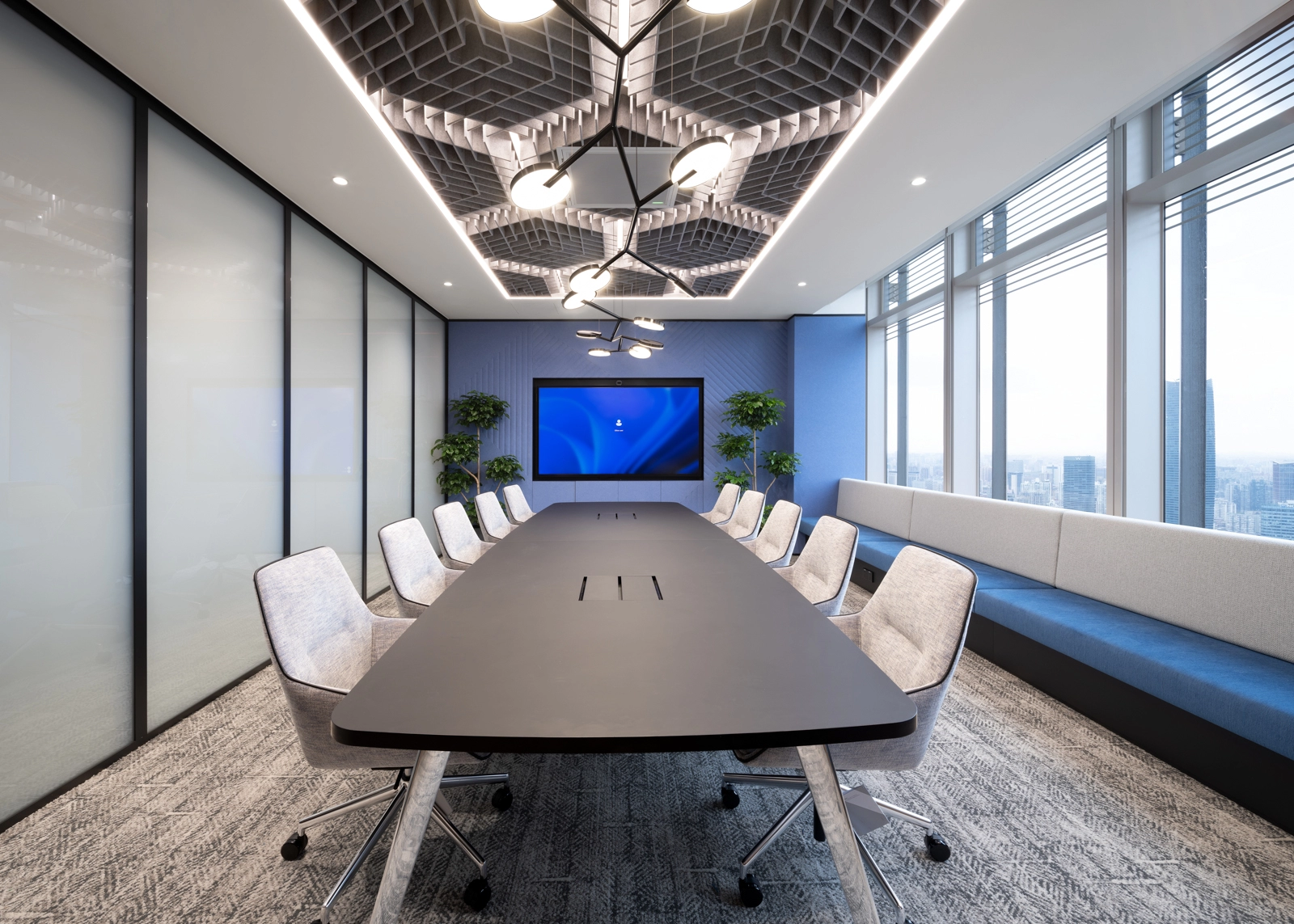
Modern offices are designed to foster collaboration, creativity, and flexibility. Open-plan workspaces, glass partitions, collaborative meeting areas, and hybrid work environments have become the norm in many organizations. While these designs create bright and engaging workplaces, they also introduce a common challenge—poor acoustics. Constant conversations, ringing phones, video conferences, office equipment, and foot traffic can quickly create distracting noise that affects employee productivity and well-being.
To address these challenges, businesses are increasingly investing in fabric-wrapped office acoustic panels. These panels combine high-performance sound absorption with elegant finishes, making them one of the most effective and visually appealing acoustic solutions for commercial interiors. By reducing reverberation and controlling background noise, they help create quieter, more comfortable workspaces without compromising modern office aesthetics.
In this comprehensive guide, we will explore the features, benefits, materials, applications, installation methods, and future trends of fabric wrapped office acoustic panels for enhanced acoustic comfort.
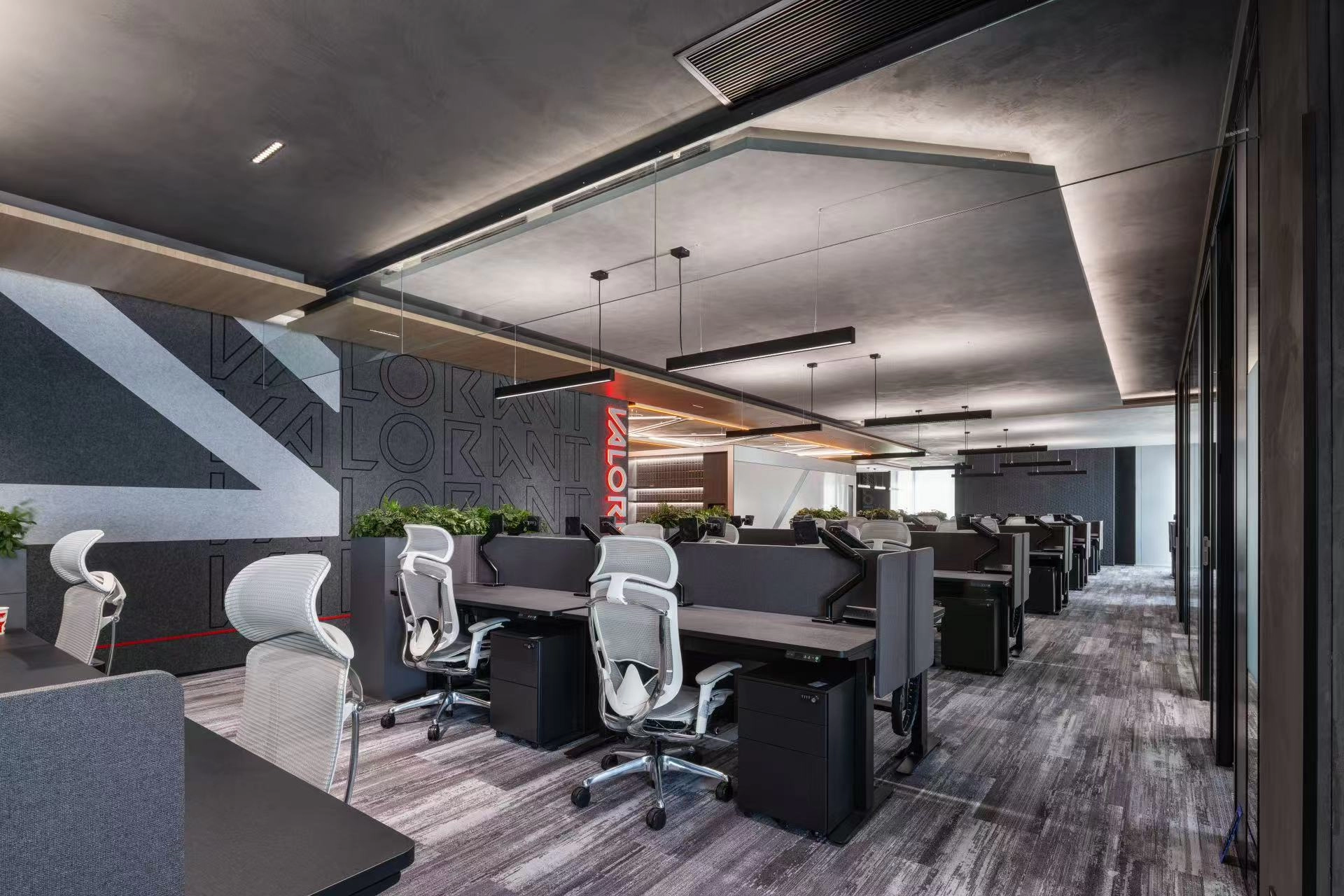
What Are Fabric Wrapped Office Acoustic Panels?
Fabric wrapped office acoustic panels are sound-absorbing panels consisting of an acoustic core enclosed in a durable decorative fabric. They are designed to absorb unwanted sound reflections while adding texture and visual appeal to office walls and ceilings.
A typical panel includes three main components:
A high-performance acoustic core
An acoustically transparent fabric covering
A rigid backing or frame for structural support
Unlike ordinary wall decorations, these panels are engineered to improve indoor acoustic quality while blending seamlessly into office interiors.
Fabric wrapped office acoustic panels are available in numerous colors, textures, sizes, and custom designs, making them suitable for a wide variety of workplace environments.
Why Acoustic Comfort Matters in Modern Offices
As workplaces become more collaborative, maintaining acoustic comfort has become increasingly important.
Improving Employee Productivity
Background noise can interrupt concentration and reduce work efficiency. Employees often require additional time to regain focus after distractions, leading to lower productivity.
Acoustic panels reduce these interruptions by minimizing sound reflections and lowering ambient noise.
Enhancing Communication
Meeting rooms, video conferencing spaces, and collaborative areas require clear speech intelligibility.
Poor acoustics often result in:
Echo
Muffled voices
Miscommunication
Listener fatigue
Fabric wrapped office acoustic panels improve clarity by controlling reverberation.
Supporting Employee Well-Being
A quieter workplace contributes to reduced stress levels, greater comfort, and improved overall job satisfaction.
Comfortable acoustic environments also support employee wellness initiatives.
How Fabric Wrapped Office Acoustic Panels Work
The primary function of acoustic panels is to absorb sound energy before it reflects throughout the room.
Porous Sound Absorption
The acoustic core contains thousands of tiny air pockets.
When sound waves enter these porous materials, friction converts sound energy into a small amount of heat, reducing reflected noise.
Controlling Reverberation
Reverberation occurs when sound repeatedly bounces between hard surfaces such as:
Glass walls
Concrete ceilings
Tile floors
Metal furniture
Fabric wrapped office acoustic panels absorb these reflections, shortening reverberation time and creating a calmer environment.
Improving Speech Intelligibility
Reducing reflected sound allows conversations to become clearer, particularly in conference rooms and collaborative workspaces.
Materials Used in Fabric Wrapped Office Acoustic Panels
The performance of acoustic panels largely depends on the materials used.
Polyester Fiber
Polyester fiber is one of the most common acoustic core materials.
Advantages include:
Mineral Wool
Mineral wool offers outstanding acoustic performance and excellent fire resistance.
It is frequently selected for commercial buildings requiring strict fire safety standards.
Fiberglass
Fiberglass acoustic cores provide superior sound absorption across a wide frequency range.
Modern manufacturing methods fully encapsulate fiberglass inside the fabric covering, ensuring safe indoor use.
Recycled PET Materials
Many manufacturers now use recycled plastic bottles to create PET acoustic panels.
Benefits include:
Sustainable production
Recyclability
Excellent durability
Low environmental impact
Choosing the Right Fabric Finish
The fabric covering is both decorative and functional.
An ideal acoustic fabric should be:
Popular fabric options include:
Polyester Fabric
Affordable, durable, and available in numerous colors.
Wool Blend Fabric
Offers a premium appearance with excellent texture and durability.
Performance Fabrics
Designed for commercial environments with enhanced stain resistance and long-term performance.
Benefits of Fabric Wrapped Office Acoustic Panels
Superior Acoustic Performance
Fabric wrapped office acoustic panels effectively absorb mid- and high-frequency sounds, including:
Human speech
Telephone conversations
Keyboard typing
Office equipment noise
This creates a quieter and more productive workspace.
Attractive Interior Design
Unlike industrial acoustic treatments, fabric panels become decorative elements.
They can be customized to complement:
Corporate branding
Interior color schemes
Architectural styles
Modern office furniture
Flexible Installation
Panels may be installed on:
This flexibility allows designers to optimize acoustic performance throughout the office.
Easy Maintenance
Most commercial acoustic fabrics are:
Long Service Life
High-quality fabric wrapped office acoustic panels maintain both appearance and acoustic performance for many years with minimal maintenance.
Applications in Modern Office Spaces
Open-Plan Offices
Open workspaces benefit significantly from acoustic treatments.
Panels reduce distracting conversations while maintaining an open and collaborative atmosphere.
Conference Rooms
Meeting rooms require excellent speech clarity.
Fabric wrapped panels minimize echo during:
Presentations
Video conferences
Team discussions
Client meetings
Executive Offices
Private offices become quieter and more comfortable with strategically placed acoustic panels.
Reception Areas
Reception spaces benefit from improved acoustic quality while creating an attractive first impression.
Call Centers
Call centers are among the noisiest office environments.
Fabric wrapped office acoustic panels reduce operator distraction and improve communication quality.
Training Rooms
Educational sessions become more effective when speech is clear and background noise is minimized.
Design Possibilities
One major advantage of fabric wrapped office acoustic panels is their design versatility.
Color Coordination
Panels are available in virtually unlimited color options.
Designers often match panel colors with:
Corporate branding
Furniture
Flooring
Wall finishes
Custom Printing
Manufacturers can print:
Company logos
Photography
Artwork
Inspirational graphics
This transforms acoustic panels into branding elements.
Geometric Layouts
Rather than installing simple rectangles, panels can be arranged into creative patterns.
Popular layouts include:
Checkerboard designs
Vertical strips
Modular grids
Feature walls
Three-Dimensional Effects
Some fabric wrapped panels incorporate sculpted surfaces that provide additional sound diffusion while enhancing visual interest.
Installation Best Practices
Proper installation greatly influences acoustic performance.
Identify Reflection Points
Acoustic panels should be positioned where sound reflections are strongest.
Common locations include:
Opposite glass walls
Meeting room side walls
Ceiling reflection zones
Balance Wall Coverage
Installing panels across approximately 25%–40% of reflective wall surfaces often provides excellent acoustic improvement in typical office environments.
Combine Ceiling and Wall Treatments
For larger spaces, combining wall-mounted panels with ceiling acoustic baffles creates balanced sound control.
Avoid Over-Treatment
Too many acoustic panels may create an unnaturally quiet environment.
Professional acoustic planning ensures the appropriate balance.
Sustainability and Environmental Benefits
Many businesses prioritize environmentally responsible building materials.
Modern fabric wrapped office acoustic panels often feature:
These characteristics contribute to green building certifications such as:
LEED
WELL Building Standard
BREEAM
Sustainable acoustic solutions support both environmental responsibility and employee well-being.
Fabric Wrapped Panels Compared with Other Acoustic Solutions
| Feature | Fabric Wrapped Panels | Foam Panels | Wooden Acoustic Panels |
|---|
| Appearance | Premium | Basic | Natural |
| Sound Absorption | Excellent | Good | Moderate to High |
| Customization | Extensive | Limited | Moderate |
| Corporate Branding | Excellent | Limited | Moderate |
| Durability | High | Medium | High |
| Maintenance | Easy | Moderate | Easy |
Fabric wrapped office acoustic panels provide one of the best combinations of acoustic performance, visual appeal, and customization flexibility.
Future Trends in Office Acoustic Design
The acoustic industry continues to evolve with changing workplace requirements.
Emerging innovations include:
Smart Acoustic Panels
Integrated sensors may monitor workplace noise levels and optimize acoustic performance.
Sustainable Materials
Manufacturers continue developing recyclable and bio-based acoustic materials.
Multi-Functional Panels
Future acoustic panels may combine:
LED lighting
Air purification
Wireless charging
Digital displays
Modular Acoustic Systems
Flexible modular panels allow offices to adapt quickly as workspace layouts evolve.
Tips for Selecting the Right Fabric Wrapped Office Acoustic Panels
Before making a purchasing decision, consider the following factors:
Required acoustic performance
Office size and layout
Interior design style
Fabric durability
Fire safety certifications
Sustainability credentials
Installation flexibility
Customization options
Maintenance requirements
Manufacturer experience
Selecting the right combination of performance and aesthetics ensures long-term value.
Conclusion
As modern workplaces continue to prioritize employee well-being, productivity, and visually appealing interiors, fabric wrapped office acoustic panels have become one of the most versatile and effective acoustic solutions available. They offer an exceptional balance of sound absorption, design flexibility, durability, and customization, making them suitable for virtually every type of commercial office environment.
Whether installed in open-plan workspaces, conference rooms, executive offices, reception areas, or collaborative zones, these panels significantly reduce noise distractions and improve speech clarity while enhancing the overall appearance of the workplace.
By investing in high-quality fabric-wrapped acoustic panels for enhanced acoustic comfort, businesses can create office environments that are quieter, healthier, more productive, and better aligned with modern architectural and interior design standards. As workplace design continues to evolve, these acoustic solutions will remain an essential component of creating comfortable and inspiring offices for the future.




 +86 18963687089

 en
en it
it es
es hu
hu ja
ja sv
sv pt
pt ms
ms ko
ko ru
ru fr
fr de
de ar
ar