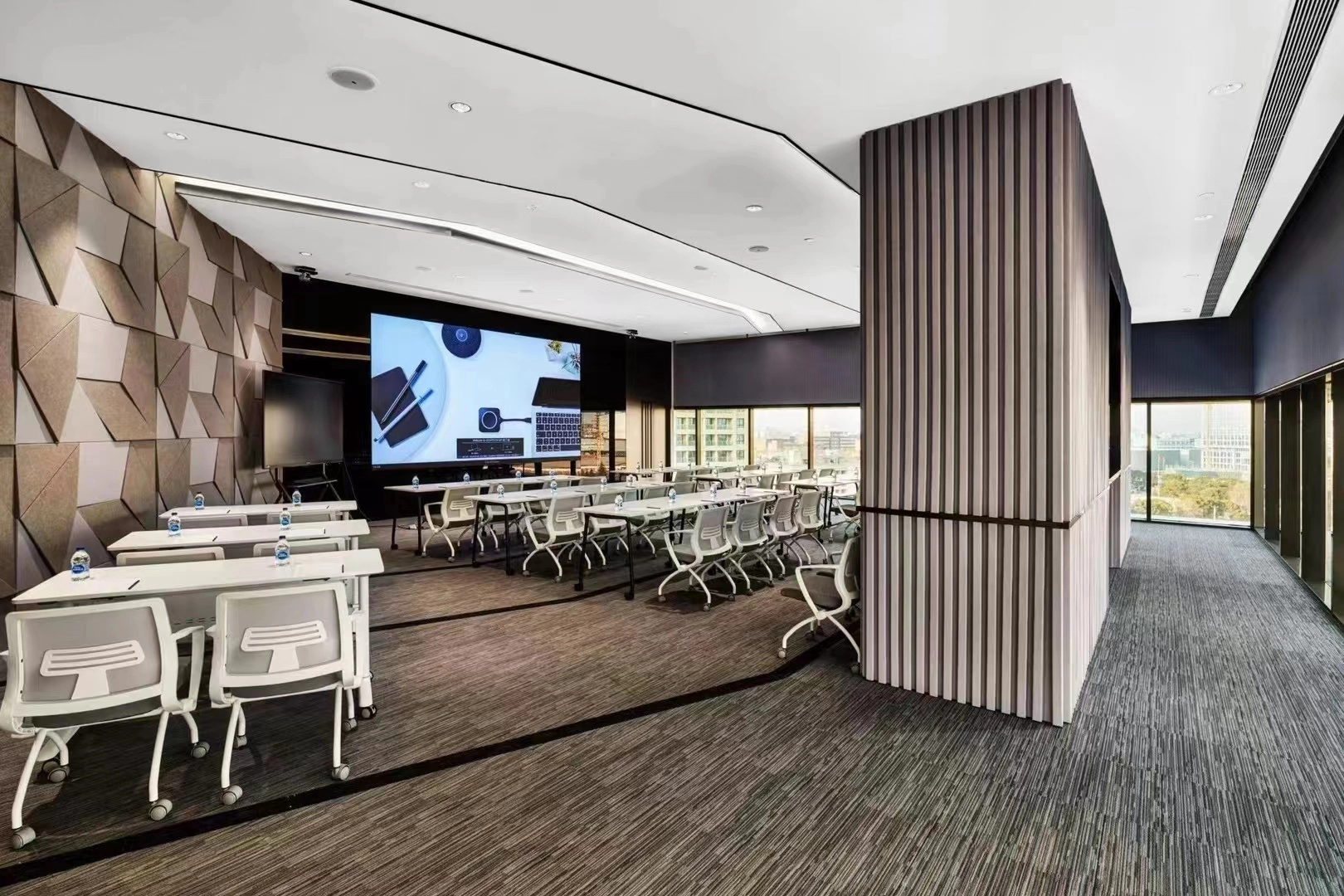
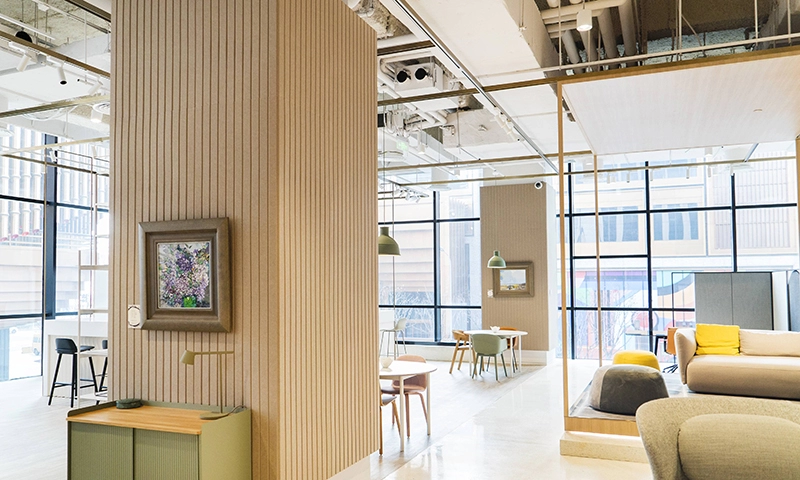
The modern workplace is no longer just a functional environment where employees complete daily tasks. Today’s offices are designed to inspire creativity, strengthen corporate identity, encourage collaboration, and improve employee well-being. As office interiors become increasingly sophisticated, architects and designers are searching for solutions that seamlessly combine aesthetics with functionality. One innovation that perfectly meets these requirements is modern geometric office acoustic panels.
Unlike traditional flat acoustic panels, geometric acoustic panels feature bold shapes, dimensional patterns, and customizable layouts that transform ordinary walls into eye-catching architectural features. At the same time, they effectively absorb sound, reduce echo, and create a more comfortable acoustic environment.
Whether installed in open-plan offices, executive suites, meeting rooms, reception areas, or creative studios, modern geometric office acoustic panels for stylish office walls have become one of the most popular choices in contemporary commercial interior design.
This comprehensive guide explores everything you need to know about geometric office acoustic panels, including their benefits, materials, applications, design trends, installation tips, and why they are becoming a must-have element in modern office architecture.
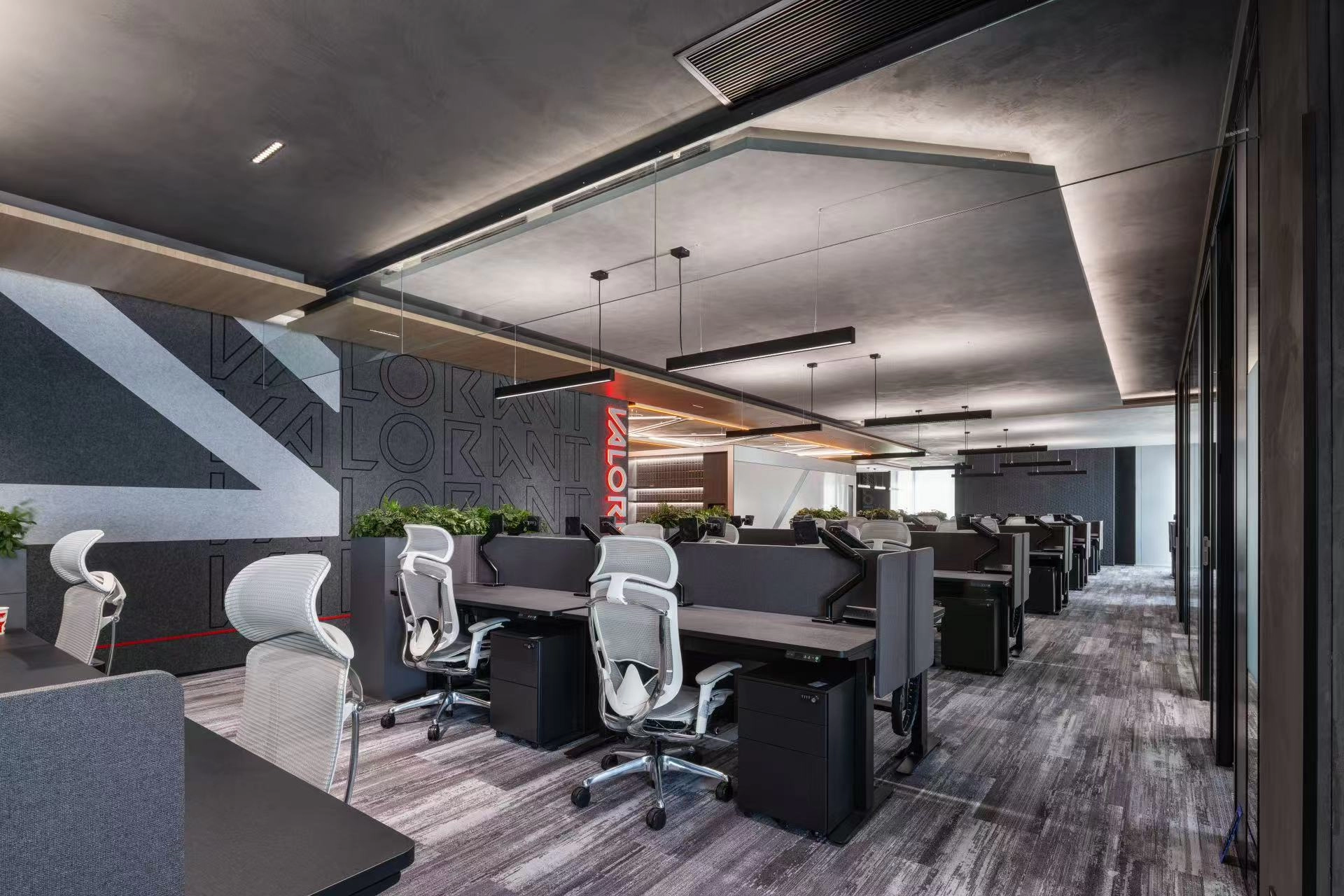
What Are Modern Geometric Office Acoustic Panels?
Modern geometric office acoustic panels are decorative sound-absorbing panels designed with distinctive geometric shapes rather than conventional rectangular forms. They combine high-performance acoustic materials with creative architectural designs to improve both the visual appearance and acoustic quality of office spaces.
Common geometric styles include:
These individual modules can be arranged in countless configurations, allowing designers to create customized feature walls that reflect a company's branding and office culture.
Unlike conventional soundproofing materials that are often hidden behind ceilings or walls, geometric acoustic panels become part of the interior design itself.
Why Stylish Office Walls Matter
Office walls occupy a significant portion of any workspace. Instead of leaving them plain or covering them with simple paint, businesses are increasingly using walls to communicate their identity and improve employee experience.
Modern office walls should achieve several objectives:
Enhance workplace aesthetics
Reflect corporate branding
Improve employee engagement
Reduce workplace noise
Create visual interest
Support collaborative environments
Geometric office acoustic panels accomplish all of these goals simultaneously.
The Growing Importance of Office Acoustics
As organizations adopt open-plan layouts, noise management has become one of the biggest challenges in workplace design.
Common office noise sources include:
Without proper acoustic treatment, sound reflects off hard surfaces such as:
Glass walls
Concrete ceilings
Hardwood flooring
Metal furniture
Large windows
The result is excessive reverberation, poor speech clarity, and increased employee distraction.
Modern geometric office acoustic panels help solve these issues while enhancing interior design.
How Geometric Office Acoustic Panels Work
The effectiveness of acoustic panels is based on two primary acoustic principles.
Sound Absorption
The porous materials inside the panels capture sound waves and convert acoustic energy into small amounts of heat.
This process reduces:
Echo
Reverberation
Background noise
Sound Diffusion
The geometric surfaces also scatter sound reflections.
Instead of bouncing directly back into the room, sound waves are dispersed in multiple directions, creating a more balanced acoustic environment.
The combination of absorption and diffusion significantly improves workplace comfort.
Advantages of Modern Geometric Office Acoustic Panels
Outstanding Visual Appeal
One of the biggest advantages is their ability to transform plain office walls into architectural artwork.
Rather than hiding acoustic treatments, geometric panels celebrate them as part of the overall interior concept.
Designers can create:
Excellent Acoustic Performance
Despite their decorative appearance, these panels provide highly effective sound absorption.
Benefits include:
This creates a more productive working environment.
Endless Customization Options
Modern geometric office acoustic panels offer virtually unlimited design flexibility.
Businesses can customize:
Colors
Sizes
Shapes
Layout patterns
Textures
Materials
Printed graphics
This allows every installation to become unique.
Modular Installation
Most geometric panels are modular.
Individual pieces can easily be:
Rearranged
Expanded
Replaced
Updated
This flexibility is particularly valuable for offices that frequently renovate or reorganize workspaces.
Space Efficiency
Unlike bulky acoustic treatments, wall-mounted geometric panels occupy minimal space while delivering substantial acoustic improvement.
They are ideal for:
Popular Geometric Panel Designs
Hexagonal Panels
Hexagons remain one of the most popular geometric shapes.
Advantages include:
Triangular Panels
Triangles create bold visual movement.
They are often arranged into:
Diamond Panels
Diamond-shaped panels provide elegant symmetry while adding depth to office walls.
They work especially well in executive offices.
Polygon Panels
Irregular polygon designs create contemporary artistic installations suitable for innovation centers and technology companies.
Three-Dimensional Geometric Panels
Some acoustic panels include raised surfaces that create sculptural wall effects.
These provide additional sound diffusion while producing dramatic visual impact.
Materials Used in Modern Geometric Office Acoustic Panels
PET Acoustic Felt
PET felt is currently one of the most popular materials.
Benefits include:
Fabric-Wrapped Panels
Fabric finishes provide a soft appearance and superior acoustic performance.
Available in hundreds of colors, they suit nearly any office design.
Wood Acoustic Panels
Wood combines natural warmth with professional elegance.
Common finishes include:
Wood geometric panels are frequently used in premium corporate environments.
Composite Materials
Advanced composites allow manufacturers to create complex geometric forms while maintaining structural strength.
Applications Throughout the Office
Reception Areas
Reception walls often serve as the company's first impression.
Geometric acoustic installations create:
Conference Rooms
Meetings require clear communication.
Acoustic panels improve:
Speech clarity
Video conferencing
Presentation quality
Open Workspaces
Large offices benefit from reduced background noise while maintaining attractive interiors.
Executive Offices
Premium geometric wood panels create sophisticated environments that balance professionalism and comfort.
Breakout Areas
Relaxation zones become more inviting when noise levels are controlled through decorative acoustic treatments.
Creative Studios
Design agencies, advertising firms, and technology companies often use colorful geometric panels to encourage innovation.
Integrating Corporate Branding
One of the greatest strengths of geometric office acoustic panels is their ability to reinforce brand identity.
Companies can incorporate:
Brand colors
Corporate logos
Signature patterns
Mission statements
Graphic artwork
This transforms acoustic panels into marketing assets as well as architectural features.
Design Trends in Modern Offices
Several interior design trends have contributed to the popularity of geometric acoustic panels.
Minimalist Design
Simple geometric patterns complement clean architectural lines.
Biophilic Design
Natural textures and earth-tone acoustic panels work beautifully alongside indoor plants and sustainable materials.
Scandinavian Offices
Light wood finishes and neutral-colored geometric panels perfectly match Scandinavian interiors.
Industrial Interiors
Concrete ceilings and exposed ductwork become more comfortable when balanced with colorful acoustic feature walls.
Flexible Workspaces
Modular acoustic systems support changing office layouts without major renovations.
Sustainability and Environmental Responsibility
Modern office design increasingly emphasizes sustainability.
Many manufacturers now produce geometric office acoustic panels using environmentally responsible materials.
Common sustainable features include:
These products often contribute to green building certifications such as LEED, WELL Building Standard, and BREEAM.
Choosing sustainable acoustic solutions demonstrates a company's commitment to environmental responsibility while improving workplace comfort.
Tips for Choosing the Right Geometric Acoustic Panels
When selecting modern geometric office acoustic panels, consider the following factors:
Acoustic Performance
Look for panels with high Noise Reduction Coefficient (NRC) ratings suitable for your office environment.
Material Quality
Choose durable, fire-resistant, and environmentally friendly materials that can withstand daily use.
Design Compatibility
Select colors, shapes, and patterns that complement your office's architectural style and branding.
Installation Flexibility
Modular systems make future adjustments and expansions easier.
Maintenance
Opt for surfaces that resist dust accumulation and are easy to clean.
Customization
If branding is important, choose a manufacturer that offers custom colors, dimensions, and layouts.
Future Trends in Geometric Office Acoustic Panels
The evolution of workplace design continues to drive innovation in acoustic solutions.
Emerging trends include:
Smart acoustic panels with integrated sound sensors
Parametric geometric designs created through digital modeling
Acoustic panels combined with LED lighting
Interactive acoustic walls
3D printed custom acoustic structures
AI-assisted acoustic planning
Multi-functional acoustic systems that integrate lighting, ventilation, and decorative elements
These innovations will continue to blur the line between architecture, interior design, and acoustic engineering.
Conclusion
Modern office environments demand more than attractive interiors—they require spaces that support productivity, collaboration, and employee well-being. Modern geometric office acoustic panels provide an ideal solution by combining exceptional acoustic performance with striking architectural aesthetics.
Their ability to reduce noise, improve speech clarity, and transform plain walls into visually engaging design features makes them one of the most valuable additions to contemporary office interiors. Available in a wide range of materials, colors, shapes, and configurations, these panels can be tailored to suit everything from corporate headquarters and coworking spaces to creative studios and executive offices.
As workplace design continues to evolve toward more flexible, sustainable, and people-centered environments, geometric acoustic panels will play an increasingly important role. By investing in stylish office walls that also enhance acoustic comfort, businesses can create workspaces that are not only beautiful but also quieter, healthier, and more productive for everyone.




 +86 18963687089

 en
en it
it es
es hu
hu ja
ja sv
sv pt
pt ms
ms ko
ko ru
ru fr
fr de
de ar
ar