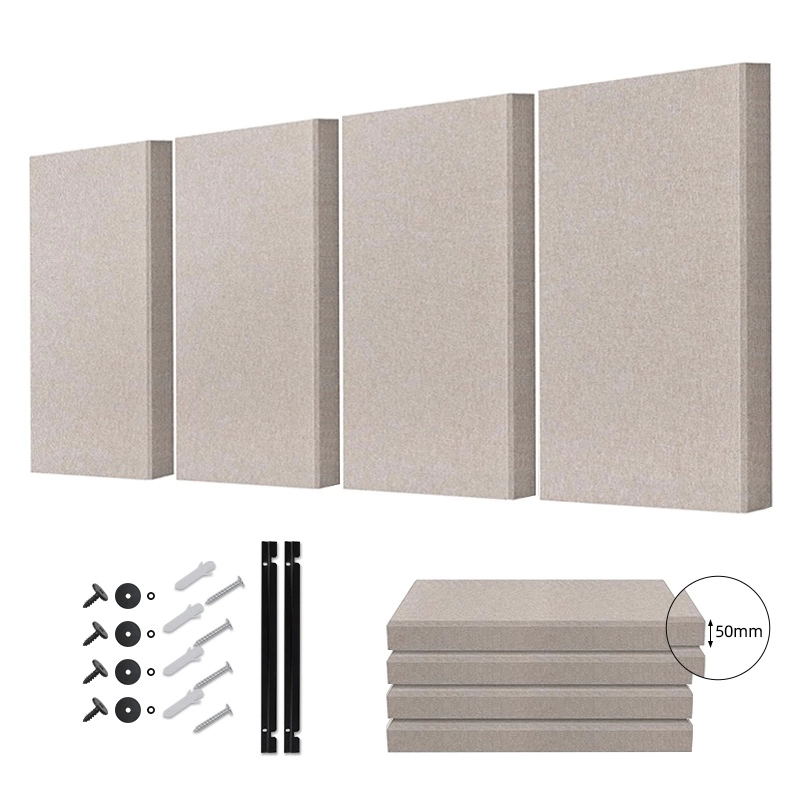
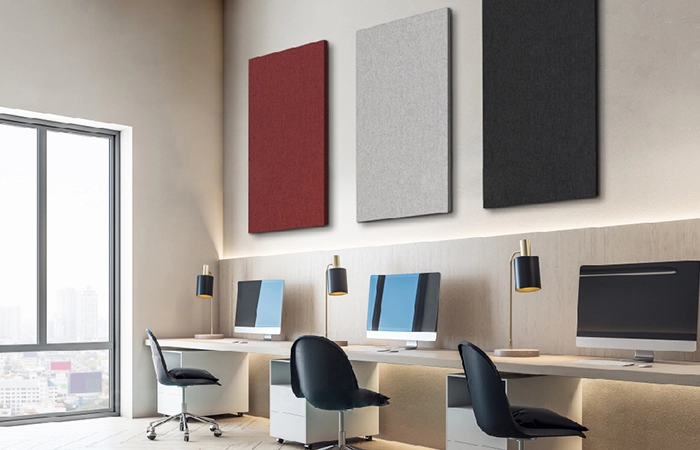
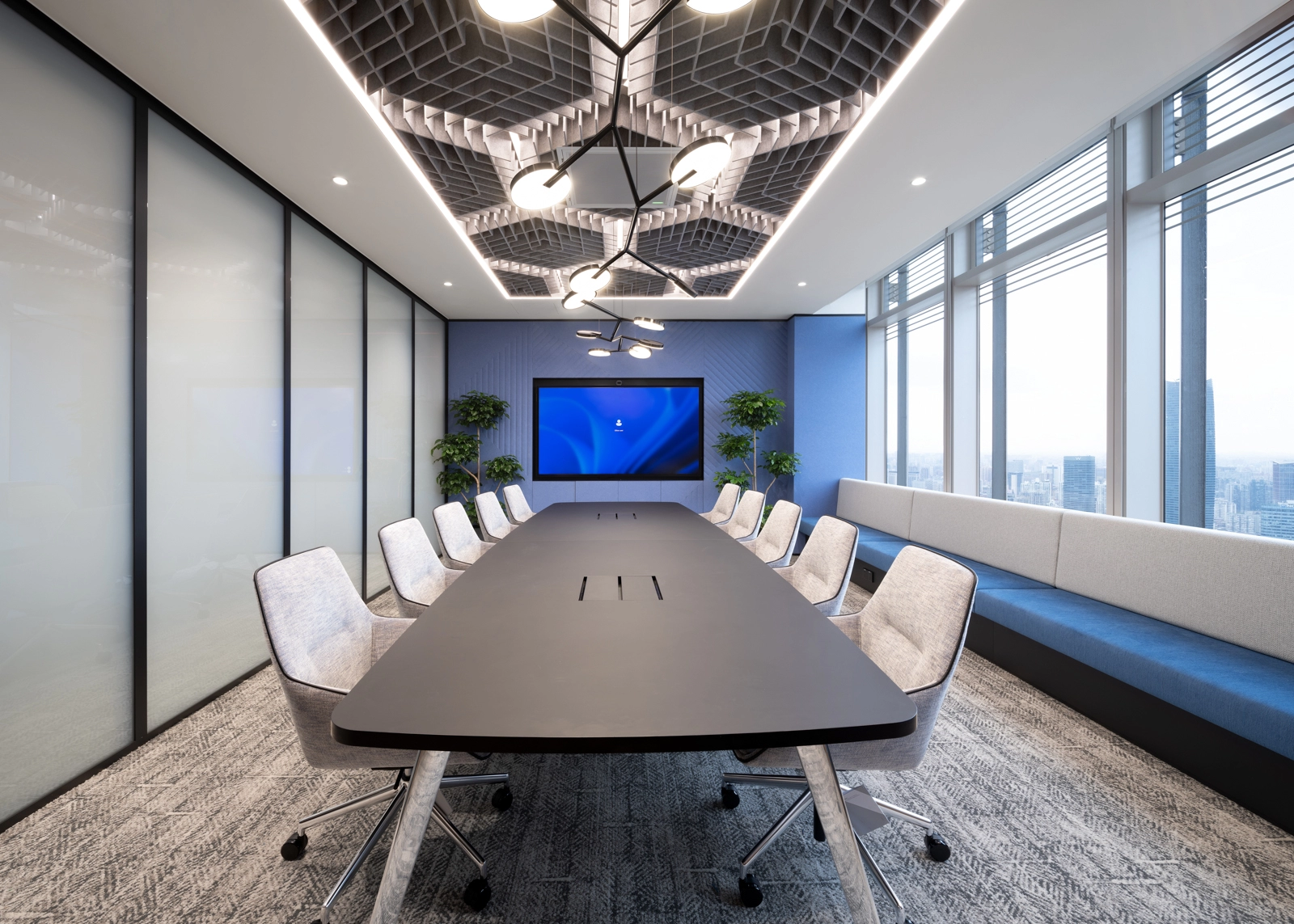
Modern workplace design is no longer focused only on functionality and efficiency. Businesses are increasingly looking for office environments that support employee well-being, improve productivity, and reflect their brand values. As open-plan offices, collaborative workspaces, and flexible layouts become more common, acoustic comfort has become a critical factor in creating a successful workplace.
Excessive noise, sound reflections, and poor speech clarity can negatively impact employee concentration and communication. To address these challenges, many architects and interior designers are turning to felt office acoustic panels as an effective solution that combines sound absorption, sustainability, and contemporary aesthetics.
Made from materials such as recycled polyester fibers and acoustic felt, these panels provide excellent noise control while adding warmth, texture, and visual appeal to office interiors. Whether used in open offices, meeting rooms, reception areas, or creative spaces, felt office acoustic panels for sustainable and stylish workplace design offer a practical way to create comfortable and environmentally responsible work environments.
This article explores the features, benefits, applications, materials, design possibilities, and future trends of felt acoustic panels in modern office spaces.
The Growing Need for Better Office Acoustic Solutions
The modern office has undergone significant changes over the past decade. Traditional private offices have increasingly been replaced by open layouts designed to encourage teamwork and communication.
Although open-plan offices offer advantages such as flexibility and efficient space usage, they also introduce acoustic problems.
Common sources of workplace noise include:
When sound waves hit hard surfaces such as glass partitions, concrete ceilings, and smooth walls, they reflect throughout the space. This creates unwanted echo and background noise.
Poor office acoustics may result in:
Effective acoustic treatment is therefore essential for creating a balanced and comfortable workplace environment.
What Are Felt Office Acoustic Panels?
Felt office acoustic panels are sound-absorbing panels made from acoustic felt materials designed to reduce noise and control reverberation. They are commonly manufactured using polyester fibers, recycled PET materials, or other sustainable fiber-based materials.
Unlike traditional soundproofing products that focus on blocking sound transmission, felt acoustic panels primarily work by absorbing sound energy within a room.
These panels typically feature:
A porous felt structure for sound absorption
Lightweight construction
Decorative surface finishes
Flexible installation options
Because of their combination of acoustic performance and visual flexibility, felt panels have become increasingly popular in modern commercial interiors.
How Felt Acoustic Panels Improve Workplace Acoustics
Understanding how felt acoustic panels work helps explain their effectiveness in office environments.
Sound Absorption Through Fiber Structure
Felt materials contain thousands of interconnected fibers that create microscopic air spaces. When sound waves enter these spaces, acoustic energy is converted into small amounts of heat through friction.
This process reduces reflected sound and improves overall room acoustics.
Reducing Reverberation
Large offices often suffer from excessive reverberation due to reflective surfaces.
Felt office acoustic panels help shorten reverberation time by absorbing sound reflections, creating a quieter and more comfortable environment.
Improving Speech Intelligibility
Clear communication is essential in:
Meeting rooms
Conference spaces
Training areas
Collaborative zones
By controlling background noise and echo, felt acoustic panels make conversations easier to understand.
Key Benefits of Felt Office Acoustic Panels
Sustainable Material Choice
One of the most important advantages of felt acoustic panels is their environmental performance.
Many modern felt panels are made from recycled polyester fibers, including recycled PET bottles.
Sustainable benefits include:
This makes felt acoustic panels a popular choice for green building projects and companies focused on sustainability.
Excellent Sound Absorption Performance
Despite their lightweight structure, felt acoustic panels provide strong acoustic performance.
They effectively reduce:
Background conversations
Office distractions
Echo
Sound reflections
This creates a more focused and productive workplace.
Stylish and Modern Appearance
Acoustic solutions no longer need to be hidden.
Felt office acoustic panels are available in a wide range of:
Colors
Shapes
Patterns
Textures
They can become decorative elements that enhance the overall office design.
Popular design styles include:
Minimalist interiors
Scandinavian offices
Creative studios
Sustainable workplaces
Modern corporate spaces
Lightweight and Easy Installation
Felt panels are significantly lighter than many traditional acoustic materials.
This provides several advantages:
They can be installed on:
Walls
Ceilings
Partitions
Workstations
Safe and Comfortable Indoor Environment
High-quality felt acoustic panels are often produced with low-emission materials.
Benefits include:
Improved indoor air quality
Reduced chemical emissions
Comfortable workplace environments
This makes them suitable for offices that prioritize employee health and wellness.
Common Types of Felt Office Acoustic Panels
Felt Wall Acoustic Panels
Wall-mounted felt panels are one of the most common applications.
They are ideal for:
Open offices
Meeting rooms
Reception areas
Private offices
They improve acoustics while creating attractive wall features.
Felt Ceiling Acoustic Panels
Ceiling-mounted felt panels are effective in large open spaces.
Common designs include:
Acoustic clouds
Hanging panels
Suspended systems
They are especially useful where wall space is limited.
Modular Felt Acoustic Panels
Modular designs allow businesses to create customized acoustic layouts.
Advantages include:
They are ideal for offices that frequently change layouts.
Decorative Felt Acoustic Panels
Decorative felt panels combine acoustic performance with artistic design.
They may feature:
Geometric patterns
Custom shapes
Layered textures
Brand-inspired designs
These solutions turn acoustic treatment into an interior design feature.
Applications of Felt Acoustic Panels in Modern Workplaces
Open-Plan Offices
Open offices require effective noise management without creating physical barriers.
Felt acoustic panels help maintain openness while reducing unnecessary distractions.
They can be used on:
Feature walls
Ceiling areas
Desk dividers
Collaboration zones
Meeting Rooms
Meeting rooms require excellent speech clarity.
Felt panels improve:
Creative Workspaces
Design agencies, technology companies, and innovation centers often prefer felt panels because they combine acoustic functionality with artistic design.
Reception Areas
Reception spaces create the first impression of a company.
Felt acoustic installations provide:
A welcoming atmosphere
Better sound comfort
Modern visual appeal
Co-Working Spaces
Flexible workspaces need adaptable acoustic solutions.
Modular felt panels allow different zones to maintain appropriate noise levels.
Design Possibilities with Felt Acoustic Panels
One of the biggest advantages of felt office acoustic panels is their design flexibility.
Wide Color Selection
Felt materials can be produced in various colors.
Companies can select colors that match:
Corporate branding
Interior themes
Furniture styles
Custom Shapes
Manufacturers can create panels in different forms, including:
Hexagons
Circles
Squares
Abstract patterns
Custom Branding
Felt panels can incorporate:
Company logos
Decorative graphics
Brand colors
This allows acoustic solutions to become part of corporate identity.
Layered and Three-Dimensional Designs
Modern felt panels can feature layered structures that add depth and visual interest while improving acoustic performance.
Felt Acoustic Panels and Sustainable Office Design
Sustainability has become a major consideration in commercial construction.
Felt acoustic panels support sustainable workplace design by contributing to:
Many products made from recycled PET fibers help organizations reduce their environmental footprint.
They may also contribute to sustainability certifications such as:
LEED
WELL Building Standard
BREEAM
depending on product specifications.
Installation Considerations for Felt Office Acoustic Panels
Proper planning ensures maximum acoustic performance.
Evaluate Room Conditions
Before installation, consider:
Room size
Surface materials
Noise sources
Employee activities
Identify Reflection Areas
The most effective locations are usually:
Select Appropriate Coverage
The required amount of acoustic treatment depends on the room’s acoustic characteristics.
Professional assessment can help determine the correct panel quantity and placement.
Combine Different Acoustic Solutions
For larger workplaces, felt panels can be combined with:
to achieve better overall performance.
Future Trends of Felt Office Acoustic Panels
As workplace design continues to evolve, felt acoustic solutions are expected to become even more innovative.
More Sustainable Materials
Future products may use:
Smart Acoustic Solutions
Future acoustic systems may integrate:
Multifunctional Designs
Felt panels may combine acoustic performance with:
Lighting
Storage solutions
Decorative displays
creating multifunctional workplace elements.
How to Choose the Right Felt Office Acoustic Panels
When selecting felt acoustic panels, businesses should consider:
Acoustic Performance
Check sound absorption ratings and ensure they match workplace requirements.
Material Quality
Choose durable, environmentally responsible materials.
Design Compatibility
Select colors and patterns that fit the office concept.
Installation Requirements
Consider wall conditions, ceiling height, and future flexibility.
Sustainability Certifications
Review environmental certifications and recycled content information.
Supplier Capability
Experienced manufacturers can provide customization, technical support, and project guidance.
Conclusion
As modern workplaces continue to prioritize sustainability, comfort, and employee experience, felt office acoustic panels have become an increasingly valuable solution for improving office environments. They provide effective sound absorption while offering the design flexibility needed for contemporary workplace interiors.
By combining recycled materials, stylish aesthetics, and practical acoustic performance, these panels help businesses create offices that are quieter, healthier, and more environmentally responsible.
Whether used in open-plan offices, meeting rooms, creative studios, or collaborative spaces, felt office acoustic panels for sustainable and stylish workplace design offer a balanced solution that meets both functional and aesthetic requirements. As sustainable architecture continues to grow, felt acoustic panels will remain an important choice for companies seeking to build inspiring and comfortable workplaces for the future.




 +86 18963687089

 en
en it
it es
es hu
hu ja
ja sv
sv pt
pt ms
ms ko
ko ru
ru fr
fr de
de ar
ar