Introduction
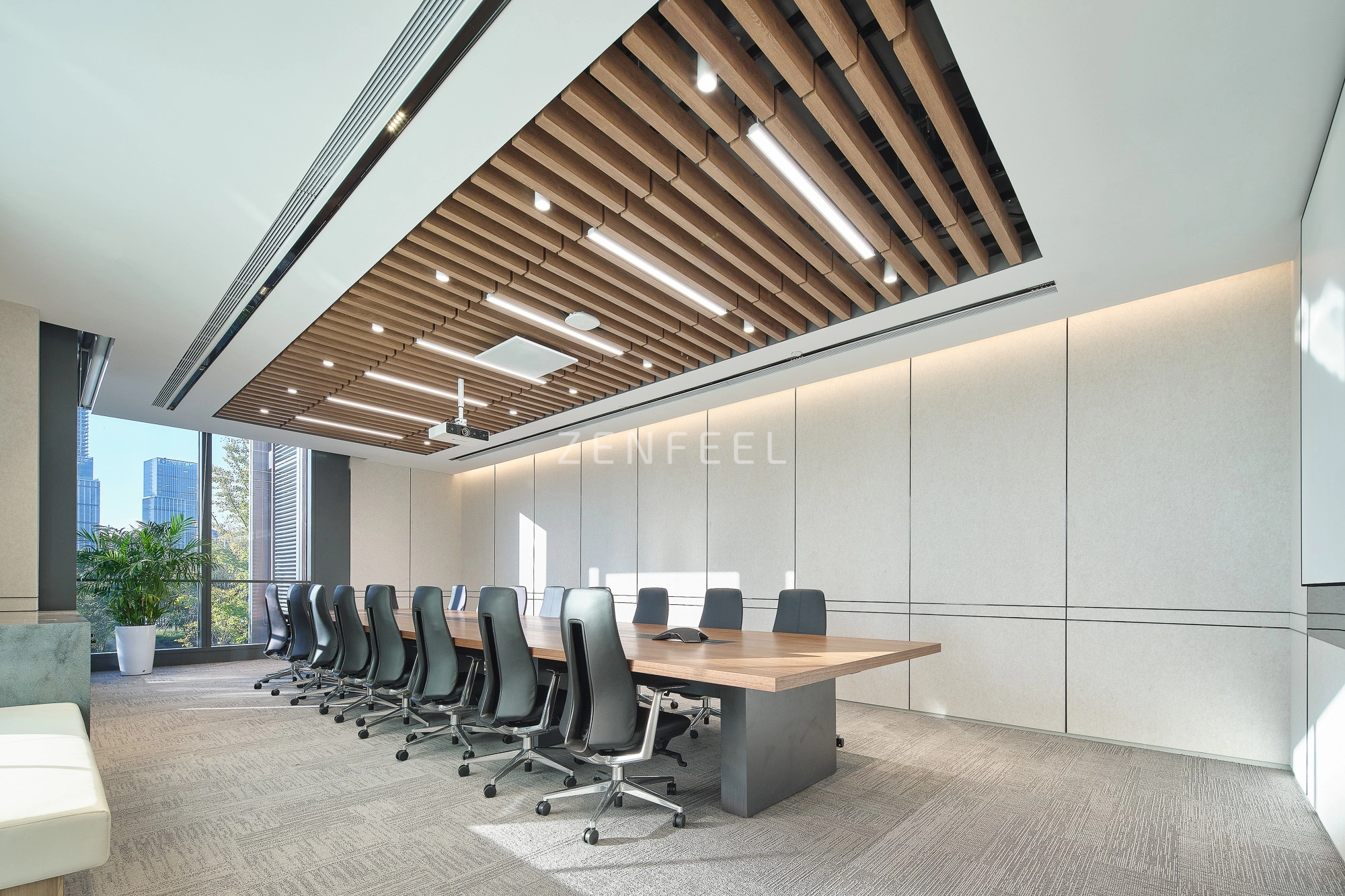
Office acoustic panels have become an essential part of modern workspace design. As open-plan offices, hybrid work environments, and collaborative layouts continue to grow, controlling noise levels is no longer optional—it is a necessity. High-quality office acoustic panels help absorb sound, reduce echo, and improve speech clarity, creating a more productive and comfortable environment.
However, many businesses invest heavily in acoustic solutions but overlook one critical aspect: maintenance and cleaning. Without proper care, even the best acoustic panels can lose performance, accumulate dust, and deteriorate in appearance over time.
This guide provides a complete, practical, and professional overview of how to maintain and clean office acoustic panels to ensure long-term performance, hygiene, and visual appeal.
Understanding Office Acoustic Panels Before Maintenance
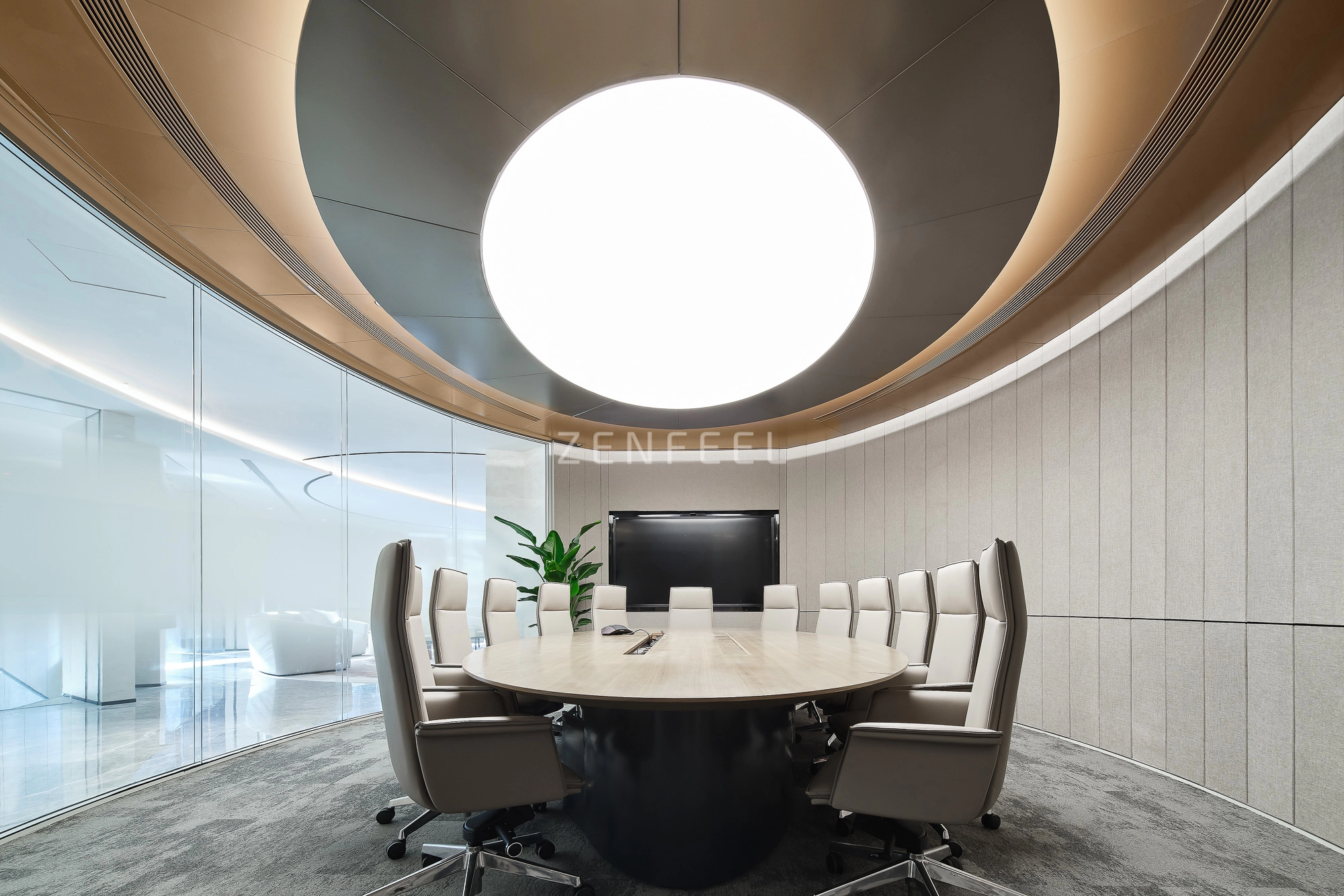
Before discussing cleaning methods, it is important to understand what acoustic panels are made of, because maintenance depends heavily on material type.
Most office acoustic panels fall into the following categories:
1. Fabric-Wrapped Acoustic Panels
These are among the most common types used in offices. They consist of a sound-absorbing core (often fiberglass or polyester fiber) wrapped in decorative fabric.
2. PET Felt Acoustic Panels
Made from recycled polyester fibers, PET panels are eco-friendly and durable.
Pros: Easy maintenance, moisture resistant
Cons: Slightly lower absorption compared to fiberglass in some frequencies
3. Wooden Acoustic Panels
These combine aesthetics with acoustic performance using perforated or slotted wood surfaces.
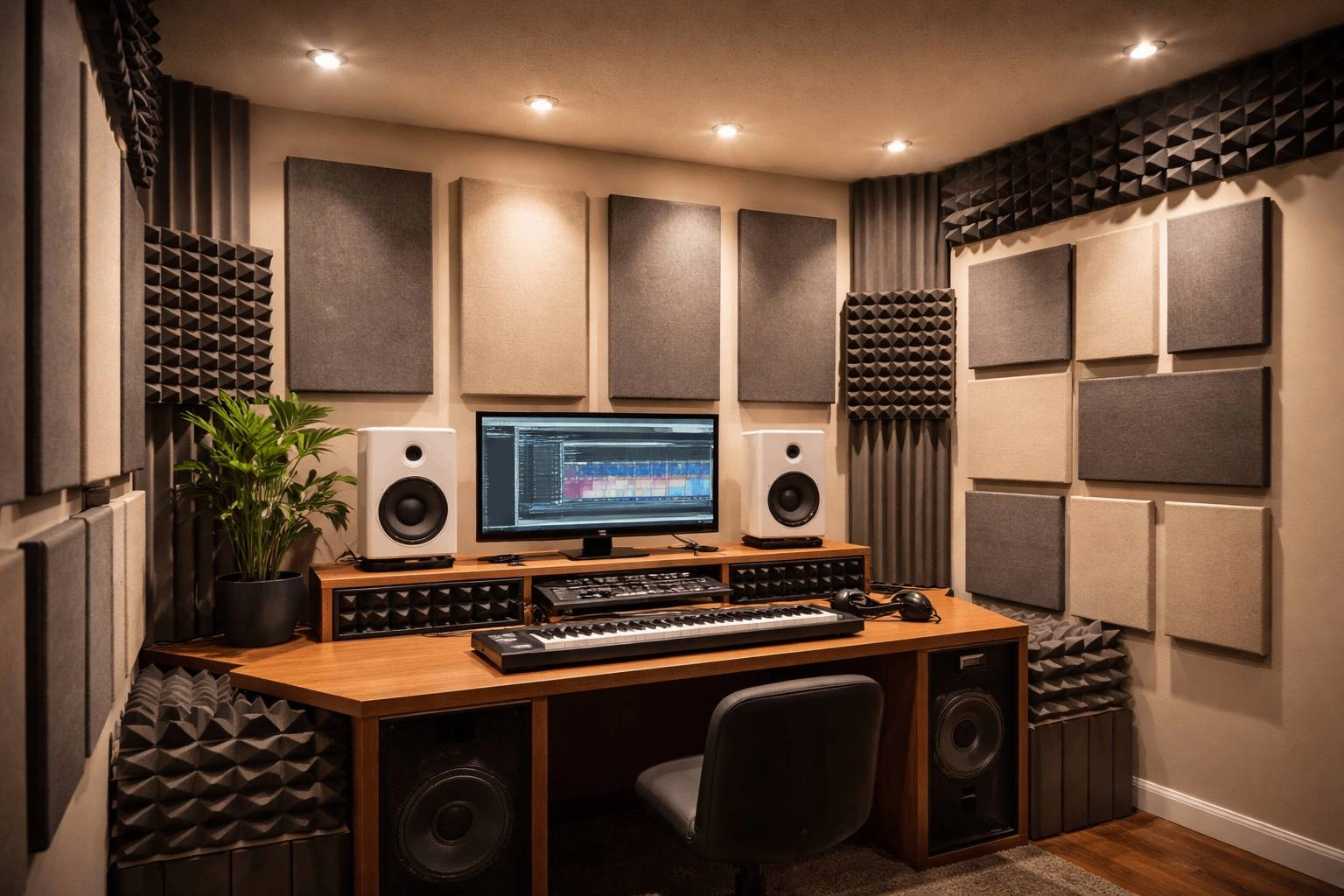
4. Foam Acoustic Panels
Common in budget installations or temporary office setups.
Pros: Lightweight, affordable
Cons: Easily damaged, attracts dust
Understanding your panel type is essential before applying any cleaning method.
Why Maintenance of Office Acoustic Panels Matters
Many companies assume acoustic panels are “install-and-forget” products. In reality, neglecting maintenance can lead to several issues:
1. Reduced Acoustic Performance
Dust particles clog the surface pores of panels, especially fabric and foam types. This reduces their ability to absorb sound waves effectively.
2. Poor Indoor Air Quality
Office panels can trap airborne dust, allergens, and pollutants, which may affect employee health over time.
3. Aesthetic Degradation
Stains, discoloration, and dust accumulation can make offices look unprofessional.
4. Shortened Product Lifespan
Lack of care can degrade both surface materials and internal acoustic structures.
Proper maintenance ensures that panels continue to perform as intended for many years.
General Maintenance Guidelines for Office Acoustic Panels
Regardless of material type, some universal maintenance practices apply to all office acoustic panels.
1. Regular Dusting
Dust accumulation is the most common issue. Use:
Recommended frequency:
2. Avoid Excess Moisture
Most acoustic panels are not designed for heavy water exposure. Excess moisture can:
Always use minimal moisture when cleaning.
3. Maintain Proper Indoor Environment
Humidity and temperature control play a big role in panel durability.
4. Prevent Physical Damage
Avoid:
Pushing furniture directly against panels
Sharp impacts or scratches
Hanging heavy objects without proper support
Cleaning Methods Based on Panel Types
Different materials require different cleaning approaches. Using the wrong method can permanently damage your acoustic panels.
1. Cleaning Fabric-Wrapped Acoustic Panels
Fabric panels are the most sensitive and require careful handling.
Step-by-Step Cleaning Process:
Step 1: Dry Vacuuming
Use a vacuum cleaner with a soft brush attachment. Gently remove dust from the surface.
Step 2: Spot Cleaning
For stains:
Mix mild detergent with warm water
Dip a soft cloth into the solution
Gently blot the stained area (do not rub aggressively)
Step 3: Drying
Allow natural air drying. Avoid using heaters or hair dryers.
Important Tips:
2. Cleaning PET Felt Acoustic Panels
PET felt panels are more durable and easier to maintain.
Step-by-Step Cleaning Process:
Step 1: Vacuum or Dust
Use a vacuum or dry cloth to remove surface dust.
Step 2: Wipe with Damp Cloth
Use a slightly damp microfiber cloth to wipe the surface.
Step 3: Deep Cleaning (if needed)
For stubborn stains:
Advantages:
3. Cleaning Wooden Acoustic Panels
Wooden panels require extra care due to their finish and natural material.
Step-by-Step Cleaning Process:
Step 1: Dry Dusting
Use a microfiber cloth or soft brush.
Step 2: Gentle Wiping
Use a slightly damp cloth with wood-safe cleaner.
Step 3: Dry Immediately
Always wipe dry after cleaning to avoid moisture damage.
Important Tips:
4. Cleaning Foam Acoustic Panels
Foam panels are the most delicate type.
Step-by-Step Cleaning Process:
Step 1: Vacuum Only
Do not use water if possible.
Step 2: Compressed Air (Optional)
Use low-pressure air to remove deep dust.
Important Tips:
Deep Cleaning vs Routine Cleaning
Understanding the difference between routine and deep cleaning helps extend panel life.
Routine Cleaning
Frequency: weekly or monthly
Purpose: remove dust and light dirt
Method: vacuuming and light wiping
Deep Cleaning
Frequency: every 6–12 months
Purpose: remove embedded stains and deep contaminants
Method: spot cleaning, mild detergents, controlled moisture
Common Mistakes to Avoid
Even with good intentions, improper cleaning can damage acoustic panels. Avoid the following mistakes:
1. Using Harsh Chemicals
Bleach, ammonia, and strong solvents can destroy fabric and coatings.
2. Over-Wetting Panels
Excess water can lead to mold growth and structural damage.
3. Scrubbing Too Hard
Aggressive cleaning can break fibers or damage acoustic pores.
4. Ignoring Manufacturer Instructions
Each panel type may have specific care requirements.
5. Using Incorrect Tools
Hard brushes or abrasive cloths should never be used.
How Maintenance Impacts Acoustic Performance
Clean acoustic panels perform significantly better than neglected ones.
Sound Absorption Efficiency
Dust buildup reduces airflow through porous materials, lowering sound absorption efficiency.
Speech Clarity in Offices
Dirty panels can increase echo, making communication less clear in meeting rooms.
Employee Comfort
Cleaner environments improve focus, reduce stress, and enhance productivity.
Maintaining panels is not just about appearance—it directly affects workplace performance.
Long-Term Care Strategy for Offices
For businesses using multiple acoustic panels across large office spaces, a maintenance plan is recommended.
Monthly Checklist
Quarterly Checklist
Deep clean selected panels
Evaluate high-traffic areas
Replace damaged sections if needed
Annual Checklist
Full inspection of acoustic system
Professional cleaning if required
Upgrade or replace outdated panels
When to Replace Office Acoustic Panels
Even with good maintenance, panels do not last forever. Replacement may be necessary when:
Fabric is permanently stained
Foam has lost structural integrity
Acoustic performance noticeably declines
Panels are physically damaged or warped
Typical lifespan:
Fabric panels: 5–10 years
PET felt panels: 8–15 years
Wooden panels: 10–20 years (with proper care)
Conclusion
Office acoustic panels play a vital role in creating productive, comfortable, and visually appealing work environments. However, their performance and lifespan depend heavily on proper maintenance and cleaning.
By following the right cleaning methods for each material type, avoiding common mistakes, and implementing a regular maintenance schedule, businesses can ensure their acoustic systems continue to perform at a high level for years.
Ultimately, maintaining office acoustic panels is not just a cleaning task—it is an investment in workplace efficiency, employee well-being, and long-term cost savings.




 +86 18963687089

 en
en it
it es
es hu
hu ja
ja sv
sv pt
pt ms
ms ko
ko ru
ru fr
fr de
de ar
ar