Introduction
Glass partition offices have become a defining feature of modern workplace design. From corporate headquarters and coworking spaces to technology startups and professional service firms, glass walls are widely used to create open, bright, and visually connected work environments. They allow natural light to flow throughout the office, enhance aesthetics, and foster collaboration while maintaining a degree of physical separation between teams.
However, despite their many advantages, glass partition offices often face a significant challenge: poor acoustics. Glass is a highly reflective material that allows sound waves to bounce throughout a space, creating echoes, reverberation, and speech distractions. Employees may struggle to concentrate, meetings can become less effective, and overall workplace comfort may decline.
To address these issues, many organizations are turning to office acoustic panels as an effective and cost-efficient solution. Properly designed acoustic treatments can dramatically improve sound quality, reduce distractions, and create a more productive working environment without sacrificing the visual appeal of glass office designs.
This guide explores why acoustic challenges occur in glass partition offices, how acoustic panels solve these problems, and what businesses should consider when selecting the right acoustic solution.
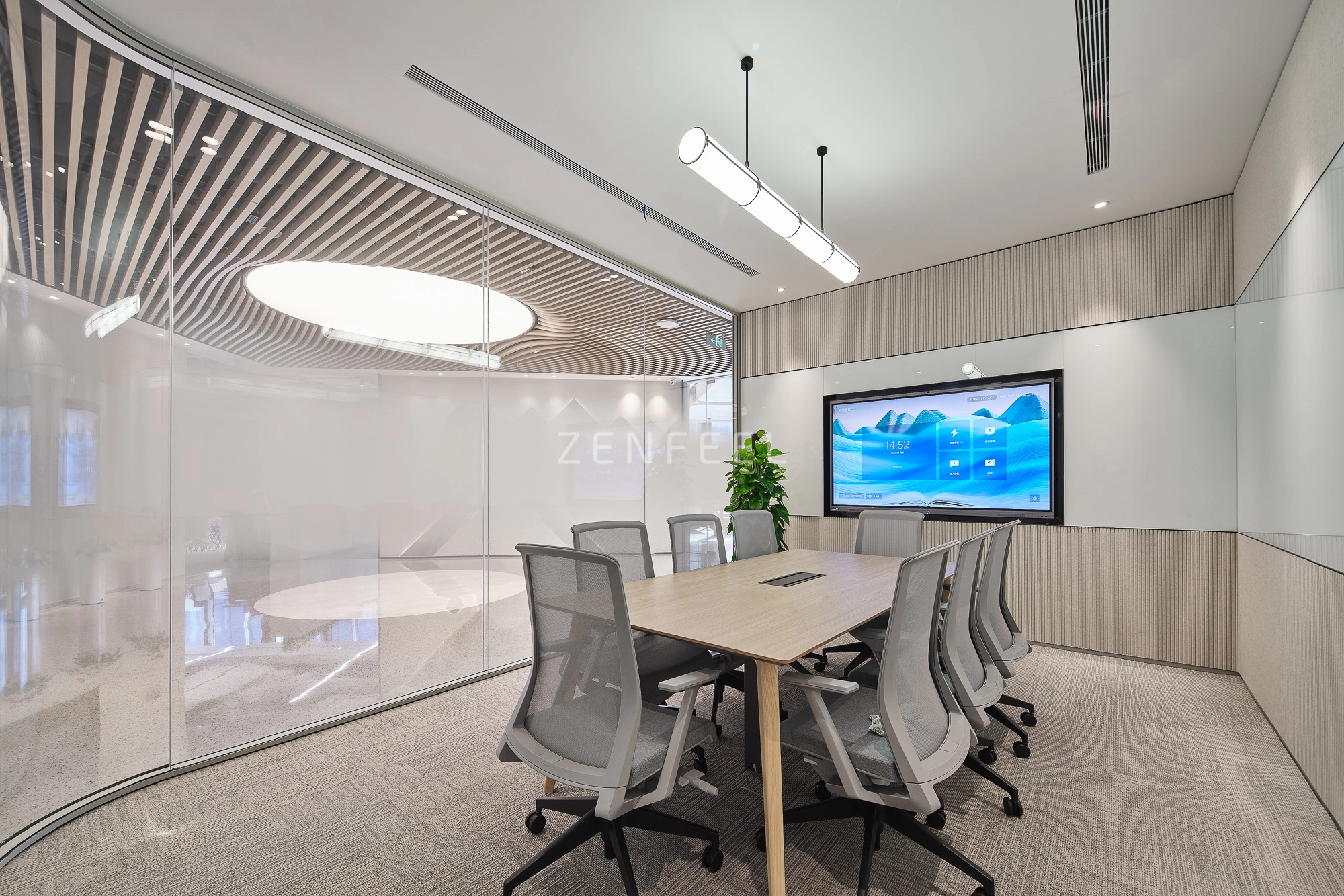
Why Glass Partition Offices Create Acoustic Challenges
Modern office architecture often prioritizes transparency and openness. Glass partitions support these goals by replacing traditional solid walls with sleek, light-transmitting surfaces.
While visually appealing, glass has one major disadvantage: it reflects sound extremely well.
Unlike porous materials that absorb sound energy, glass surfaces bounce sound waves back into the room. When multiple glass partitions are used throughout an office, these reflections accumulate and create several acoustic problems.
Common issues include:
The larger the glass-covered area, the more noticeable these acoustic problems become.
The Impact of Poor Acoustics on Workplace Productivity
Noise is more than just an annoyance. Numerous workplace studies have shown that excessive noise can negatively affect employee performance and well-being.
In glass-heavy office environments, employees often experience:
Reduced Concentration
Conversations from neighboring workstations can easily travel through open spaces and reflective surfaces. Employees performing tasks that require focus may find themselves frequently distracted.
Increased Stress Levels
Constant exposure to background noise can contribute to mental fatigue and workplace stress. Over time, this can affect employee satisfaction and engagement.
Communication Difficulties
When sound reflections overlap with direct speech, conversations become harder to understand. Meeting participants may need to repeat themselves, reducing communication efficiency.
Lower Meeting Effectiveness
Conference rooms with large glass surfaces often suffer from poor speech clarity. Echo and reverberation can make in-person and virtual meetings less productive.
These challenges highlight the importance of integrating acoustic treatment into glass partition office designs.
How Office Acoustic Panels Improve Glass Partition Offices
Office acoustic panels are designed to absorb sound energy rather than reflect it. By reducing sound reflections, they help create a balanced acoustic environment where speech is clear and distractions are minimized.
Unlike structural soundproofing systems, acoustic panels focus on improving the quality of sound within a space.
When installed strategically, acoustic panels can:
Reduce reverberation
Improve speech intelligibility
Lower ambient noise levels
Enhance privacy
Improve employee comfort
Support hybrid and virtual meetings
For offices with extensive glass partitions, acoustic panels often provide the most practical and visually appealing acoustic solution.
Understanding Sound Reflection in Glass Environments
To understand why acoustic treatment is necessary, it helps to examine how sound behaves around glass.
When someone speaks in a room, sound waves travel outward in all directions. Soft materials absorb some of these waves, while hard materials reflect them.
Glass reflects a significant percentage of sound energy.
As sound waves bounce between multiple glass surfaces, they continue reflecting throughout the room, creating a buildup of noise. This phenomenon is particularly noticeable in:
Meeting rooms
Open-plan offices
Reception areas
Executive offices
Coworking environments
Acoustic panels interrupt this reflection cycle by capturing sound energy before it can continue bouncing around the space.
Types of Acoustic Panels Suitable for Glass Partition Offices
Different acoustic products can be used depending on the office layout, design goals, and acoustic requirements.
Fabric-Wrapped Acoustic Panels
Fabric-wrapped panels are among the most popular solutions for commercial offices.
Benefits include:
These panels can be installed on available wall surfaces adjacent to glass partitions.
PET Felt Acoustic Panels
Made from recycled polyester fibers, PET felt panels have become increasingly popular in sustainable office design.
Advantages include:
Lightweight construction
Durable performance
Modern aesthetic
Eco-friendly materials
Easy maintenance
PET felt products are available in numerous colors and can be cut into custom shapes for creative office interiors.
Acoustic Ceiling Panels
When wall space is limited due to extensive glass installations, ceiling-mounted acoustic panels provide an effective alternative.
These systems absorb sound from above while preserving the transparency of glass walls.
They are especially effective in:
Open offices
Collaborative spaces
Conference rooms
Reception areas
Acoustic Baffles and Clouds
Suspended acoustic baffles and clouds are ideal for large offices with exposed ceilings.
They offer:
High sound absorption
Modern architectural appeal
Flexible installation options
Enhanced acoustic coverage
Many architects prefer these solutions because they improve acoustics without obstructing sightlines.
Best Locations for Acoustic Panel Installation
The effectiveness of acoustic treatment depends heavily on placement.
In glass partition offices, strategic installation is often more important than simply increasing the number of panels.
Around Meeting Rooms
Meeting rooms typically contain multiple reflective surfaces, including glass walls, tables, and screens.
Installing acoustic panels nearby can significantly improve speech clarity and reduce echo during discussions and video conferences.
Shared Work Areas
Open workspaces often experience the highest levels of conversational noise.
Adding acoustic wall or ceiling treatments helps create a more comfortable environment for focused work.
Hallways and Circulation Areas
Corridors with glass partitions can amplify footsteps and conversations.
Acoustic treatments in these areas help prevent noise from spreading throughout the office.
Reception Areas
Reception spaces frequently feature hard surfaces and high ceilings.
Acoustic panels improve visitor comfort while reducing overall noise levels.
Acoustic Panels and Workplace Privacy
One common misconception is that acoustic panels provide complete soundproofing.
In reality, acoustic panels and soundproofing serve different purposes.
Acoustic panels improve sound quality by reducing reflections and reverberation. They do not completely prevent sound from traveling through glass partitions.
However, by reducing overall noise levels and controlling speech reflections, acoustic panels can improve perceived privacy and reduce the intelligibility of conversations at a distance.
For offices requiring greater confidentiality, acoustic panels can be combined with:
Acoustic glass
Privacy films
Soundproof doors
Insulated wall systems
This integrated approach creates a more private and comfortable workspace.
Supporting Hybrid Work and Video Conferencing
The rise of hybrid work has increased demand for high-quality office acoustics.
Video conferencing platforms perform best when speech is clear and background noise is minimized.
In glass partition offices, reflected sound can interfere with microphones and create audio challenges for remote participants.
Acoustic panels help by:
As organizations continue to embrace remote collaboration, acoustic treatment is becoming an essential component of conference room design.
Design Benefits Beyond Acoustics
Modern acoustic panels are no longer purely functional products. They are increasingly used as architectural design elements.
Available options include:
These design possibilities allow businesses to improve acoustics while reinforcing brand identity and enhancing workplace aesthetics.
Many contemporary offices intentionally use acoustic panels as feature elements that complement glass partitions rather than compete with them.
Sustainability and Green Building Considerations
Environmental responsibility is becoming a key factor in office construction and renovation projects.
Many acoustic panel manufacturers now offer products made from:
These products can contribute to sustainable building initiatives and support green office design objectives.
Combining energy-efficient glass systems with eco-friendly acoustic solutions allows businesses to create healthier and more sustainable work environments.
Choosing the Right Acoustic Solution for Your Office
Every office has unique acoustic requirements. Before selecting acoustic panels, businesses should evaluate:
Office Layout
Open-plan spaces often require broader acoustic coverage than private offices.
Amount of Glass
The more glass present, the greater the need for sound absorption.
Noise Sources
Different environments generate different types of noise, from conversations to office equipment and collaborative activities.
Design Goals
Acoustic treatments should align with the overall interior design concept.
Future Flexibility
Modular acoustic systems can be expanded or relocated as office needs evolve.
Working with experienced acoustic consultants or interior designers can help ensure the most effective solution.
Conclusion
Glass partition offices offer numerous advantages, including improved aesthetics, increased natural light, and enhanced workplace collaboration. However, the acoustic challenges associated with large glass surfaces should not be overlooked. Excessive sound reflections can reduce productivity, affect communication, and diminish overall employee comfort.
Office acoustic panels provide an effective solution by absorbing sound energy, reducing reverberation, and creating a more balanced acoustic environment. Whether installed on walls, ceilings, or as suspended architectural features, these systems help transform noisy glass offices into productive and comfortable workspaces.
As modern workplace design continues to evolve, integrating acoustic treatment into glass partition environments is no longer a luxury—it has become an essential component of creating offices that support communication, focus, well-being, and long-term business success.




 +86 18963687089

 en
en it
it es
es hu
hu ja
ja sv
sv pt
pt ms
ms ko
ko ru
ru fr
fr de
de ar
ar