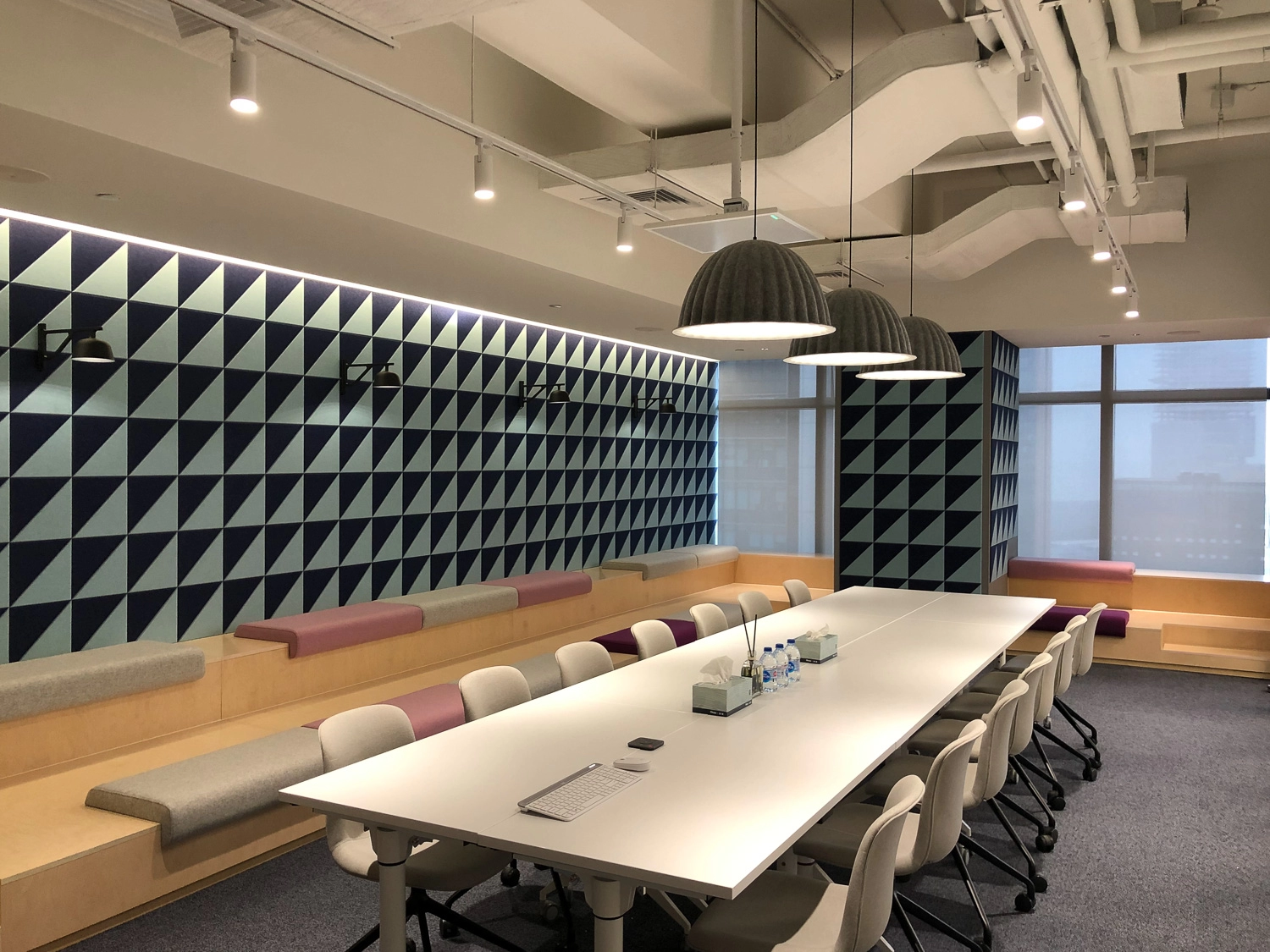
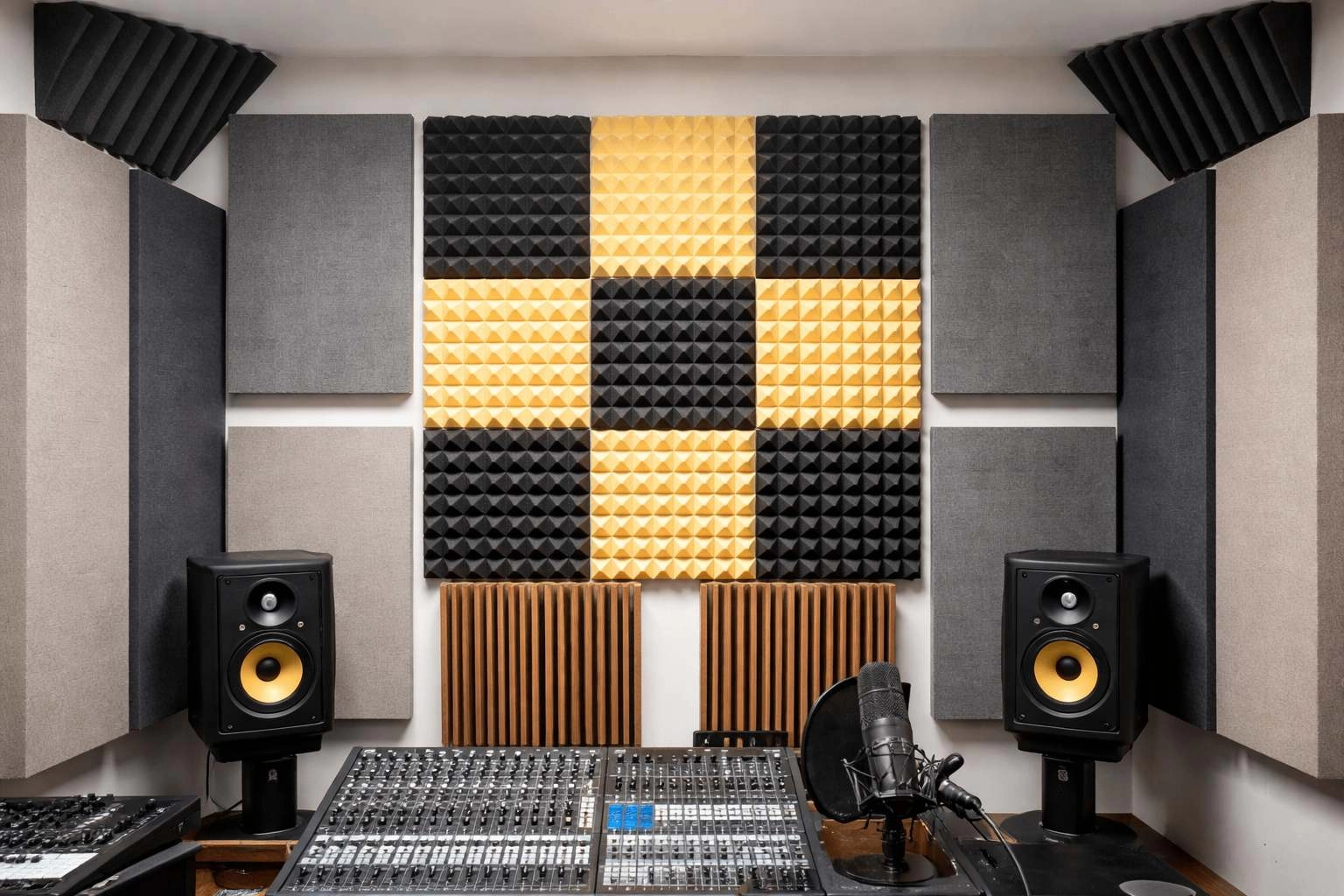
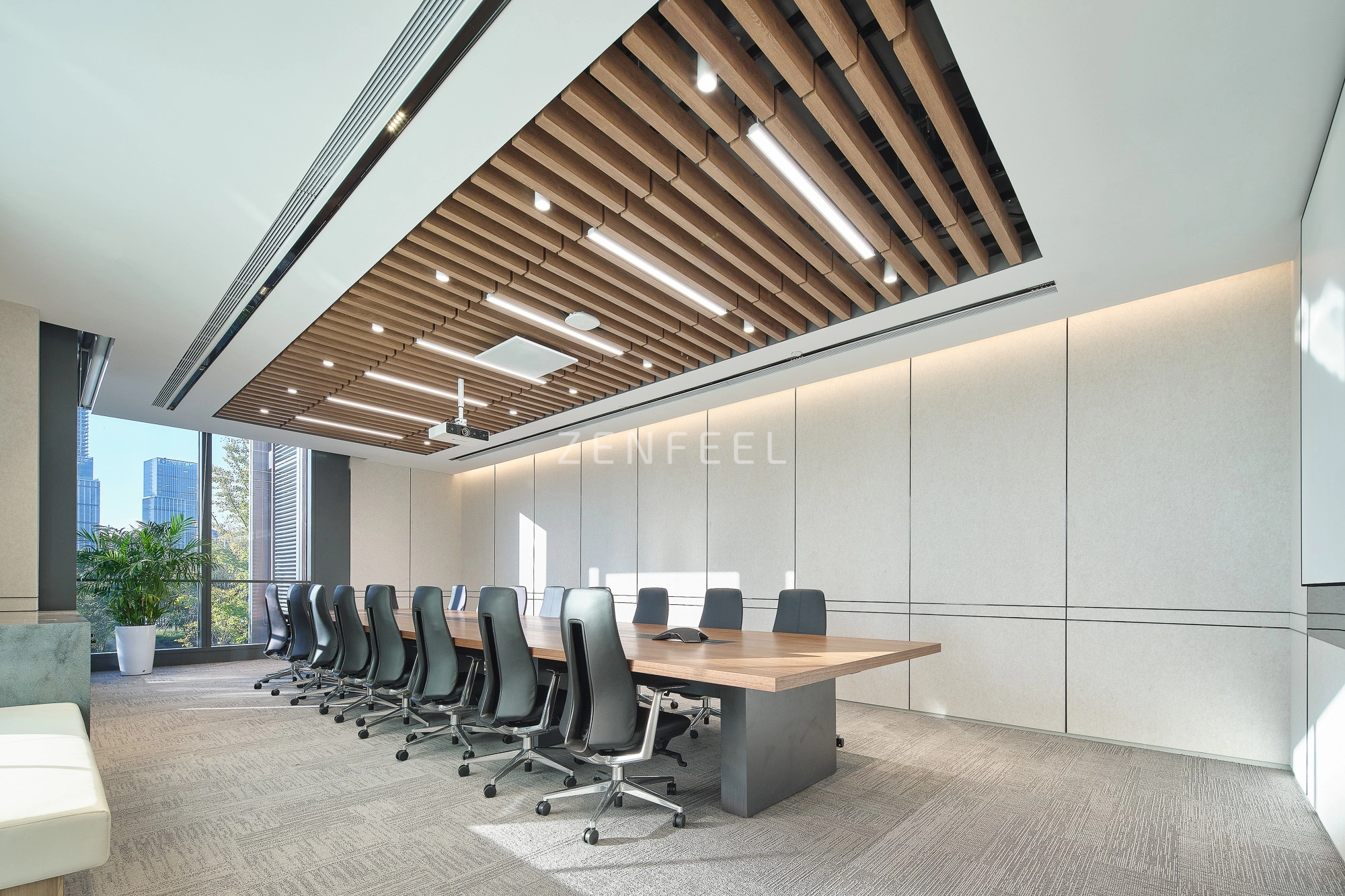
As modern workplaces continue to evolve, demand for high-performance sound control solutions is growing rapidly. Businesses, contractors, and distributors are increasingly sourcing office acoustic panels through OEM (Original Equipment Manufacturer) services to achieve better customization, competitive pricing, and consistent product quality.
Whether you are a brand owner, project contractor, distributor, or interior design company, understanding how OEM production works is essential for building a reliable supply chain and delivering high-quality acoustic solutions to clients.
This complete buyer’s guide will walk you through everything you need to know about OEM office acoustic panels, including how they are manufactured, what to look for in a supplier, key customization options, quality control considerations, and how to avoid common sourcing mistakes.
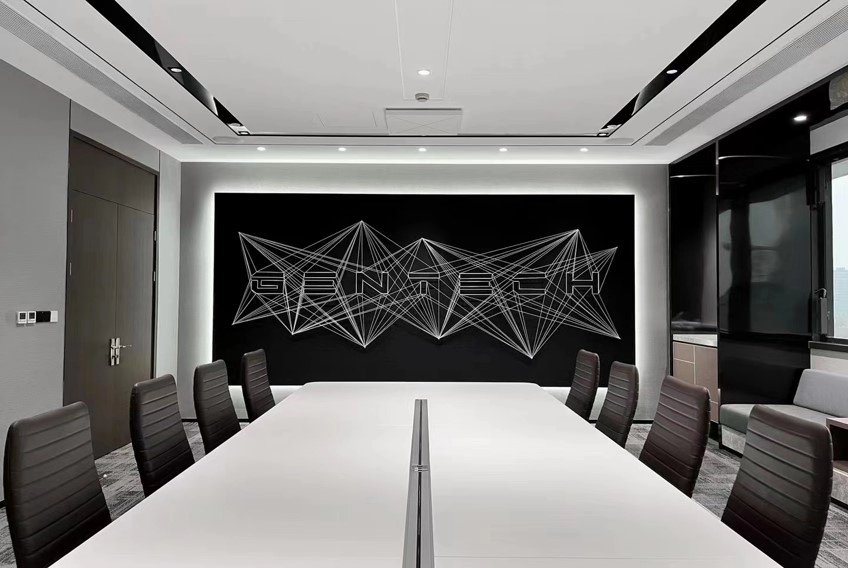
What Are OEM Office Acoustic Panels?
OEM office acoustic panels refer to sound-absorbing panels that are manufactured by one company based on the design, specifications, and branding requirements of another company.
In simple terms, you provide the idea, and the manufacturer produces it under your brand.
These panels are widely used in:
Corporate offices
Conference rooms
Call centers
Co-working spaces
Educational environments
Commercial buildings
The core function remains the same: to improve acoustic comfort by reducing echo and controlling sound reflection. However, OEM production allows businesses to fully customize the look, performance, and branding of the panels.
Why OEM Office Acoustic Panels Are in High Demand
The global demand for office acoustic panels has increased significantly due to changes in workplace design trends.
Key Drivers Include:
Growth of open-plan offices
Hybrid work environments
Increased focus on employee well-being
Demand for customized interior design solutions
Expansion of commercial real estate projects
OEM manufacturing provides flexibility that standard products cannot offer.
Main Advantages of OEM Production:
For many businesses, OEM is the most efficient way to scale acoustic product offerings.
Understanding the OEM Manufacturing Process
To successfully source OEM office acoustic panels, it is important to understand how the production process works.
1. Requirement Analysis
The process begins with defining:
Panel type (wall, ceiling, divider)
Acoustic performance level (NRC rating)
Material selection
Design and aesthetics
Installation method
Clear specifications ensure accurate production.
2. Design Development
Manufacturers create:
This stage ensures the product meets both acoustic and visual expectations.
3. Material Selection
Common materials include:
Material choice directly affects both performance and price.
4. Sample Production
Before mass production, OEM buyers typically receive samples to verify:
Acoustic performance
Color accuracy
Structural quality
Surface finishing
5. Mass Production
Once approved, production begins under strict quality control systems.
6. Quality Inspection and Packaging
Final inspection ensures:
Key Factors to Consider When Choosing an OEM Supplier
Selecting the right manufacturer is critical for long-term success.
1. Manufacturing Capability
A reliable OEM supplier of office acoustic panels should have:
In-house production lines
Material processing equipment
Engineering support team
Stable production capacity
Factories with full control over production generally offer better consistency.
2. Customization Flexibility
OEM projects often require high customization levels.
Look for suppliers who can offer:
The more flexible the supplier, the easier it is to meet client demands.
3. Acoustic Performance Standards
Not all panels perform equally.
Check technical specifications such as:
High-quality sound absorbing office panels typically have NRC values above 0.7.
4. Certifications and Compliance
For commercial projects, compliance is essential.
Important certifications include:
Fire resistance (Class A or equivalent)
Environmental certifications (low VOC)
ISO quality management standards
Recyclability certifications
These ensure safety and regulatory compliance in office environments.
5. OEM Experience and Export Capability
Experienced suppliers understand:
International shipping requirements
Packaging standards
Documentation for customs
Global project coordination
This reduces risks in large-scale procurement.
Types of OEM Office Acoustic Panels
Different projects require different acoustic solutions.
1. Wall Acoustic Panels
Most commonly used for:
Meeting rooms
Open offices
Private offices
They reduce echo and improve speech clarity.
2. Ceiling Acoustic Panels
Used in:
Large open-plan offices
High-ceiling spaces
Conference halls
They control vertical sound reflection.
3. Decorative Acoustic Panels
These combine function and design:
Printed panels
Artistic wall systems
Brand-integrated designs
They enhance visual aesthetics while controlling noise.
4. Acoustic Room Dividers
Used for:
Space separation
Privacy improvement
Flexible office layouts
OEM Customization Options
One of the biggest advantages of OEM production is customization.
Common Custom Features:
This allows businesses to create unique commercial office acoustic panels tailored to specific projects.
Cost Factors in OEM Office Acoustic Panels
Pricing depends on several variables.
Key Cost Drivers:
Generally, larger OEM orders significantly reduce per-unit cost.
Quality Control in OEM Production
Quality control is essential to ensure consistency.
Important QC Checks:
A strong QC system ensures reliable office acoustic panels for large-scale projects.
Common Mistakes Buyers Should Avoid
Many OEM buyers face avoidable challenges.
Mistake 1: Choosing based only on price
Low cost often means compromised quality.
Mistake 2: Skipping sample testing
Samples help verify real performance.
Mistake 3: Ignoring certifications
Non-compliant products can cause legal issues.
Mistake 4: Poor communication with suppliers
Misunderstandings lead to production errors.
Mistake 5: Not planning logistics early
Shipping delays can disrupt project timelines.
How OEM Office Acoustic Panels Benefit Businesses
OEM sourcing provides long-term strategic advantages.
1. Brand Differentiation
Custom designs help companies stand out in competitive markets.
2. Better Profit Margins
Manufacturing directly reduces procurement costs.
3. Scalability
OEM production supports large commercial projects.
4. Product Consistency
Standardized manufacturing ensures uniform quality.
5. Market Flexibility
Businesses can quickly adapt designs for different clients.
Global Market Trends in Acoustic Panels
The office acoustic panels industry is evolving rapidly.
Key Trends:
Sustainable materials (recycled PET)
Modular acoustic systems
Smart acoustic integration
Architectural acoustic design
Hybrid workspace solutions
OEM manufacturers are increasingly focusing on eco-friendly and customizable solutions.
How to Build a Long-Term OEM Partnership
Successful sourcing is not just about one-time purchases.
Best Practices:
Maintain clear communication
Share long-term forecasts
Provide feedback on product performance
Develop multiple product variations
Build trust through consistent orders
Strong partnerships lead to better pricing and priority production support.
Final Thoughts
OEM production of office acoustic panels offers businesses a powerful way to combine customization, cost efficiency, and high-quality performance. However, success depends on choosing the right manufacturer, clearly defining specifications, and implementing strict quality control processes.
By understanding how OEM manufacturing works and what factors influence quality and cost, buyers can make smarter decisions and build reliable supply chains for long-term growth.
Whether you are developing a new product line or sourcing solutions for commercial projects, OEM acoustic panels provide the flexibility and scalability needed to meet modern office design demands.




 +86 18963687089

 en
en it
it es
es hu
hu ja
ja sv
sv pt
pt ms
ms ko
ko ru
ru fr
fr de
de ar
ar