Office acoustic panels have become an essential part of modern workspace design. As businesses continue to adopt open-plan layouts, collaborative environments, and glass-heavy interiors, controlling noise has become increasingly important. Acoustic panels help reduce echo, improve speech clarity, and create a more comfortable and productive working atmosphere.
However, installing office acoustic panels is only the first step. To ensure they continue performing effectively over time, proper maintenance is essential. Without regular care, dust accumulation, material aging, and improper handling can reduce their sound absorption performance and shorten their lifespan.
This article provides a comprehensive guide to maintaining office acoustic panels for long-term use, covering cleaning methods, environmental considerations, inspection routines, and best practices for different types of materials.
1. Why Maintenance of Office Acoustic Panels Matters
Many businesses assume that acoustic panels are “install and forget” solutions. While it is true that they are low-maintenance compared to mechanical systems, they still require periodic care.
Proper maintenance ensures:
Consistent sound absorption performance
Longer product lifespan
Better office hygiene and air quality
Preservation of aesthetic appearance
Reduced replacement costs
Over time, dust, humidity, and accidental damage can negatively affect acoustic materials. For example, clogged surface pores reduce sound absorption efficiency, while moisture exposure may cause deformation or mold growth in certain materials.
Maintaining panels is therefore not just about appearance, but also about preserving their functional performance.
2. Understanding Different Types of Acoustic Panels Before Maintenance
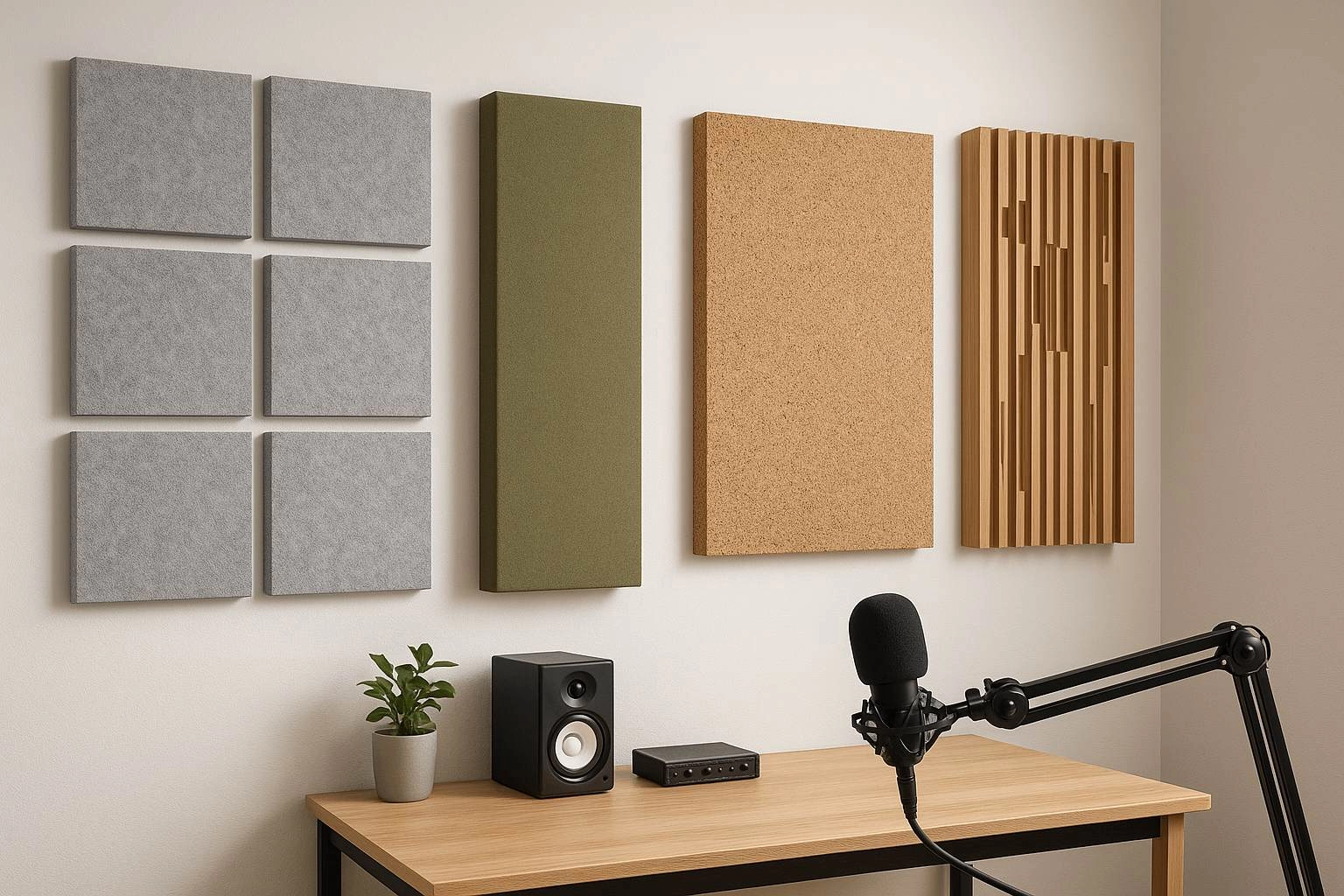
Maintenance methods vary depending on the material used. Office acoustic panels are commonly made from:
Polyester fiber (PET) panels
Fabric-wrapped fiberglass or mineral wool panels
Wooden acoustic panels
Acoustic foam panels
Glass wool or rock wool panels
Each material reacts differently to cleaning methods, humidity, and physical contact. Understanding the type of panel installed in your office is the first step in developing a proper maintenance strategy.
3. Routine Dust Cleaning: The Most Important Maintenance Step
Dust accumulation is the most common issue affecting acoustic panels. Because most panels are porous, they naturally attract airborne particles over time.
Recommended cleaning methods:
Vacuum cleaning
Use a vacuum cleaner with a soft brush attachment to gently remove dust from the surface. This is especially effective for fabric-wrapped and PET panels.
Dry microfiber cloth
For light dust, a dry microfiber cloth can be used to wipe the surface gently without damaging the material.
Compressed air (for hard-to-reach areas)
In ceiling-mounted installations or textured panels, compressed air can help remove dust from small gaps.
Frequency:
Regular dust removal helps maintain acoustic performance and prevents long-term buildup that is harder to clean later.
4. Deep Cleaning Methods for Different Panel Materials
While routine dusting is sufficient for most situations, deeper cleaning may be required periodically.
4.1 PET Acoustic Panels
Polyester fiber panels are relatively easy to maintain.
PET panels dry quickly and resist moisture well, making them one of the easiest materials to maintain.
4.2 Fabric-Wrapped Panels
Fabric surfaces require more careful handling.
Use a vacuum cleaner with low suction
Spot clean stains using mild detergent and water
Test cleaning solution on a small hidden area first
Avoid excessive moisture to prevent fabric deformation
Some high-end fabric panels may also include stain-resistant coatings, which reduce maintenance frequency.
4.3 Wooden Acoustic Panels
Wooden panels are often used in executive offices and premium spaces.
Wipe with a dry or slightly damp microfiber cloth
Use wood-safe cleaning products if necessary
Avoid excessive water exposure
Apply wood polish occasionally to maintain surface finish
It is important not to allow moisture to penetrate the perforations, as this can affect the acoustic backing material.
4.4 Acoustic Foam Panels
Foam panels are more delicate than other materials.
Use a vacuum cleaner on low suction only
Avoid water-based cleaning unless specified by manufacturer
Do not scrub the surface
Replace panels if they become brittle or damaged
Foam materials degrade faster over time, so replacement is sometimes more practical than deep cleaning.
4.5 Glass Wool and Rock Wool Panels
These panels are usually covered with fabric or protective layers.
Clean only the outer surface
Do not expose internal fibers
Vacuum regularly
Avoid puncturing or damaging the protective covering
Direct contact with glass or rock wool fibers should always be avoided for safety reasons.
5. Controlling Environmental Conditions
Environmental factors play a major role in the longevity of acoustic panels.
5.1 Humidity Control
High humidity can damage certain materials, especially foam and wood-based panels.
Maintain indoor humidity between 40%–60%
Use dehumidifiers in damp environments
Avoid installing panels near water sources
5.2 Temperature Stability
Extreme temperature fluctuations can cause expansion or contraction in materials.
Keep office temperature stable
Avoid direct exposure to heating vents or air conditioners
Prevent prolonged sunlight exposure on panels
5.3 Ventilation
Good airflow helps reduce dust buildup and prevents moisture accumulation.
6. Preventing Physical Damage
Acoustic panels can be damaged through accidental impact or improper handling.
Common risks include:
Moving furniture or equipment into wall-mounted panels
Frequent touching or pressing on surfaces
Improper installation causing detachment
Heavy objects leaning against panels
Prevention tips:
Install protective barriers in high-traffic areas
Use reinforced mounting systems
Educate employees on proper handling
Avoid placing heavy items near wall-mounted panels
Physical damage not only affects appearance but also reduces acoustic performance.
7. Regular Inspection and Maintenance Schedule
A structured inspection schedule helps identify issues early before they become serious.
Monthly checks:
Quarterly checks:
Structural integrity of installation
Signs of material wear or deformation
Changes in acoustic performance
Annual checks:
Full acoustic performance evaluation
Replacement planning for damaged panels
Deep cleaning or refurbishment if needed
Regular inspections ensure long-term efficiency and reduce unexpected maintenance costs.
8. Extending the Lifespan of Acoustic Panels
Beyond cleaning and inspection, there are additional strategies to extend panel lifespan.
8.1 Choose high-quality materials initially
Investing in durable materials such as PET or wooden composite panels reduces long-term maintenance requirements.
8.2 Proper installation
Incorrect installation can lead to premature damage. Always ensure:
8.3 Avoid chemical exposure
Harsh cleaning agents can degrade acoustic materials. Always use mild, non-abrasive solutions.
8.4 Rotate or replace modular panels
In modular systems, rotating panels can help distribute wear evenly.
9. Common Maintenance Mistakes to Avoid
Many office managers unintentionally reduce the lifespan of acoustic panels due to improper care.
Mistakes include:
Using excessive water during cleaning
Applying strong chemical cleaners
Ignoring dust buildup for long periods
Scrubbing fabric or foam surfaces aggressively
Installing panels in high-moisture environments without protection
Avoiding these mistakes can significantly improve long-term performance.
10. When to Replace Office Acoustic Panels
Even with proper maintenance, acoustic panels do not last forever. Replacement may be necessary when:
Sound absorption performance noticeably declines
Panels become permanently stained or discolored
Physical damage affects structural integrity
Foam materials begin to crumble or degrade
Office design updates require new aesthetics
Most high-quality panels can last 7–15 years depending on material and environment.
Conclusion
Office acoustic panels are a long-term investment in workplace comfort, productivity, and design quality. However, their effectiveness depends heavily on proper maintenance practices.
Regular dust removal, appropriate cleaning methods for different materials, environmental control, and scheduled inspections all contribute to maintaining optimal acoustic performance. By adopting a proactive maintenance strategy, businesses can extend the lifespan of their acoustic panels, reduce replacement costs, and ensure a consistently comfortable working environment.
Ultimately, well-maintained acoustic panels not only improve sound quality but also enhance the overall professional image of the office space.




 +86 18963687089

 en
en it
it es
es hu
hu ja
ja sv
sv pt
pt ms
ms ko
ko ru
ru fr
fr de
de ar
ar