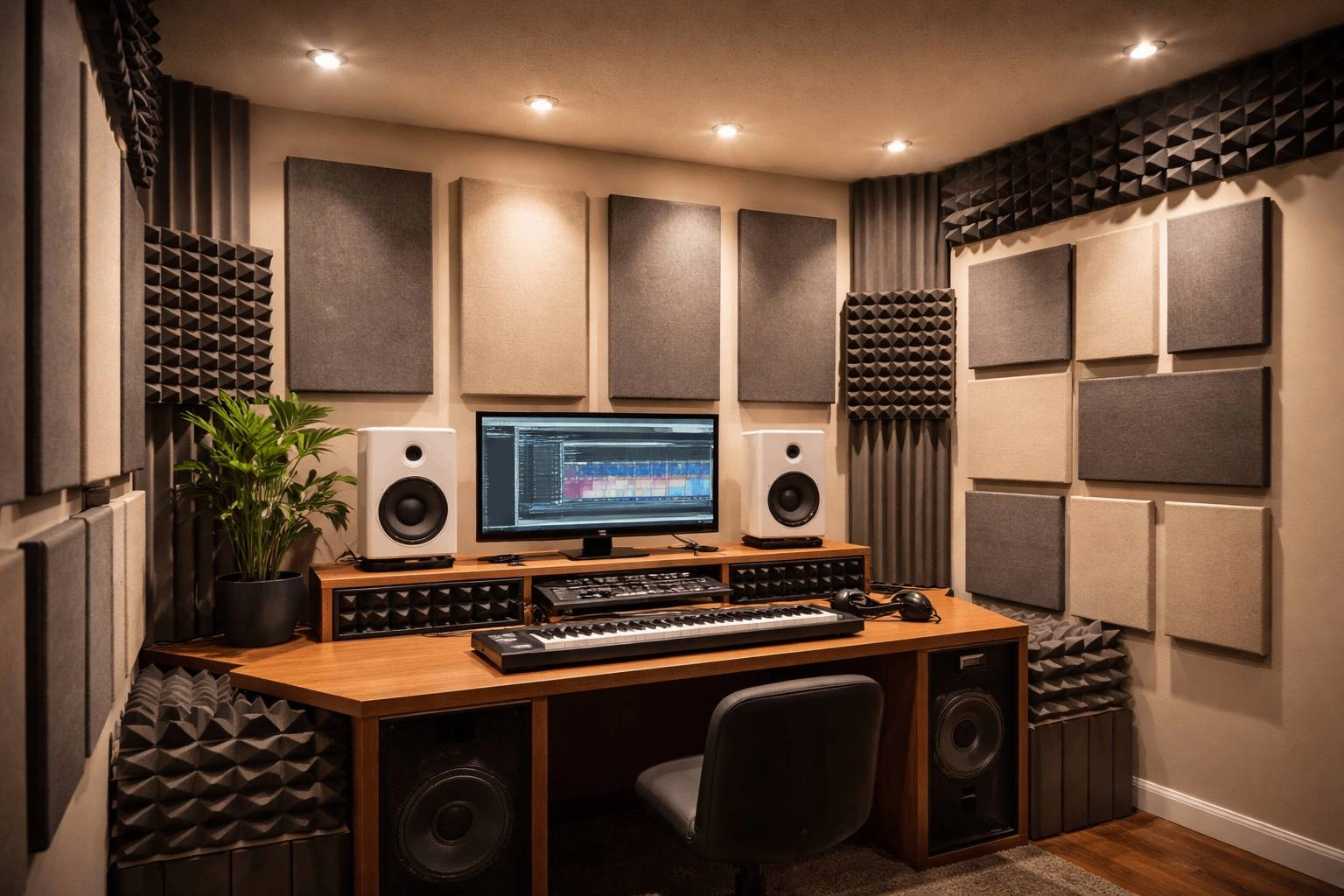
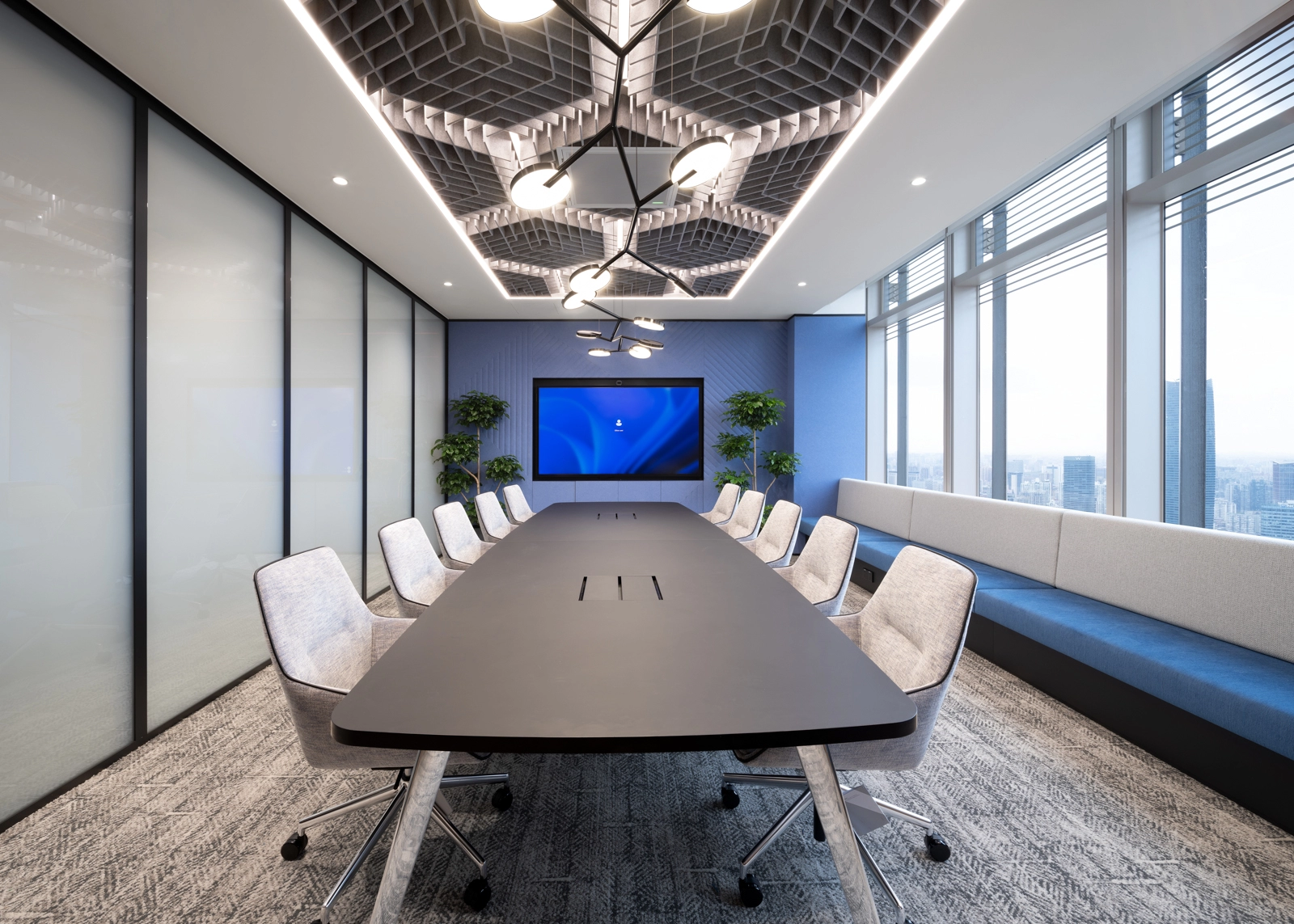
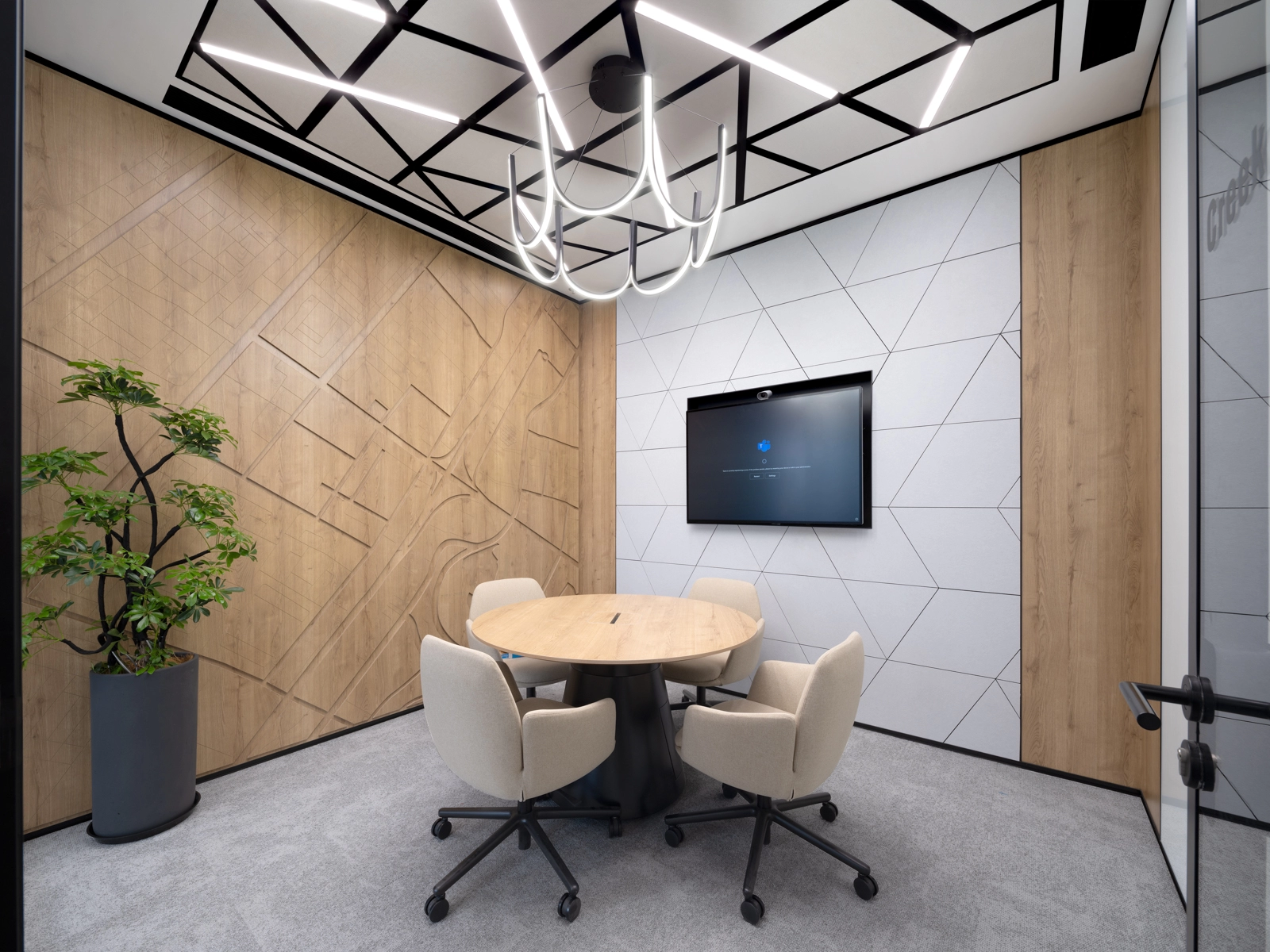
In today’s modern office environments, creating a workspace that is both aesthetically pleasing and acoustically comfortable has become a priority for businesses aiming to enhance productivity and employee satisfaction. One of the most innovative solutions achieving this balance is office acoustic panels that double as decorative wall art. These multifunctional panels not only reduce unwanted noise but also transform mundane office walls into visual masterpieces.
Understanding the Need for Acoustic Panels in Offices
Open-plan offices, though designed to promote collaboration, often suffer from excessive noise levels that can hinder focus, reduce productivity, and increase stress among employees. Traditional walls and partitions can only do so much to dampen sound, and the increasing prevalence of video calls and collaborative workspaces has made noise control even more critical.
This is where acoustic panels come in. Office acoustic panels are designed to absorb sound, minimizing echo and reducing ambient noise. They are typically made from materials such as foam, fabric, or felt, each with unique sound-absorbing properties. By strategically placing these panels throughout the office—on walls, ceilings, or even furniture—companies can create a quieter, more focused working environment.
The Rise of Decorative Acoustic Panels
While traditional acoustic panels are effective, their utilitarian design often clashes with modern office aesthetics. Enter decorative office acoustic panels, which combine high-performance sound absorption with innovative design. These panels can feature vibrant colors, geometric patterns, custom shapes, and even printed images, allowing businesses to maintain a professional yet visually engaging office environment.
The beauty of decorative acoustic panels is that they serve a dual purpose: controlling sound and enhancing the visual appeal of the office. They are no longer just functional items tucked away on walls—they become statement pieces that contribute to the office’s overall design theme.
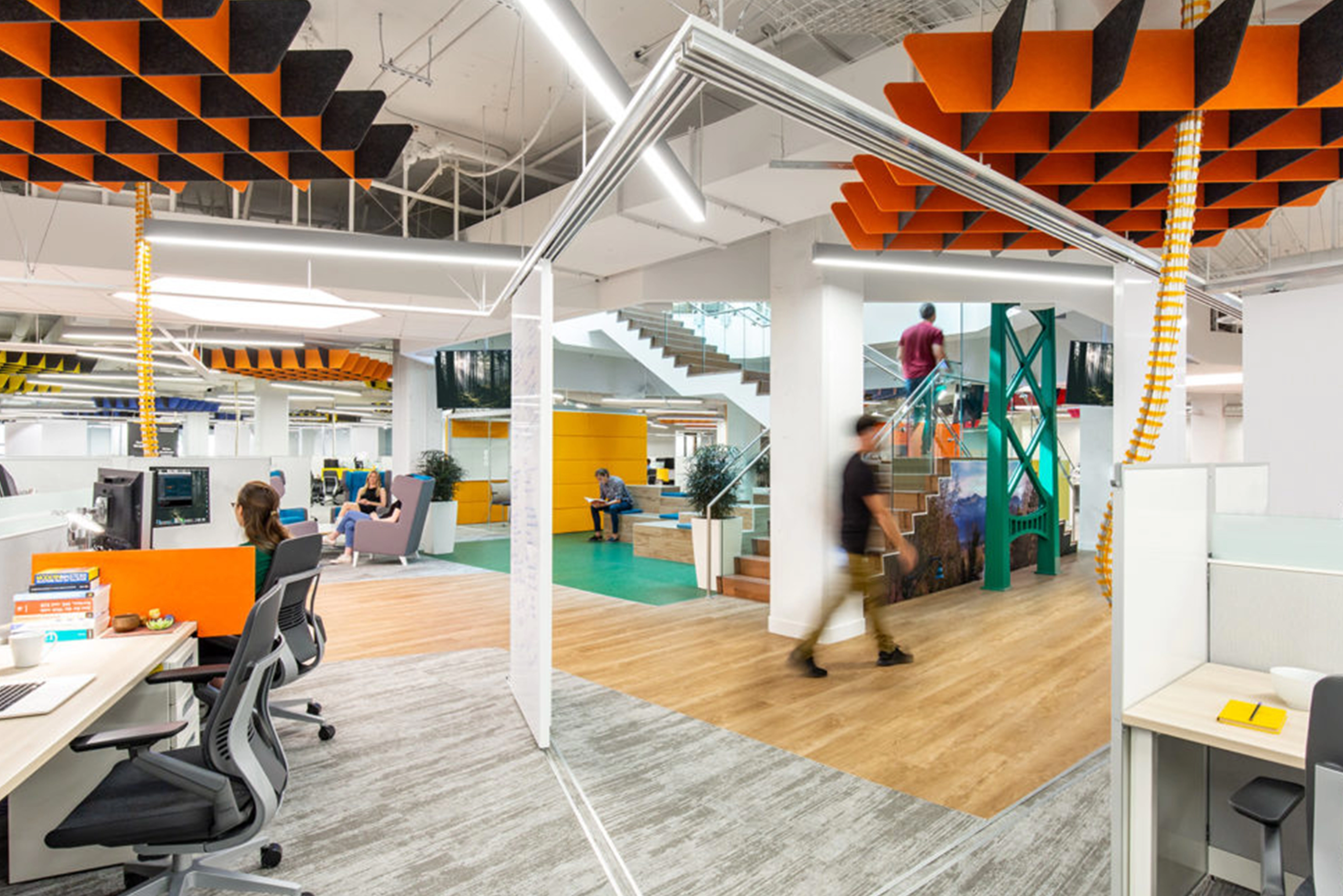
Types of Decorative Office Acoustic Panels
Fabric-Wrapped Panels
Fabric-wrapped acoustic panels are one of the most popular choices. They consist of sound-absorbing cores wrapped in decorative fabric. These panels are available in countless colors and textures, making it easy to match them with your office’s interior design. Some even allow for custom graphics or logos, reinforcing brand identity while controlling noise.
Printed Acoustic Panels
Printed panels take customization to the next level. Using high-quality printing techniques, these panels can display artwork, motivational quotes, or photographic images. This approach turns functional panels into visually striking wall art that enhances creativity and inspiration in the workspace.
3D and Sculptural Panels
For offices that want a bold, modern look, 3D acoustic panels offer both aesthetic appeal and acoustic performance. These panels come in sculptural shapes, wave patterns, and geometric designs, adding depth and texture to walls while absorbing sound effectively.
Wooden Acoustic Panels
Wooden acoustic panels blend natural warmth with modern functionality. Designed with perforations or slats, these panels absorb sound while showcasing the elegance of natural materials. They are especially suitable for executive offices or conference rooms seeking a sophisticated appearance.
Benefits of Using Decorative Acoustic Panels
1. Noise Reduction Without Sacrificing Style
The primary function of any acoustic panel is sound absorption. Decorative panels accomplish this while integrating seamlessly into the office décor. Employees no longer have to choose between a visually appealing space and a quiet working environment—they can have both.
2. Customization and Branding Opportunities
Decorative acoustic panels can be fully customized to reflect your brand identity. Companies can print logos, slogans, or brand colors on panels, reinforcing their corporate image. This creates a cohesive environment that aligns with the company’s ethos and enhances employee pride.
3. Enhanced Employee Wellbeing
Noise is one of the leading causes of workplace stress. By incorporating office acoustic panels that double as decorative wall art, organizations can reduce auditory distractions, improve concentration, and create a more pleasant working environment. This, in turn, can boost morale, reduce turnover, and improve overall employee wellbeing.
4. Versatility Across Office Spaces
Decorative acoustic panels are suitable for various office areas, including open-plan workspaces, conference rooms, reception areas, and even breakout zones. Each panel can be strategically positioned to optimize both acoustic performance and visual appeal, creating a harmonious balance between function and design.
Installation Tips for Decorative Acoustic Panels
To maximize both acoustic performance and aesthetic impact, consider the following installation strategies:
Focus on High-Traffic Noise Zones
Identify areas where noise is most prevalent, such as open desks, collaboration zones, or near break rooms. Installing panels in these locations ensures maximum noise reduction.
Mix Materials and Shapes
Combining different panel shapes, sizes, and materials can create a dynamic, visually interesting wall design. For instance, mixing 3D panels with printed or fabric-wrapped panels adds depth and variety.
Consider Ceiling and Partition Panels
Walls are not the only surfaces where panels can be effective. Ceiling-mounted panels and freestanding partition panels can further reduce noise levels while offering additional design opportunities.
Professional Installation vs. DIY
While some panels are easy to install, complex designs may require professional installation to ensure proper sound absorption and alignment. Consulting an acoustic expert can help achieve optimal results.
Choosing the Right Panels for Your Office
When selecting decorative acoustic panels, consider the following factors:
Sound Absorption Rating (NRC): The Noise Reduction Coefficient (NRC) measures a panel’s ability to absorb sound. For offices, panels with an NRC of 0.7 or higher are generally recommended.
Material and Fire Safety: Ensure panels are made from safe, non-toxic materials and meet local fire safety regulations.
Aesthetic Compatibility: Choose colors, patterns, and textures that complement your office’s existing design.
Durability and Maintenance: Select panels that are durable and easy to clean, particularly in high-traffic areas.
Case Study: Transforming an Open-Plan Office
A mid-sized tech company recently redesigned its open-plan office using decorative acoustic panels. The project included fabric-wrapped panels in the main workspace, printed panels with inspirational graphics in the breakout area, and 3D sculptural panels in the reception.
The results were remarkable: noise complaints decreased by 40%, employee concentration improved, and the office gained a modern, inviting look. Additionally, clients visiting the office were impressed by the creative and professional environment, highlighting the dual benefits of decorative acoustic panels.
Future Trends in Office Acoustic Panels
As offices continue to evolve, the demand for decorative acoustic solutions is expected to grow. Emerging trends include:
Interactive Panels: Panels that integrate LED lights, screens, or interactive elements for both design and functionality.
Sustainable Materials: Eco-friendly panels made from recycled or biodegradable materials.
Modular Designs: Flexible panels that can be reconfigured to adapt to changing office layouts.
These trends suggest that decorative acoustic panels will not only remain a staple in modern offices but also evolve into multifunctional elements that combine technology, design, and acoustic performance.
Conclusion
Office acoustic panels that double as decorative wall art represent a perfect fusion of style and functionality. They address the critical need for noise reduction in open offices while enhancing visual appeal, supporting brand identity, and promoting employee wellbeing. From fabric-wrapped panels to 3D sculptural designs, there is a solution to fit every office style and requirement.
For companies seeking to create a productive, inspiring, and aesthetically pleasing workspace, investing in decorative acoustic panels is a smart choice. By carefully selecting the right materials, designs, and placement strategies, businesses can enjoy the dual benefits of superior sound control and artistic wall décor—truly turning office walls into functional works of art.




 +86 18963687089

 en
en it
it es
es hu
hu ja
ja sv
sv pt
pt ms
ms ko
ko ru
ru fr
fr de
de ar
ar