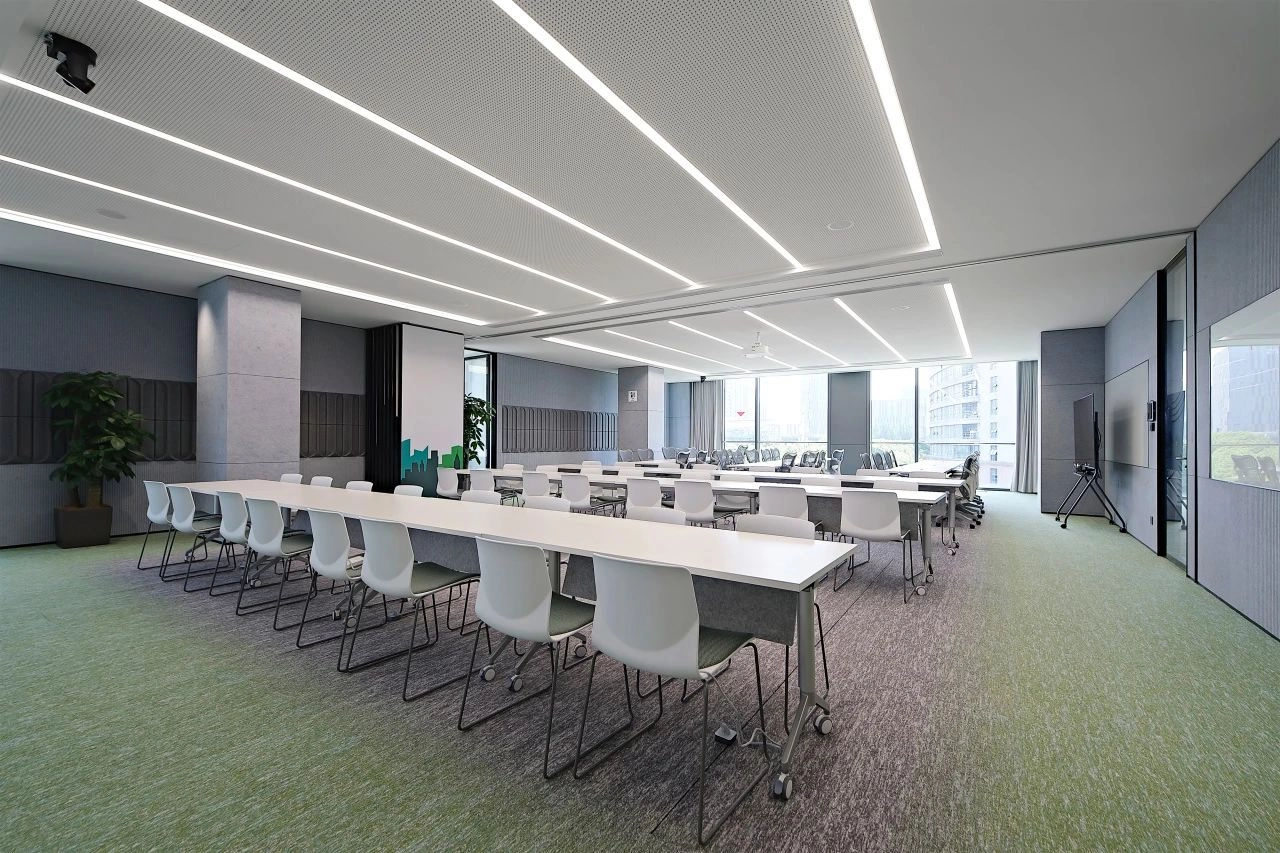
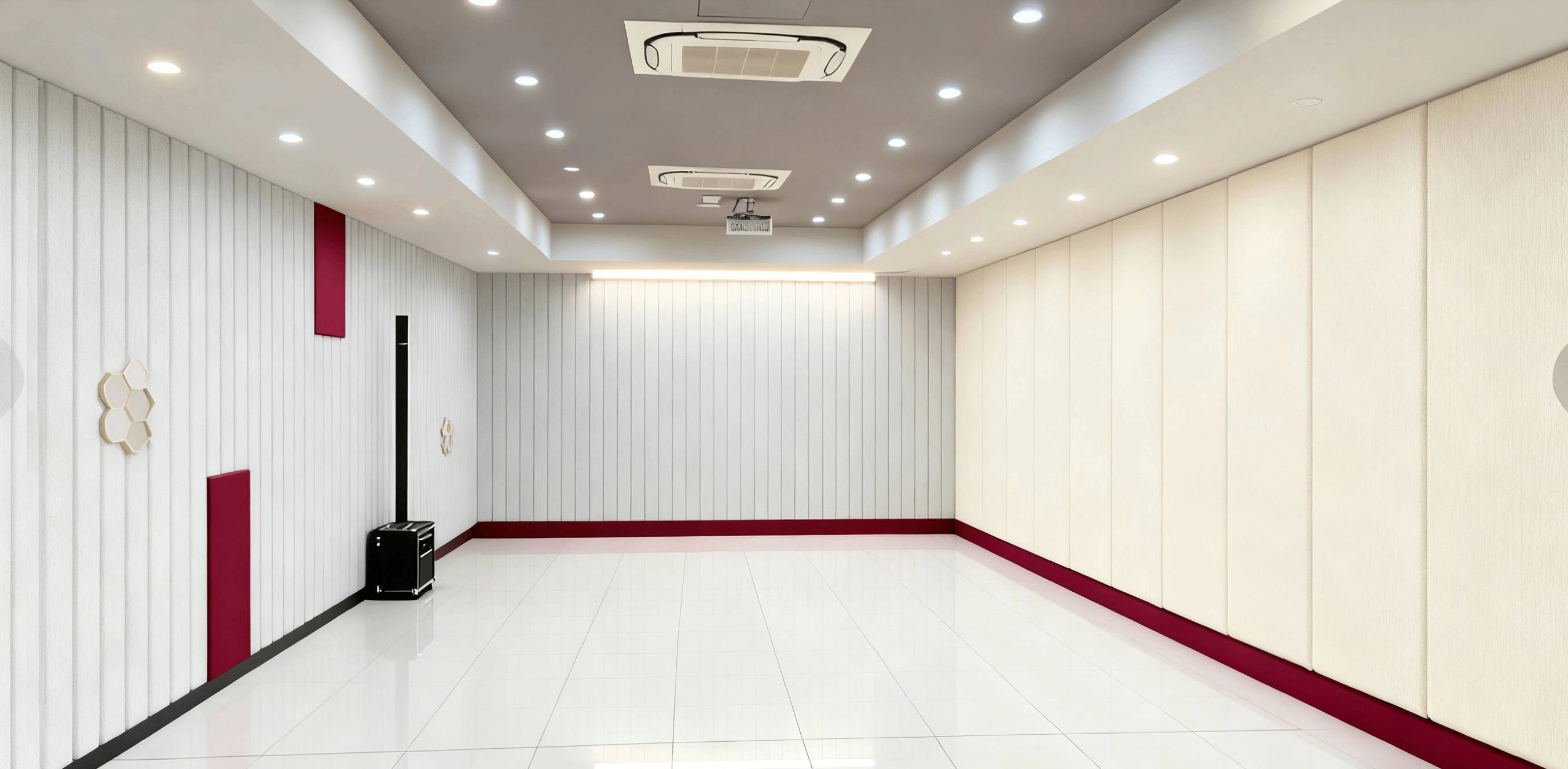
Creating the perfect sound environment in a recording studio, home studio, or podcasting room requires careful consideration of acoustic treatment. Among the most common solutions, studio acoustic panels and foam panels are frequently mentioned. While both aim to improve sound quality, they are not identical in performance, materials, or applications. Understanding the differences between these two options can save you time, money, and frustration while optimizing your studio’s acoustics.
What Are Studio Acoustic Panels?
Studio acoustic panels are specialized panels designed to control sound reflections, reduce echo, and improve overall acoustic quality in a room. Unlike generic foam, professional acoustic panels are engineered with high-density materials, often combining multiple layers for optimal absorption across a wide frequency range. They are widely used in professional recording studios, broadcast rooms, home studios, and commercial sound-sensitive spaces.
Key characteristics of studio acoustic panels include:
Material Composition
Studio panels are typically made from high-density fiberglass, mineral wool, or compressed polyester fiber. These materials have superior sound absorption capabilities, especially for low and mid frequencies, which are notoriously difficult to manage.
Design and Appearance
Acoustic panels often come in elegant designs, including fabric-covered frames, decorative patterns, and custom shapes. They not only improve sound but also enhance room aesthetics.
Performance Across Frequencies
High-quality studio panels absorb sound efficiently across a broad spectrum, reducing flutter echoes, standing waves, and room modes that can interfere with recording and mixing.
Durability and Longevity
Professional acoustic panels are designed to last for decades without significant degradation in sound absorption properties. Many are also fire-resistant, meeting safety regulations for commercial and residential use.
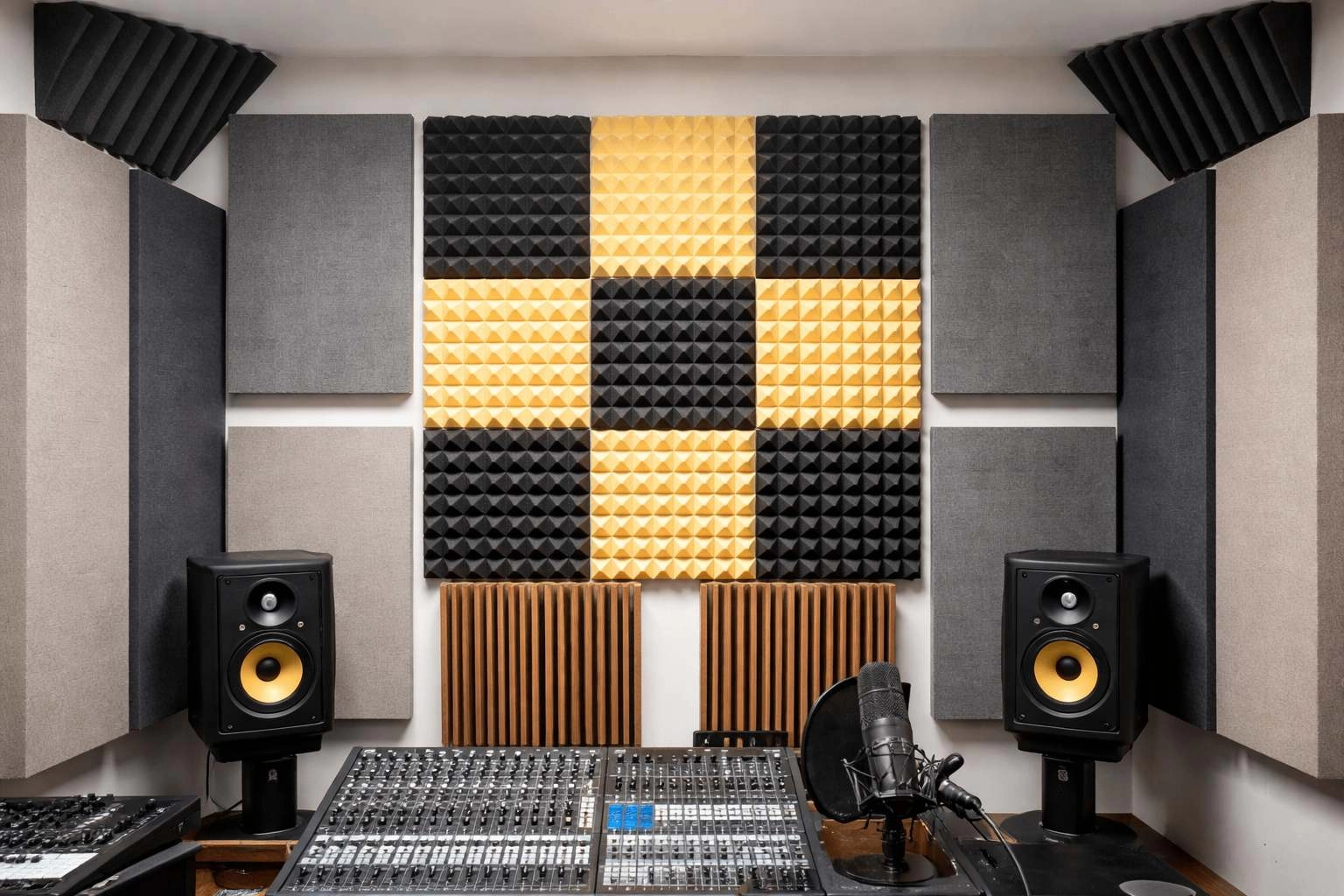
What Are Foam Panels?
Foam panels, often marketed as acoustic foam or soundproofing foam, are made primarily from polyurethane or melamine. They are lightweight, inexpensive, and easy to install, making them a popular choice for budget-conscious home studios and personal practice rooms.
Key features of foam panels include:
Material Composition
Foam panels are usually made of open-cell polyurethane or melamine foam. While they absorb high frequencies well, they are less effective at absorbing low and mid frequencies, which can result in uneven acoustic treatment.
Design Options
Foam panels are available in various shapes, such as wedges, pyramids, and egg-crate patterns, which help diffuse sound reflections. However, their appearance is often utilitarian and may not match professional studio aesthetics.
Performance Limitations
While foam panels reduce echo and high-frequency reflections, they do not significantly impact low-frequency energy, which can cause “boomy” or “muddy” sound in small or untreated rooms.
Durability
Foam panels can degrade over time, losing their shape and effectiveness. They are also flammable unless treated, which can be a safety concern in certain environments.
Key Differences Between Studio Acoustic Panels and Foam Panels
| Feature | Studio Acoustic Panels | Foam Panels |
|---|
| Material | High-density fiberglass, mineral wool, polyester fiber | Polyurethane, melamine foam |
| Frequency Absorption | Broad spectrum (low, mid, high) | High frequencies only |
| Aesthetics | Customizable, professional, decorative | Basic, utilitarian |
| Durability | Long-lasting, often fire-resistant | Shorter lifespan, can degrade over time |
| Cost | Higher initial investment | Budget-friendly |
| Effectiveness | Professional-grade sound treatment | Suitable for small rooms or temporary setups |
When to Choose Studio Acoustic Panels
Investing in studio acoustic panels is ideal for:
Professional Recording Studios: Ensures accurate sound reproduction for mixing and mastering.
Podcast Studios and Voiceover Rooms: Provides clear, natural voice quality without echoes.
Home Studios with Serious Music Production: Offers long-term acoustic treatment that supports high-quality recordings.
Rooms with Problematic Acoustics: Handles low-frequency issues that foam panels cannot address.
Although the upfront cost is higher, the benefits in sound quality, durability, and professional appearance make studio panels a worthwhile investment.
When Foam Panels Are Sufficient
Foam panels are suitable for:
Beginner Home Studios or Bedroom Setups: They provide a noticeable reduction in echo at an affordable price.
Temporary Recording Spaces: Easy to install and remove without permanent modifications.
High-Frequency Reflection Control: Useful for treating treble-heavy reflections from flat surfaces.
However, for critical listening or professional recording, foam panels alone are often inadequate, especially in rooms with significant bass issues.
Complementary Use: Combining Foam and Acoustic Panels
For some setups, combining foam panels with studio acoustic panels can be an effective solution. For example:
This hybrid approach allows for cost-effective treatment while maintaining high acoustic performance.
Installation Tips for Both Types
Identify Reflection Points: Use the “mirror trick” to locate points where sound reflects off walls and ceilings.
Proper Spacing: Acoustic panels perform better when spaced slightly away from walls; foam panels can be mounted directly.
Corners and Bass Traps: Studio panels often integrate bass traps in corners to manage low-frequency buildup.
Aesthetic Considerations: Choose fabric-covered or decorative panels for visual appeal in professional spaces.
Conclusion
While studio acoustic panels and foam panels both aim to improve room acoustics, they serve different purposes and perform differently across frequency ranges.
Studio Acoustic Panels: High-performance, durable, broad-spectrum absorption, professional aesthetics, suitable for serious music production and voice recording.
Foam Panels: Cost-effective, easy to install, high-frequency absorption, suitable for small rooms, temporary setups, or non-critical listening spaces.
Understanding the differences allows you to make informed choices based on your studio’s size, budget, and recording goals. For professionals or serious hobbyists, investing in high-quality studio acoustic panels ensures accurate sound reproduction, better recordings, and long-term satisfaction. Foam panels can complement acoustic panels or serve as a temporary solution, but relying solely on them may limit your studio’s potential.
Ultimately, the choice between studio acoustic panels and foam panels comes down to performance needs, budget, and room requirements. By carefully assessing your environment and objectives, you can create a studio space that truly sounds as good as it looks.
ROYDAA, as a professional manufacturer and supplier of high-quality studio acoustic panels, offers solutions that cater to both home and professional recording environments, ensuring superior sound absorption, durability, and aesthetic appeal for every studio setup.




 +86 18963687089

 en
en it
it es
es hu
hu ja
ja sv
sv pt
pt ms
ms ko
ko ru
ru fr
fr de
de ar
ar