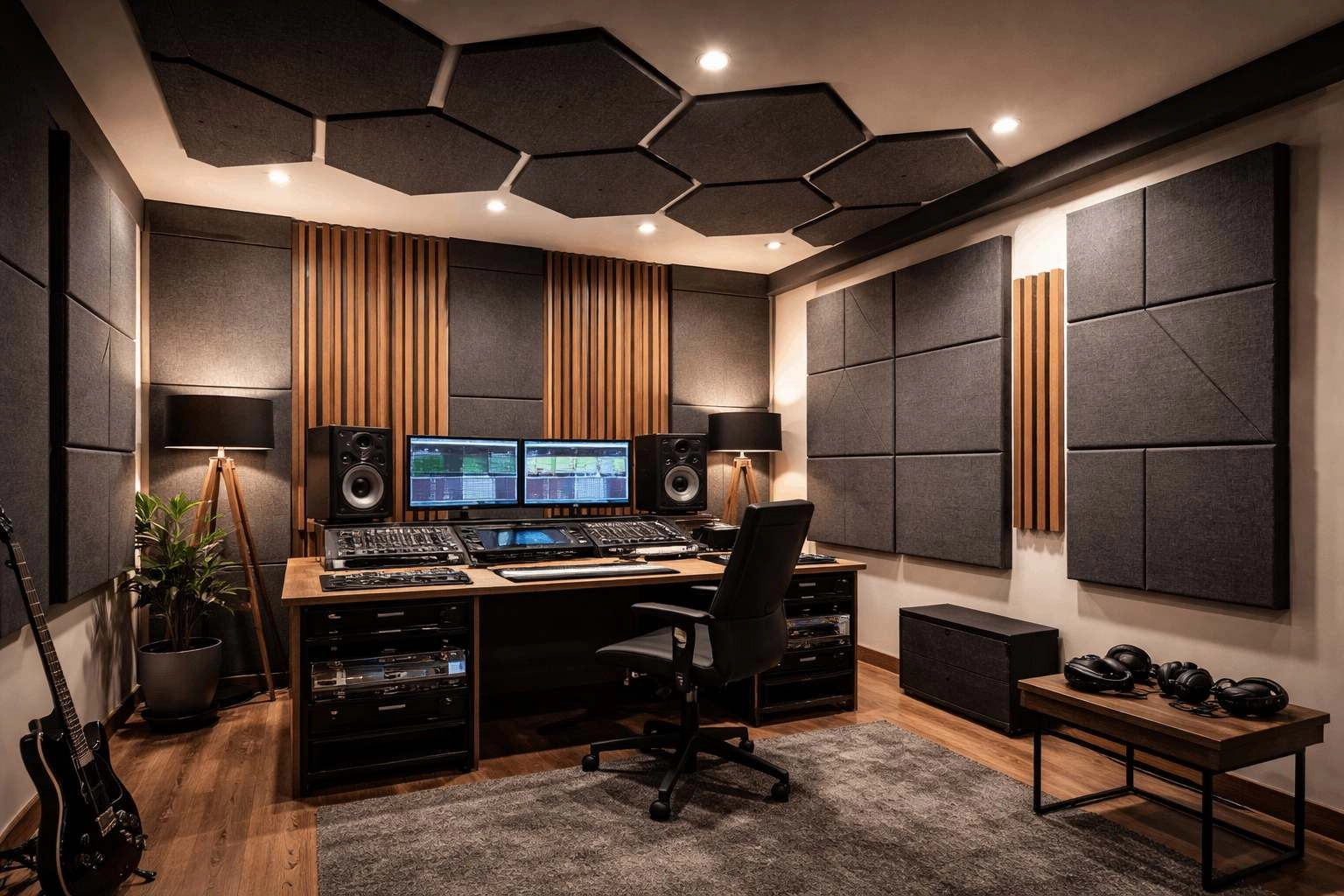
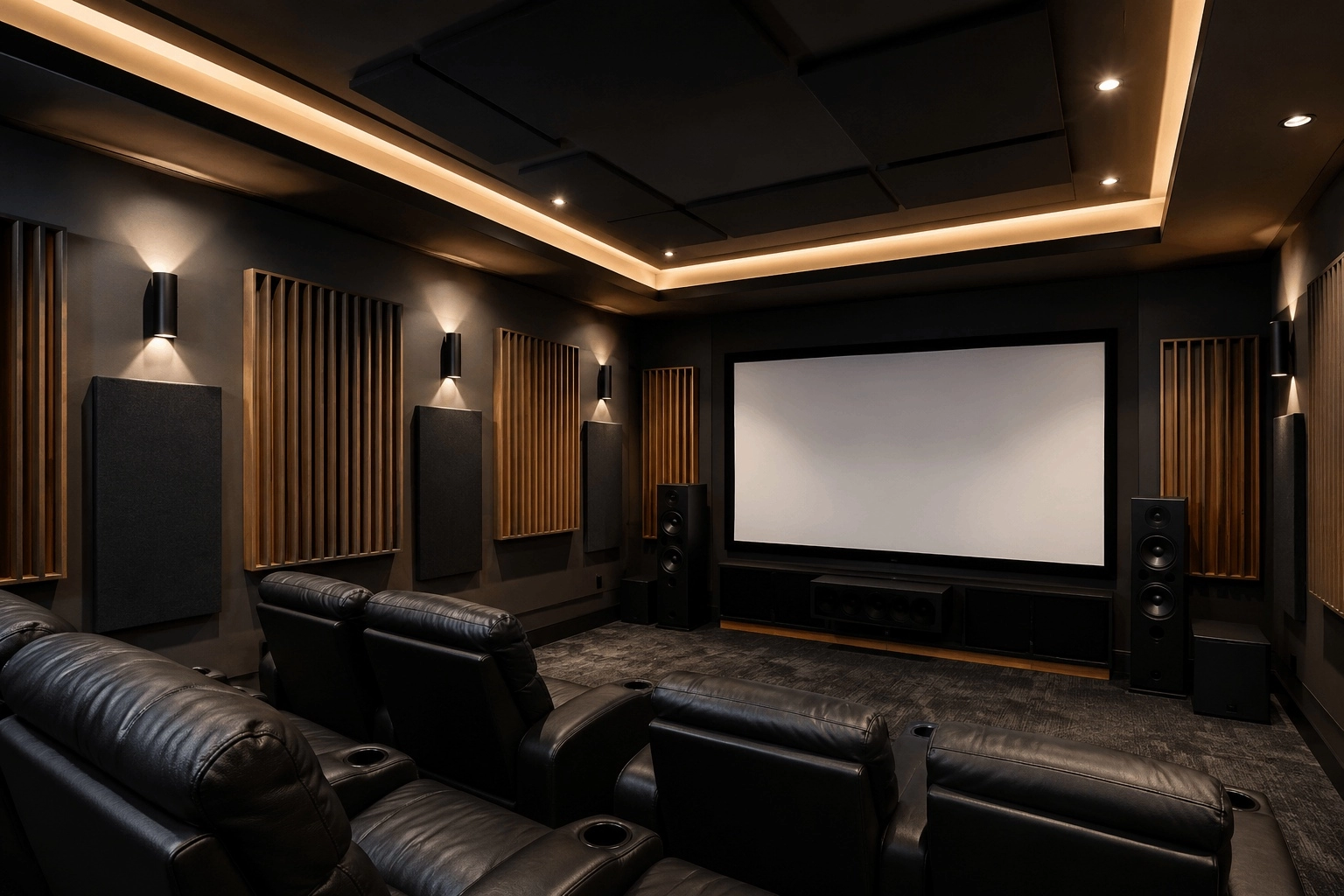
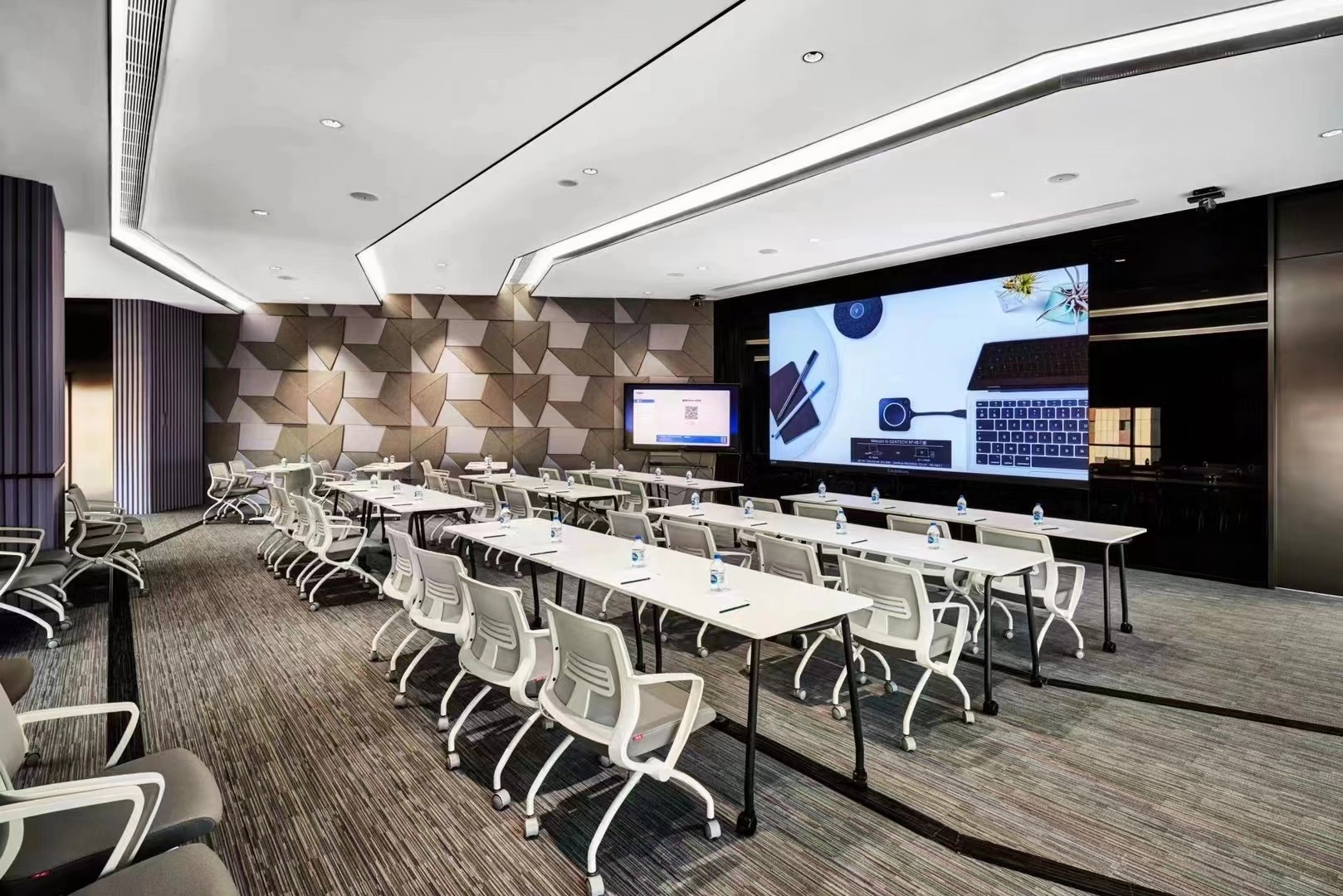
Modern workplaces are designed to encourage collaboration, flexibility, and innovation. Open-plan offices, glass meeting rooms, shared workstations, and hybrid workspaces have become common in corporate environments. While these layouts improve communication and maximize space utilization, they also introduce a significant challenge—noise. Conversations, phone calls, office equipment, and foot traffic can quickly create an environment filled with distractions, making it difficult for employees to concentrate and communicate effectively.
One of the most practical and cost-effective solutions to this problem is the installation of wall-mounted office acoustic panels. These panels are specifically engineered to absorb unwanted sound reflections, reduce reverberation, and create a quieter, more comfortable workplace without requiring major structural modifications. In addition to improving acoustic performance, wall-mounted acoustic panels are available in a wide range of colors, materials, and designs, allowing them to complement modern office interiors while supporting productivity and employee well-being.
This guide explores the benefits, working principles, materials, applications, installation strategies, and design considerations of wall-mounted office acoustic panels for efficient noise reduction.
Why Noise Control Matters in Modern Offices
The shift toward open and collaborative office layouts has significantly increased the importance of acoustic design. While removing walls promotes teamwork, it also allows sound to travel freely throughout the workspace.
Common sources of office noise include:
Without adequate sound absorption, these noises reflect off hard surfaces such as glass, concrete, metal, and drywall, creating excessive reverberation and making the office feel louder than it actually is.
Poor acoustic conditions can result in:
Installing wall-mounted office acoustic panels is one of the most effective ways to address these issues.
What Are Wall-Mounted Office Acoustic Panels?
Wall-mounted office acoustic panels are sound-absorbing panels installed directly onto office walls to reduce reflected sound energy. Unlike soundproofing systems designed to block sound transmission between rooms, acoustic panels primarily improve the acoustic quality within a space by minimizing echo and reverberation.
Most wall-mounted acoustic panels consist of:
A high-performance acoustic core
A decorative fabric, PET felt, or wood finish
A durable backing or mounting frame
They are available in various sizes, shapes, thicknesses, and finishes, making them suitable for both functional and decorative purposes.
How Wall-Mounted Acoustic Panels Work
Understanding how these panels function helps explain why they are so effective in office environments.
Sound Absorption
When sound waves strike hard surfaces, they bounce back into the room, creating multiple reflections. Acoustic panels contain porous materials that trap these sound waves and convert part of their energy into heat through friction, reducing the amount of sound reflected back into the workspace.
Reverberation Control
Reverberation occurs when sound continues bouncing around after the original source has stopped.
Wall-mounted office acoustic panels shorten reverberation time by absorbing reflected sound, creating a clearer and more comfortable acoustic environment.
Improved Speech Clarity
Reducing reflected sound improves speech intelligibility, making conversations easier to understand during meetings and video conferences.
Benefits of Wall-Mounted Office Acoustic Panels
Efficient Noise Reduction
The primary advantage of wall-mounted office acoustic panels is their ability to significantly reduce unwanted reflections and background noise.
Employees experience:
Better concentration
Fewer distractions
Improved communication
Increased productivity
Space-Saving Installation
Because the panels are mounted directly on walls, they occupy no valuable floor space.
This makes them ideal for:
Small offices
Shared workspaces
Urban office buildings
Compact meeting rooms
Attractive Interior Design
Modern acoustic panels are no longer purely functional.
Available finishes include:
These options allow businesses to enhance both acoustics and aesthetics simultaneously.
Flexible Customization
Manufacturers offer numerous customization options, including:
Corporate colors
Custom dimensions
Brand logos
Decorative graphics
Modular layouts
Easy Maintenance
Most commercial acoustic panels require minimal maintenance.
Routine cleaning typically involves:
Vacuuming
Dry dusting
Occasional spot cleaning
Common Materials Used in Wall-Mounted Acoustic Panels
PET Felt Acoustic Panels
PET felt has become one of the most popular acoustic materials.
Advantages include:
Fabric Wrapped Panels
Fabric-covered panels provide both excellent acoustic performance and premium aesthetics.
They are commonly used in:
Executive offices
Meeting rooms
Reception areas
Wood Acoustic Panels
Wood wall panels combine decorative warmth with acoustic functionality.
Popular wood finishes include:
Mineral Wool Panels
Mineral wool cores provide high acoustic performance and strong fire resistance, making them suitable for commercial office buildings.
Best Applications for Wall-Mounted Office Acoustic Panels
Open-Plan Offices
Open workspaces benefit greatly from wall-mounted acoustic treatments.
Panels help reduce:
Conference Rooms
Meeting rooms require excellent speech clarity.
Wall-mounted acoustic panels improve:
In-person discussions
Online meetings
Presentation quality
Video conference audio
Executive Offices
Private offices become quieter and more comfortable, improving focus and confidentiality.
Reception Areas
Reception spaces often feature hard surfaces that create noticeable echoes.
Acoustic panels enhance visitor comfort while improving aesthetics.
Call Centers
Call centers generate continuous conversations throughout the day.
Wall-mounted acoustic systems reduce operator distraction and improve communication quality.
Training Rooms
Learning environments require clear speech transmission.
Acoustic panels minimize reverberation and improve listening conditions.
Wall-Mounted Panels Compared with Other Acoustic Solutions
Different acoustic treatments serve different purposes.
Wall-Mounted Panels
Advantages include:
Ceiling Baffles
Suitable for:
Large open spaces
High ceilings
Industrial-style offices
Acoustic Partitions
Useful for:
Freestanding Acoustic Screens
Ideal for:
Mobile workspaces
Co-working environments
Reconfigurable offices
Many modern offices combine several acoustic solutions for the best overall performance.
Design Considerations
Selecting the right wall-mounted office acoustic panels requires careful planning.
Acoustic Goals
Determine whether the project requires:
Echo reduction
Speech clarity
Noise control
Decorative enhancement
Panel Placement
Strategic placement is essential.
Panels should be installed on major reflective surfaces rather than randomly throughout the office.
Color Selection
Modern acoustic panels are available in hundreds of colors.
Many businesses choose colors that complement:
Brand identity
Office furniture
Interior finishes
Corporate culture
Panel Thickness
Thicker panels generally provide better low-frequency absorption.
However, thickness should be selected according to project requirements.
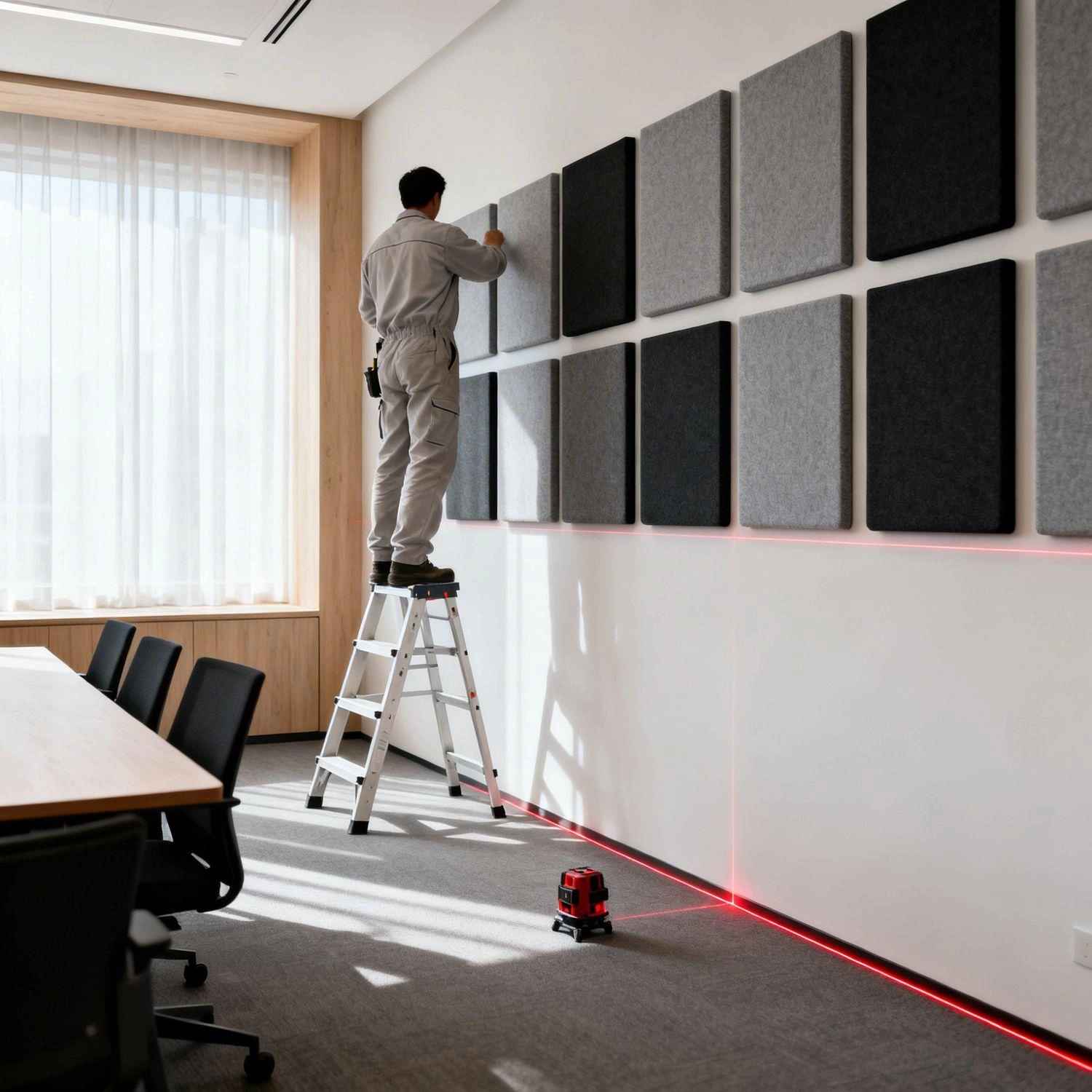
Installation Best Practices
Professional installation maximizes acoustic effectiveness.
Identify Reflection Points
Panels perform best when positioned where sound reflections are strongest.
Maintain Balanced Coverage
Rather than covering every wall, designers typically treat approximately 25%–40% of reflective surfaces depending on room size and acoustic requirements.
Combine with Ceiling Treatments
Large offices often benefit from combining wall-mounted panels with ceiling-mounted acoustic systems.
Use Modular Layouts
Modular installations simplify future expansion or office renovation.
Sustainability Considerations
Many wall-mounted office acoustic panels are now manufactured using environmentally responsible materials.
Common sustainable features include:
These characteristics support sustainable office construction and contribute to green building certification programs such as LEED and WELL.
Future Trends in Wall-Mounted Acoustic Panels
As office design evolves, wall-mounted acoustic systems continue to advance.
Emerging trends include:
Smart Acoustic Panels
Future panels may integrate sensors that monitor workplace noise levels and help optimize acoustic conditions.
Multi-Functional Panels
Manufacturers are developing panels that combine:
LED lighting
Writable surfaces
Digital displays
Decorative artwork
Sustainable Manufacturing
Demand for eco-friendly acoustic materials continues to grow, encouraging the use of recycled and renewable resources.
Modular Architectural Systems
Flexible modular designs allow offices to adapt to changing workplace layouts without replacing entire acoustic installations.
Tips for Choosing the Right Wall-Mounted Office Acoustic Panels
Before purchasing acoustic panels, consider the following:
Acoustic Performance
Review the Noise Reduction Coefficient (NRC) rating to ensure the panels meet your acoustic goals.
Material Quality
Choose durable, fire-resistant, and environmentally friendly materials suitable for commercial use.
Design Compatibility
Select colors, textures, and finishes that complement the overall office design.
Installation Requirements
Consider wall construction, mounting systems, and future maintenance needs.
Customization Options
If branding is important, work with manufacturers that offer custom sizes, colors, and printed graphics.
Supplier Expertise
An experienced supplier can provide acoustic recommendations, customization support, and installation guidance.
Conclusion
As workplaces continue to embrace open layouts and collaborative environments, effective acoustic design has become essential for maintaining productivity, comfort, and employee well-being. Wall-mounted office acoustic panels offer one of the most efficient and versatile solutions for reducing noise, controlling reverberation, and improving speech clarity without sacrificing valuable floor space.
Available in a wide variety of materials, finishes, and customizable designs, these panels seamlessly integrate into modern office interiors while enhancing both aesthetics and functionality. Whether used in open-plan workspaces, conference rooms, executive offices, reception areas, or training facilities, they provide lasting acoustic benefits that support better communication and a more focused work environment.
By investing in high-quality wall-mounted office acoustic panels for efficient noise reduction, businesses can create office spaces that are quieter, more attractive, and better equipped to meet the demands of today's dynamic workplace while also supporting long-term sustainability and workplace satisfaction.




 +86 18963687089

 en
en it
it es
es hu
hu ja
ja sv
sv pt
pt ms
ms ko
ko ru
ru fr
fr de
de ar
ar