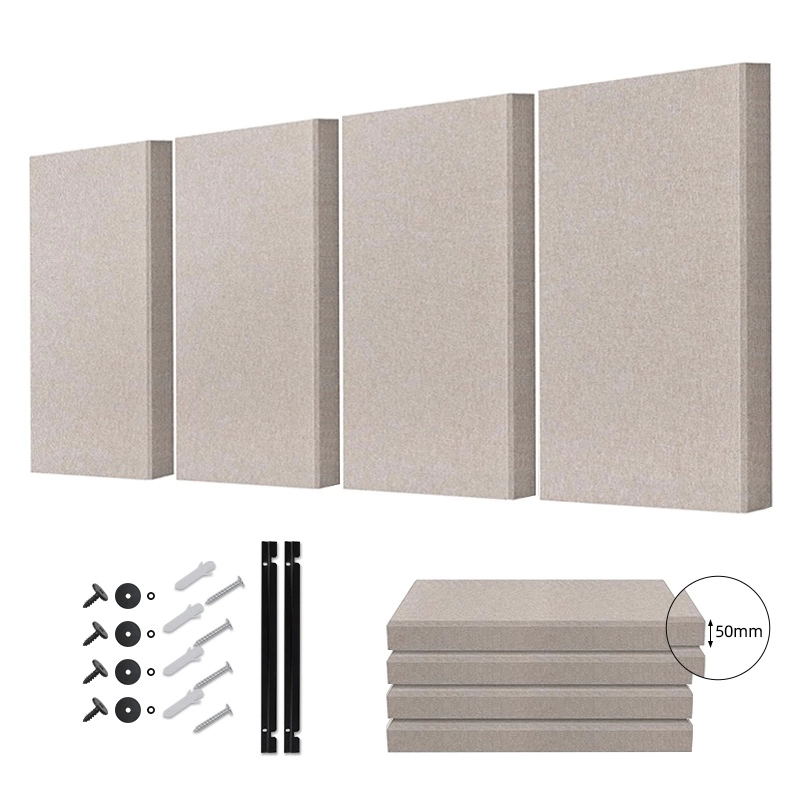
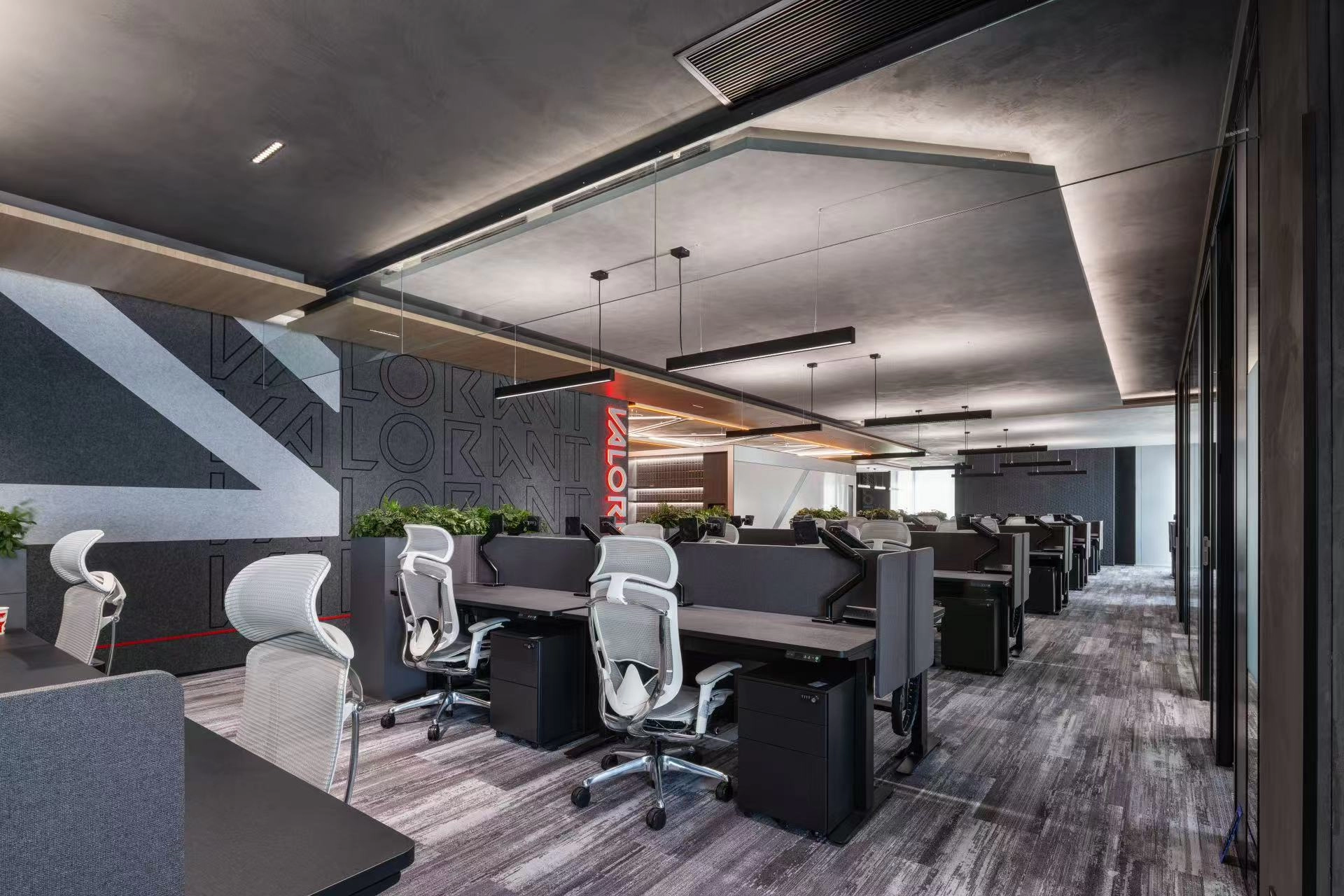
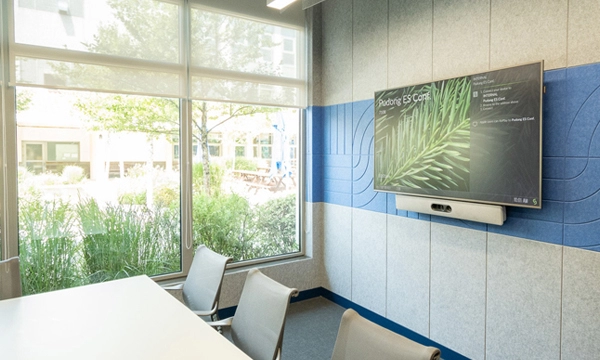
As modern workplaces evolve, acoustic comfort has become a key factor in office design. Companies across industries are investing in office acoustic panels to reduce noise, improve speech clarity, and create more productive environments. However, as demand grows, so does the complexity of sourcing high-quality products globally.
Whether you are a contractor, interior designer, distributor, or corporate buyer, finding reliable suppliers for acoustic solutions is not as simple as comparing prices online. You must evaluate quality, manufacturing capability, certifications, logistics, and long-term partnership potential.
In this guide, we will walk you through a complete, practical process on how to source high-quality office acoustic panels globally, ensuring you make informed purchasing decisions and avoid costly mistakes.
Why Global Sourcing of Acoustic Panels Matters
Global sourcing allows businesses to access:
Countries such as China, Germany, the United States, and parts of Southeast Asia are major hubs for office sound absorbing panels production.
However, global sourcing also introduces risks:
Quality inconsistency
Communication barriers
Shipping delays
Certification issues
Misaligned expectations
That’s why a structured sourcing strategy is essential.
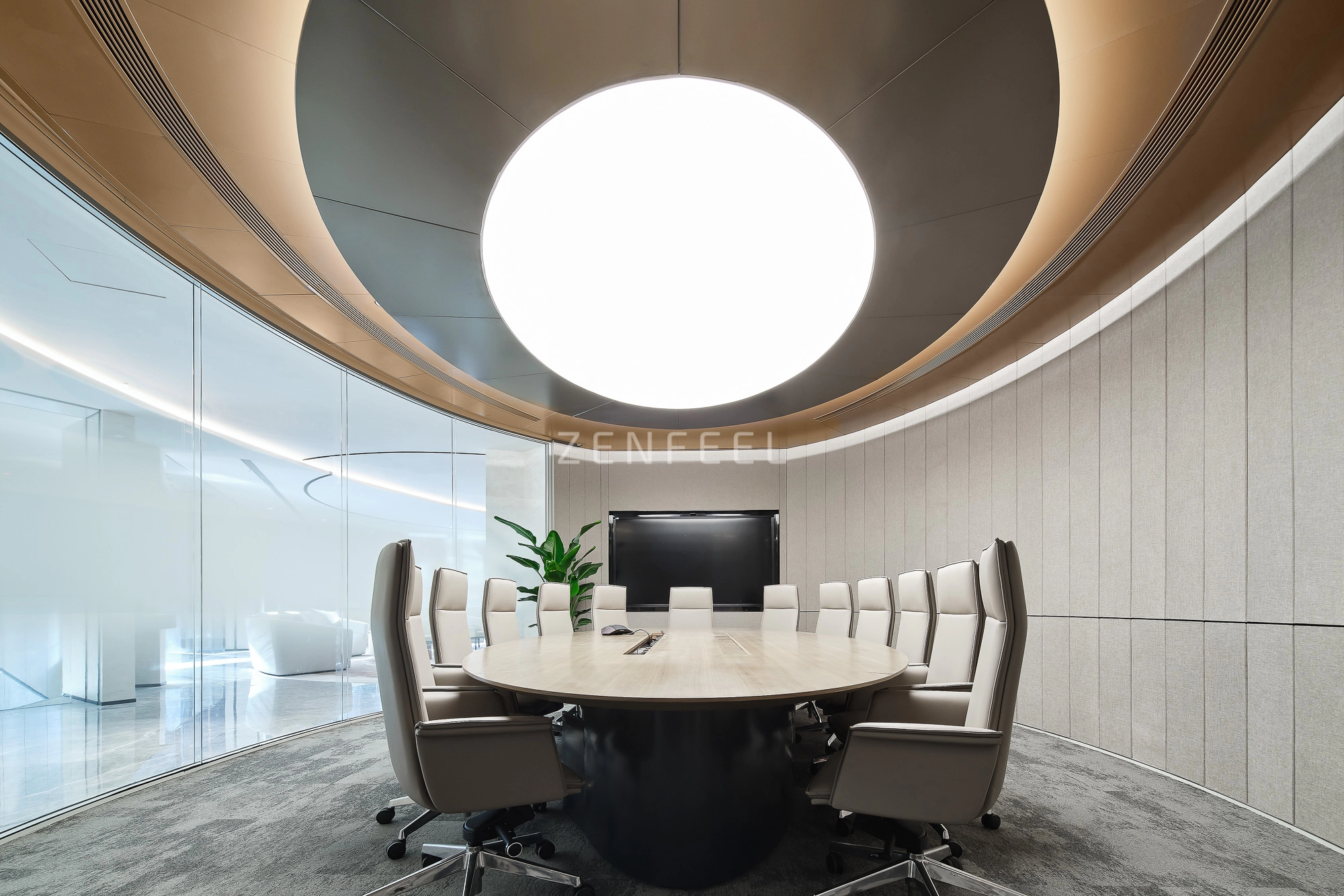
Step 1: Clearly Define Your Acoustic Requirements
Before contacting suppliers, you must define your project requirements.
Key Questions to Answer:
What type of space are you treating? (open office, meeting room, call center)
What level of noise reduction is needed?
Do you need wall panels, ceiling panels, or both?
What design style is required?
What budget range are you targeting?
Important Technical Factors:
NRC (Noise Reduction Coefficient) rating
Panel thickness (9mm–50mm range)
Fire resistance standards
Material type (PET, fiberglass, foam, wood)
Clear requirements help filter out unqualified suppliers early in the process.
Step 2: Identify Reliable Global Suppliers
Finding trustworthy manufacturers is the foundation of successful sourcing.
Where to Search:
B2B platforms (Alibaba, Global Sources, Made-in-China)
Industry exhibitions (interior design & building materials fairs)
Google search with targeted keywords like “commercial office acoustic panels manufacturer”
LinkedIn supplier networks
Referrals from contractors or architects
What to Look For:
A reliable office acoustic panels supplier should have:
Avoid suppliers who cannot provide detailed product specifications or factory information.
Step 3: Evaluate Manufacturing Capability
Not all suppliers are manufacturers. Some are trading companies, which may affect pricing and quality control.
Signs of a Real Manufacturer:
Factory photos and production videos
In-house production lines
Material sourcing control
Customization ability
Technical engineering team
Why This Matters:
Manufacturers can provide:
This is especially important for large-scale commercial projects.
Step 4: Compare Material Quality and Performance
The performance of sound absorbing panels for offices depends heavily on material quality.
Common High-Quality Materials:
Polyester fiber (PET) panels
Fiberglass acoustic boards
Wood wool cement boards
Fabric-wrapped acoustic panels
What to Check:
Density of materials
NRC rating (0.7–1.0 is ideal for offices)
Fire resistance level
Environmental certifications (low VOC, recyclable materials)
Request test reports and technical datasheets before making decisions.
Step 5: Request Samples Before Bulk Orders
Never skip the sampling stage.
Why Samples Matter:
Verify real acoustic performance
Check material finish and texture
Evaluate color accuracy
Test durability and installation ease
A small sample can prevent large-scale procurement mistakes.
What to Evaluate:
Sound absorption quality
Edge finishing
Panel consistency
Structural stability
Professional buyers always test before placing large orders.
Step 6: Evaluate Customization Capabilities
Modern offices increasingly require decorative office acoustic panels that match interior design themes.
Customization Options:
A good supplier should offer flexible customization without compromising acoustic performance.
Step 7: Check Certifications and Compliance Standards
For commercial projects, compliance is non-negotiable.
Important Certifications:
Fire safety ratings (Class A or equivalent)
Formaldehyde emission standards
ISO quality management certification
Environmental sustainability certifications
Certified commercial acoustic panels ensure safety, legality, and long-term durability.
Step 8: Analyze Pricing Structure Carefully
While price is important, it should never be the only factor.
Pricing Factors Include:
Avoid:
Extremely low prices (often indicate poor quality)
Hidden costs in logistics or customization
Lack of transparent pricing breakdown
The goal is value—not just low cost.
Step 9: Evaluate Production Capacity and Lead Time
For large office projects, production capability is critical.
Key Questions:
What is the monthly production capacity?
Can the supplier handle bulk orders?
What is the standard lead time?
Are urgent orders possible?
Delays in acoustic panel delivery can affect entire construction timelines.
Step 10: Understand Global Logistics and Shipping
Shipping plays a major role in global sourcing of office acoustic panels.
Consider:
Packaging method (flat-packed vs assembled)
Shipping mode (sea freight vs air freight)
Delivery timeframes
Import duties and taxes
Damage protection during transit
Proper packaging is essential to prevent panel deformation or damage.
Step 11: Communication and Technical Support
Strong communication is often overlooked but extremely important.
Good Suppliers Provide:
Clear communication reduces misunderstandings and project delays.
Step 12: Conduct Supplier Comparison
Before making a final decision, compare at least 3–5 suppliers.
Comparison Criteria:
Product quality
Price per square meter
Customization capability
Certifications
Lead time
Customer reviews
This structured comparison helps ensure you choose the best long-term partner.
Step 13: Build Long-Term Supplier Relationships
Sourcing acoustic panels should not be a one-time transaction.
Benefits of Long-Term Partnerships:
Better pricing over time
Priority production scheduling
Consistent product quality
Faster response for future projects
Customized product development
Reliable suppliers become strategic partners in your business growth.
Common Mistakes to Avoid When Sourcing Globally
Even experienced buyers make mistakes such as:
Choosing suppliers based only on price
Ignoring certifications
Skipping sample testing
Overlooking shipping risks
Not verifying factory legitimacy
Avoiding these mistakes can save significant time and cost.
Final Thoughts
Sourcing high-quality office acoustic panels globally requires more than just finding the lowest price supplier. It involves a structured approach that includes evaluating material quality, verifying certifications, testing samples, analyzing logistics, and building strong supplier relationships.
When done correctly, global sourcing gives you access to better materials, more design flexibility, and competitive pricing—allowing you to create high-performance acoustic environments in modern office spaces.
A well-chosen supplier is not just a vendor—they are a long-term partner in delivering better workplace acoustics, improved productivity, and enhanced office design quality.




 +86 18963687089

 en
en it
it es
es hu
hu ja
ja sv
sv pt
pt ms
ms ko
ko ru
ru fr
fr de
de ar
ar