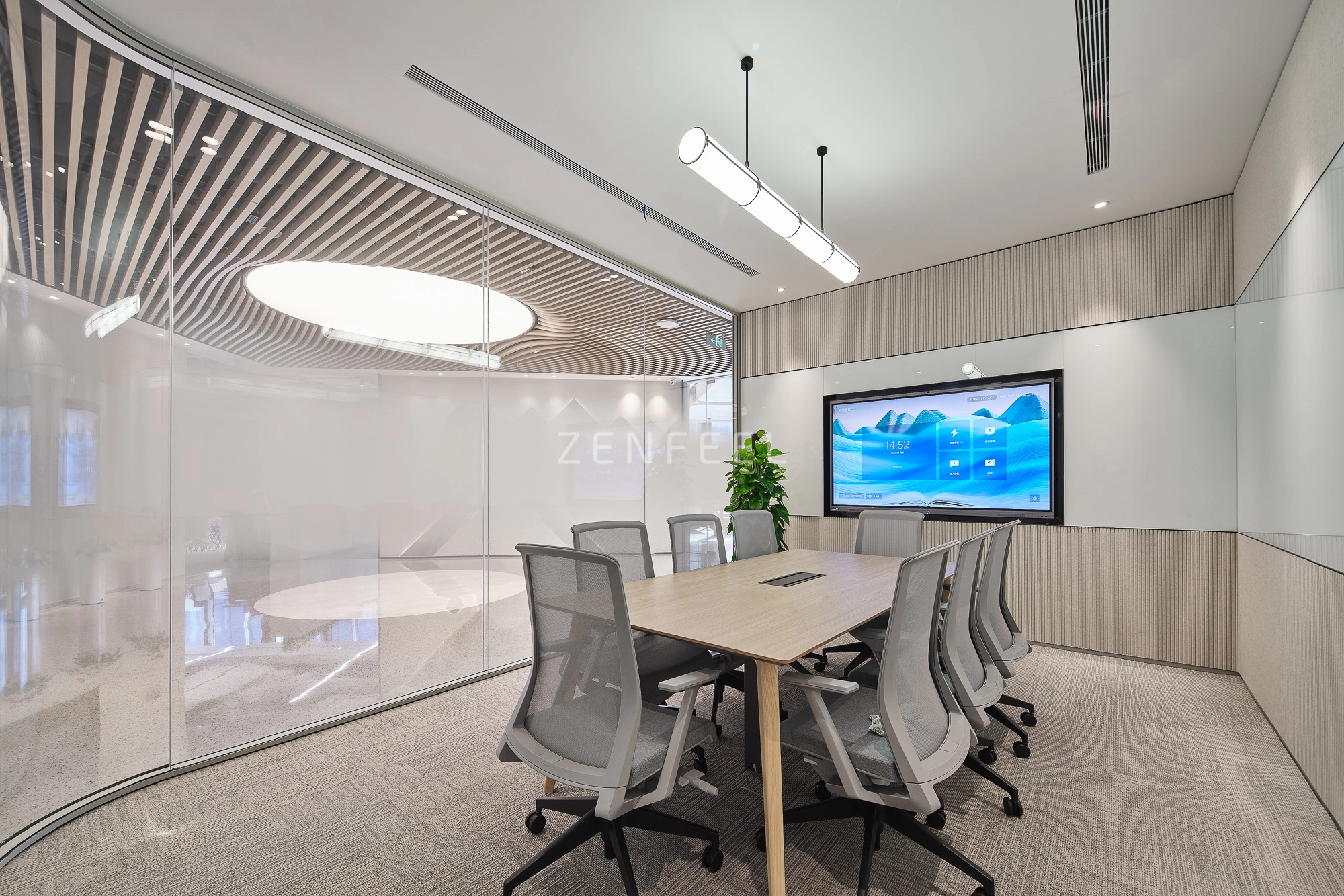
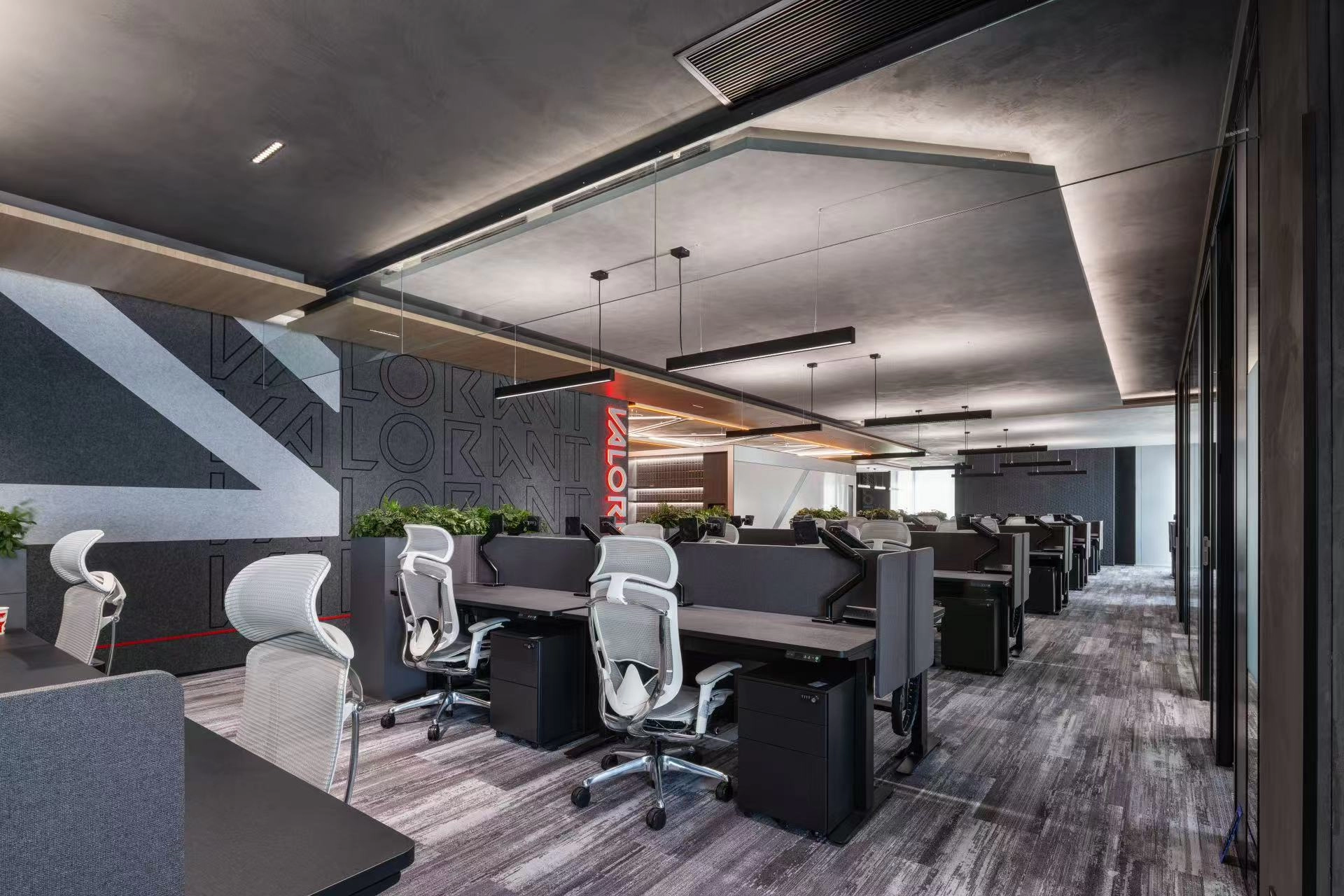
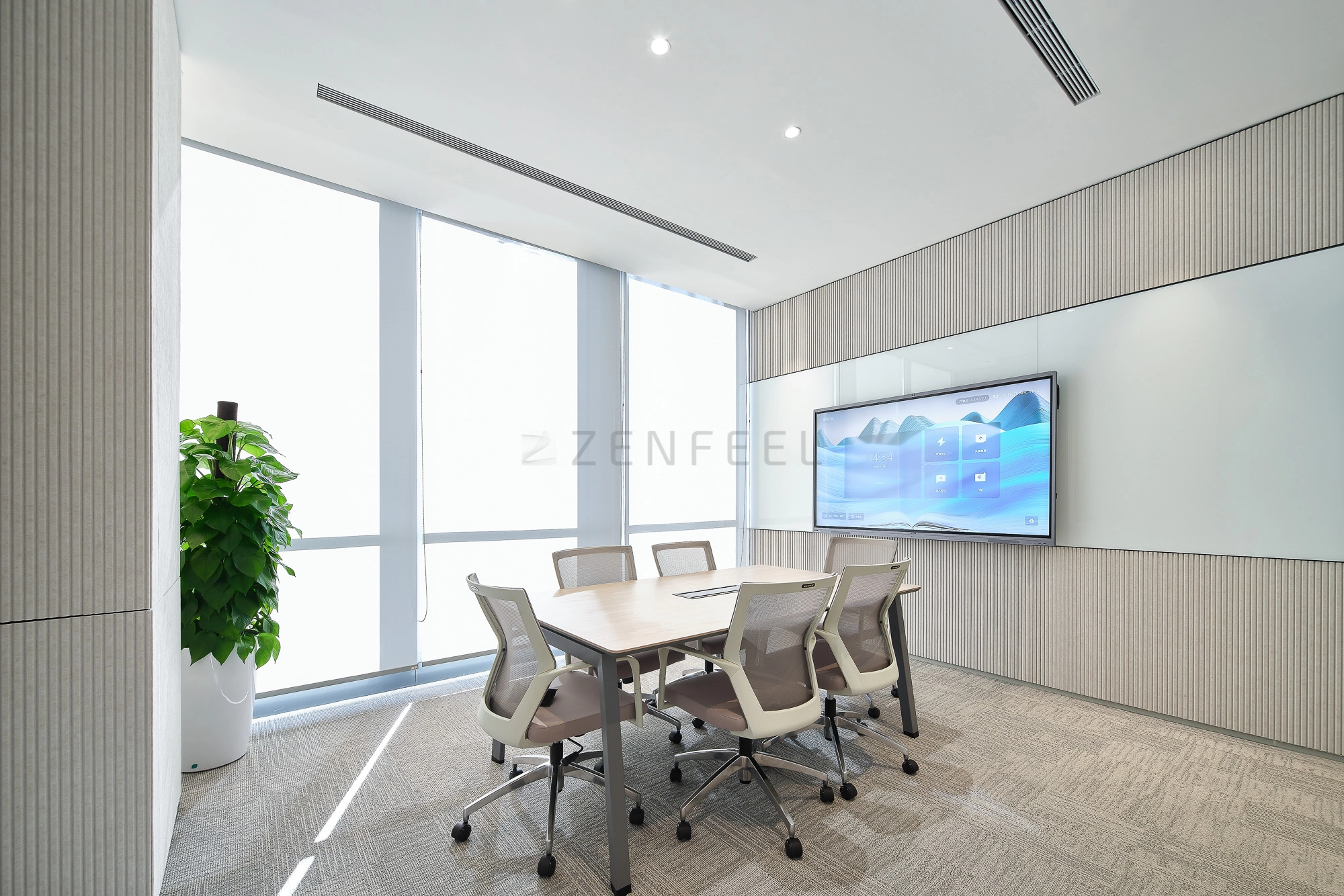
Modern office design has evolved far beyond simple functionality. Today’s workplaces are expected to be open, visually appealing, collaborative, and brand-aligned. At the same time, companies still need to solve a very practical problem: noise control. This is where office acoustic panels play a critical role.
In the past, acoustic solutions were often seen as purely technical products—hidden, bulky, and unattractive. But modern innovations in materials, manufacturing, and design have completely changed that perception. Today, stylish office acoustic panels are not only functional sound-absorbing tools but also important interior design elements that enhance the overall look and feel of a workspace.
This article explores how modern acoustic panels successfully combine aesthetics and performance, and why businesses are increasingly integrating them into office design strategies.
The Evolution of Office Acoustic Panels in Modern Workspaces
Traditionally, acoustic treatment was an afterthought in office design. Panels were installed only when noise became a serious problem, often resulting in mismatched materials and uninspiring layouts.
However, with the rise of open-plan offices and hybrid work environments, office acoustic panels have become a core design component rather than a corrective measure.
Today’s panels are:
This shift has transformed acoustic panels from industrial accessories into design-forward interior solutions.
Why Design Matters as Much as Acoustics
While sound absorption remains the primary function, aesthetics now play an equally important role.
A well-designed office influences:
Employee productivity
Brand identity
Workplace satisfaction
Client perception
Modern companies want their spaces to look as good as they sound. This is why decorative office acoustic panels have become increasingly popular in corporate interiors.
Stylish acoustic solutions help achieve:
Visual harmony
Brand consistency
A welcoming environment
Reduced visual clutter
In short, acoustic panels are no longer just functional—they are part of the office identity.
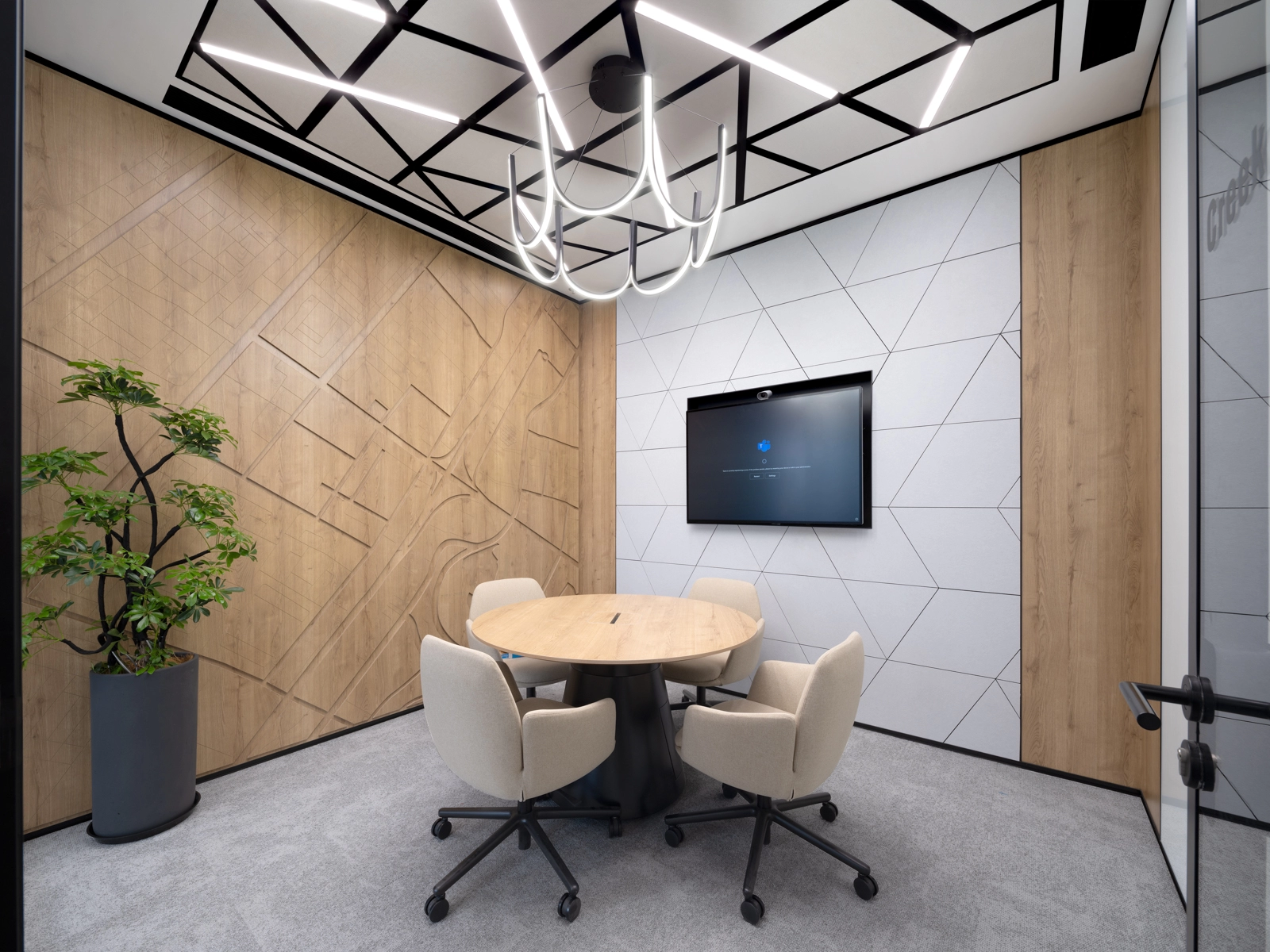
How Office Acoustic Panels Improve Workplace Experience
Before exploring design aspects, it’s important to understand their core functional value.
Office acoustic panels are designed to absorb sound reflections, reducing echo and improving speech clarity.
They help:
Minimize background noise
Enhance communication in meetings
Improve focus in open spaces
Reduce stress caused by constant noise
In modern offices filled with glass, concrete, and metal, sound reflects easily. Acoustic panels help balance the environment by absorbing excess sound energy.
The Rise of Stylish Acoustic Design
The biggest transformation in recent years is the shift toward visually integrated acoustic solutions.
Instead of hiding panels, designers now use them as:
Wall art
Architectural features
Brand storytelling tools
Space dividers
This trend has made office acoustic panels for modern interiors an essential part of architectural planning.
1. Color and Fabric Customization
One of the most effective ways to combine design and function is through color.
Modern acoustic panels are available in:
This allows businesses to match office acoustic panels with corporate branding or interior themes.
For example:
Tech companies often use minimalist gray or white panels
Creative studios prefer vibrant, artistic designs
Law firms typically choose elegant, neutral tones
Color customization ensures that acoustic solutions enhance rather than disrupt interior aesthetics.
2. Geometric and Modular Designs
Another major trend is the use of geometric shapes.
Instead of traditional rectangular panels, modern sound absorbing office panels come in:
Hexagons
Triangles
Hexa-grid patterns
Asymmetrical modules
These modular systems allow designers to create:
Feature walls
Abstract patterns
3D visual effects
Beyond sound absorption, these designs contribute to a dynamic and modern office atmosphere.
3. Acoustic Panels as Wall Art
One of the most popular design approaches is transforming acoustic panels into artwork.
Instead of plain walls, companies now install:
This makes office acoustic panels visually engaging while maintaining high acoustic performance.
For example:
A conference room might feature a branded mural panel
A lobby may include artistic acoustic wall designs
Collaborative spaces may use abstract visual patterns
This approach bridges the gap between interior design and acoustic engineering.
4. Wooden Acoustic Panels for Premium Interiors
Wood remains one of the most popular materials in high-end office design.
Wooden office acoustic panels combine natural aesthetics with strong sound absorption capabilities.
Benefits include:
Warm and professional appearance
High durability
Excellent mid-frequency sound absorption
Compatibility with luxury office interiors
Wood slat panels, in particular, are widely used in executive offices, meeting rooms, and reception areas.
They offer a perfect balance between:
Acoustic performance
Architectural elegance
5. Ceiling Acoustic Design Integration
Acoustic design is no longer limited to walls.
Modern offices increasingly use ceiling solutions such as:
These systems not only improve acoustics but also enhance spatial depth and visual structure.
Integrating ceiling elements with office acoustic panels creates a complete acoustic ecosystem that is both functional and visually cohesive.
6. Open-Plan Offices and Acoustic Zoning
Open offices present unique challenges for both sound control and design coherence.
Instead of closing spaces, designers use acoustic panels to define zones.
Common Applications:
Meeting zones
Focus work areas
Collaboration spaces
Relaxation corners
In this context, office acoustic panels for open spaces serve as invisible architecture, shaping how people move and interact within the workspace.
7. Acoustic Panels as Space Dividers
Another innovative use is vertical acoustic partitioning.
These systems act as:
Room dividers
Privacy screens
Sound buffers
They are especially useful in:
Co-working spaces
Call centers
Large open offices
Unlike traditional walls, these partitions are lightweight, flexible, and visually appealing.
They help maintain openness while still controlling noise levels effectively.
8. Balancing Minimalism and Acoustic Performance
Minimalist office design often emphasizes clean lines and open space. However, this can create acoustic challenges due to excessive hard surfaces.
Modern office acoustic panels solve this problem without disrupting minimalist aesthetics.
Design strategies include:
This ensures that acoustic treatment remains visually subtle while still highly effective.
9. Sustainability and Eco-Friendly Acoustic Panels
Sustainability is now a key factor in office design decisions.
Many modern acoustic panels are made from:
Recycled PET materials
Eco-friendly fibers
Low-VOC components
Sustainable office acoustic panels not only reduce environmental impact but also improve indoor air quality.
This is especially important for companies pursuing green building certifications such as LEED or WELL.
10. Custom Branding Opportunities
Acoustic panels also offer unique branding opportunities.
Companies can customize:
Logos
Corporate patterns
Mission statements
Visual identity elements
This turns commercial office acoustic panels into a powerful branding tool that reinforces company identity throughout the workspace.
The Role of Acoustic Panels in Employee Experience
Beyond aesthetics and noise control, acoustic design has a direct impact on people.
Well-designed offices with proper acoustic treatment:
A visually appealing and acoustically balanced environment creates a more positive workplace culture.
Common Mistakes to Avoid in Acoustic Design
Even stylish panels can fail if not properly implemented.
Common mistakes include:
Overusing panels and creating an “over-damped” space
Ignoring ceiling acoustics
Poor placement without acoustic planning
Choosing design over performance
Successful acoustic design always balances form and function.
Future Trends in Office Acoustic Panels
The future of office acoustic panels is moving toward:
Smart acoustic materials
Interactive surfaces
Integrated lighting systems
AI-driven acoustic optimization
Fully customizable modular systems
As offices continue to evolve, acoustic solutions will become even more integrated into architecture and interior design.
Final Thoughts
Stylish office design is no longer just about furniture and color schemes. Sound quality plays a crucial role in shaping how people experience a workspace.
Modern office acoustic panels successfully combine aesthetics and functionality, transforming noisy environments into visually appealing, acoustically optimized spaces.
By integrating thoughtful design, sustainable materials, and advanced acoustic engineering, businesses can create offices that not only look impressive but also support productivity, well-being, and collaboration.
In the end, the best office environments are those where design and function work together seamlessly—and acoustic panels are at the center of that transformation.




 +86 18963687089

 en
en it
it es
es hu
hu ja
ja sv
sv pt
pt ms
ms ko
ko ru
ru fr
fr de
de ar
ar