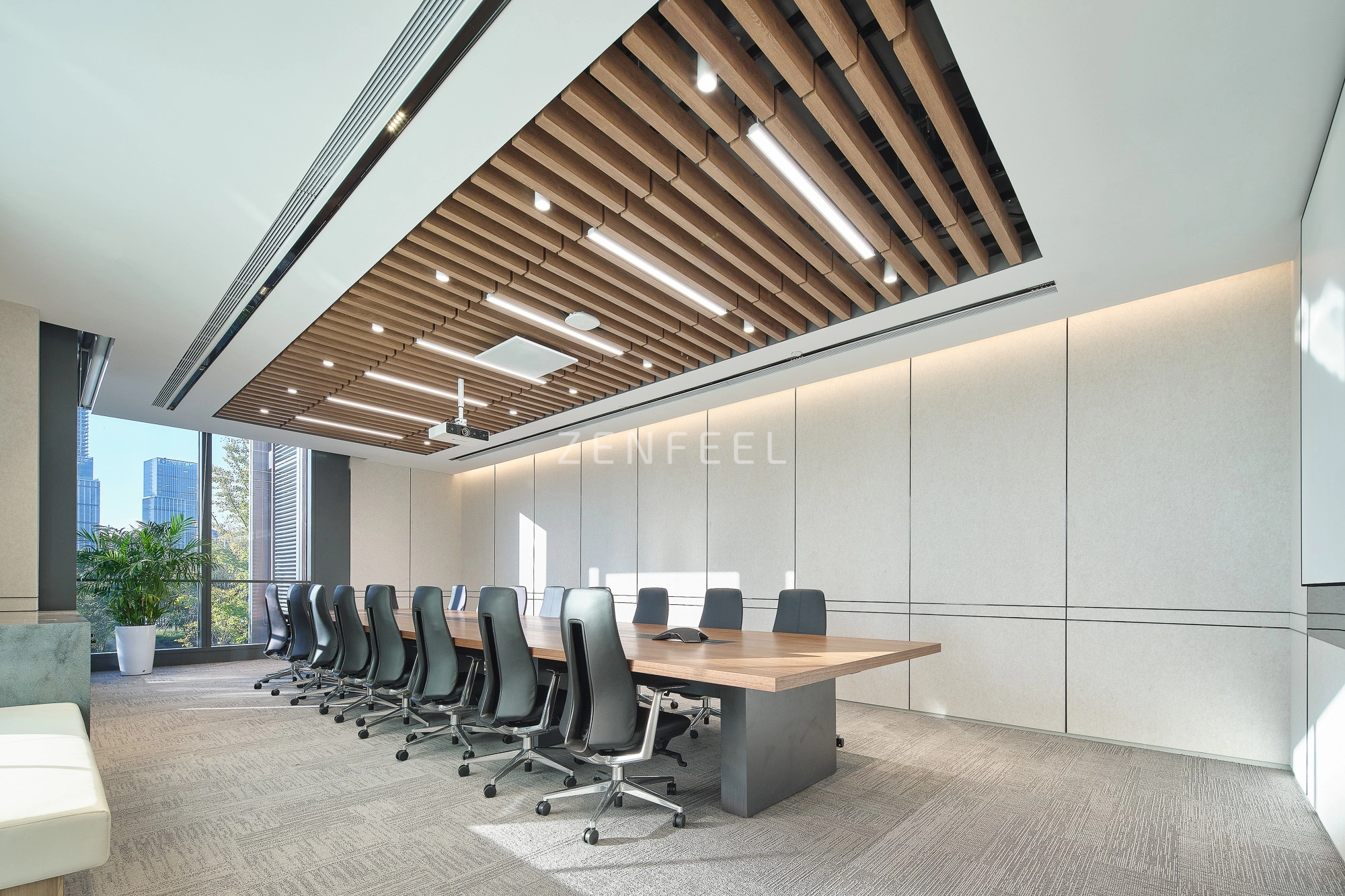
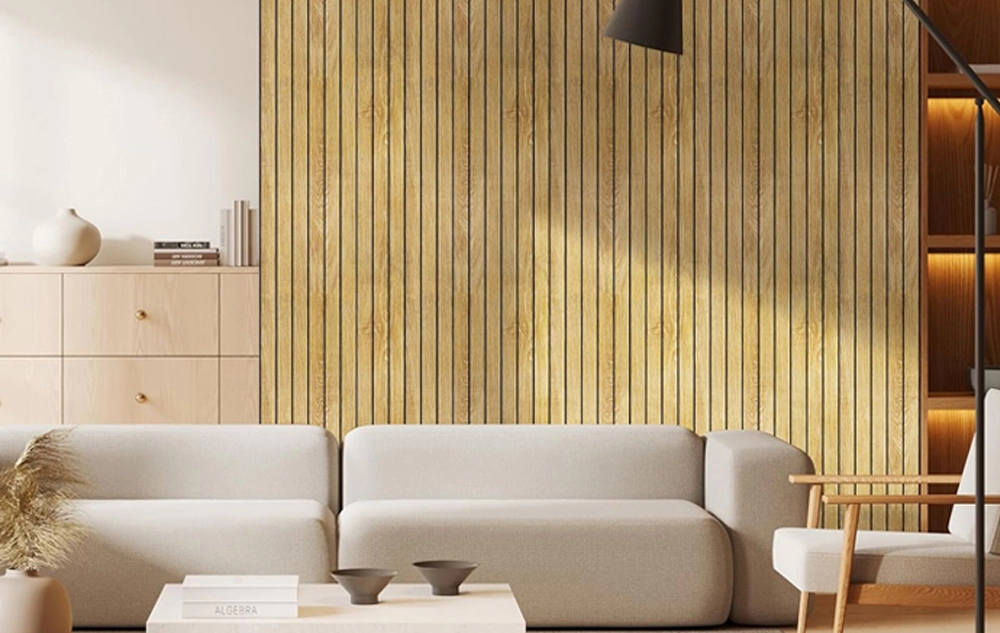
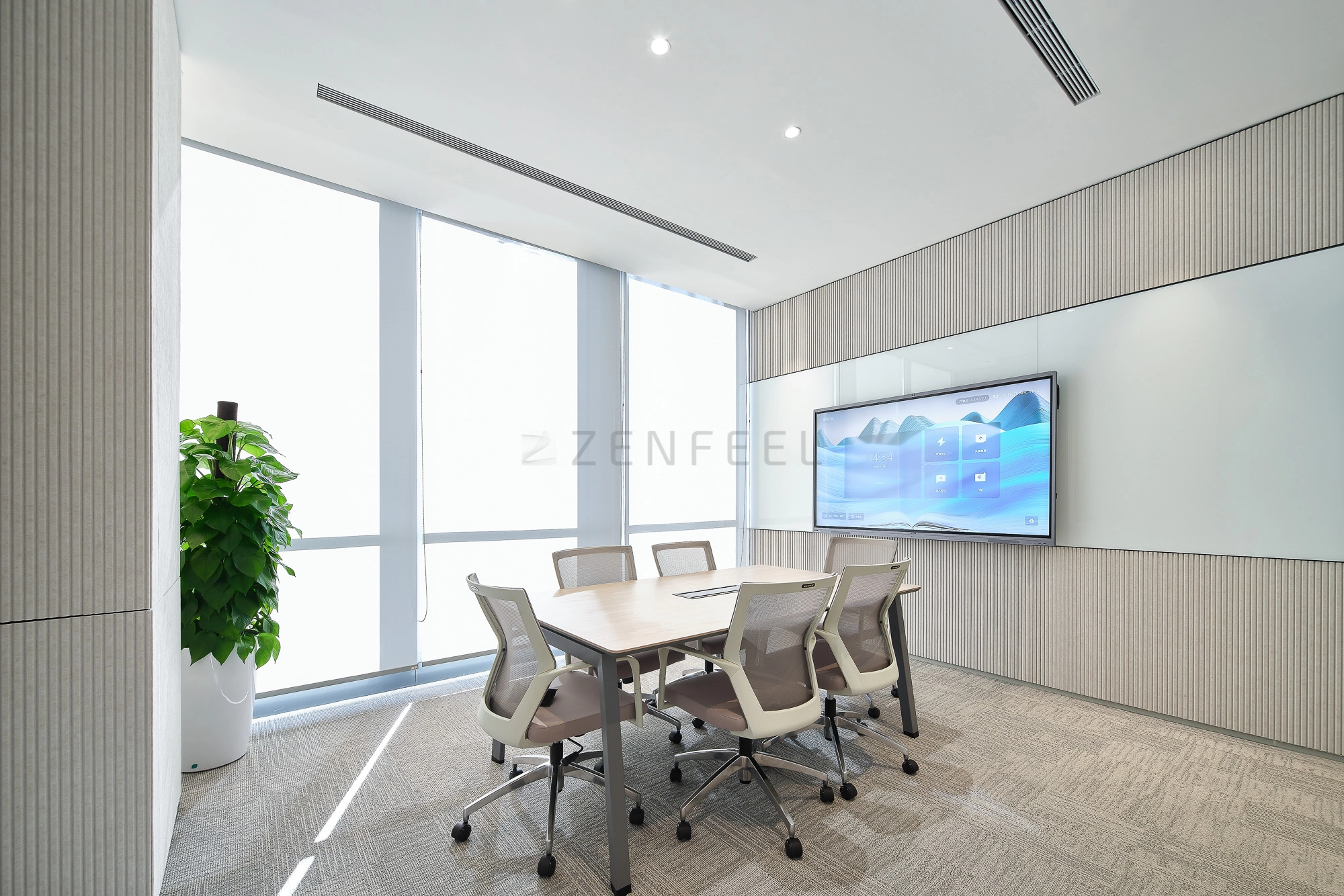
Modern office architecture is no longer defined solely by glass walls, open layouts, and minimalist furniture. Today’s workplace design must also address a critical factor that directly affects productivity, comfort, and employee wellbeing: acoustics. As organizations create more collaborative and visually striking workspaces, managing noise has become increasingly challenging.
This is where 3D office acoustic panels are transforming contemporary office design. Unlike traditional flat acoustic treatments, 3D office acoustic panels combine sound absorption with sculptural visual appeal. They help control reverberation and speech noise while simultaneously becoming a feature of the architectural interior.
In this article, we will explore how 3D office acoustic panels contribute to modern architectural office design, their acoustic principles, design advantages, applications, material options, installation considerations, sustainability benefits, and future trends.
The Evolution of Office Acoustics
For many years, acoustic treatment in offices was considered a purely technical requirement. Panels were often hidden above ceilings or placed discreetly on walls. However, contemporary architecture has changed this approach.
Modern offices prioritize:
As a result, acoustic elements are now expected to contribute aesthetically as well as functionally. 3D office acoustic panels emerged from this shift, offering architects and designers a way to integrate sound control directly into the visual language of the space.
What Are 3D Office Acoustic Panels?
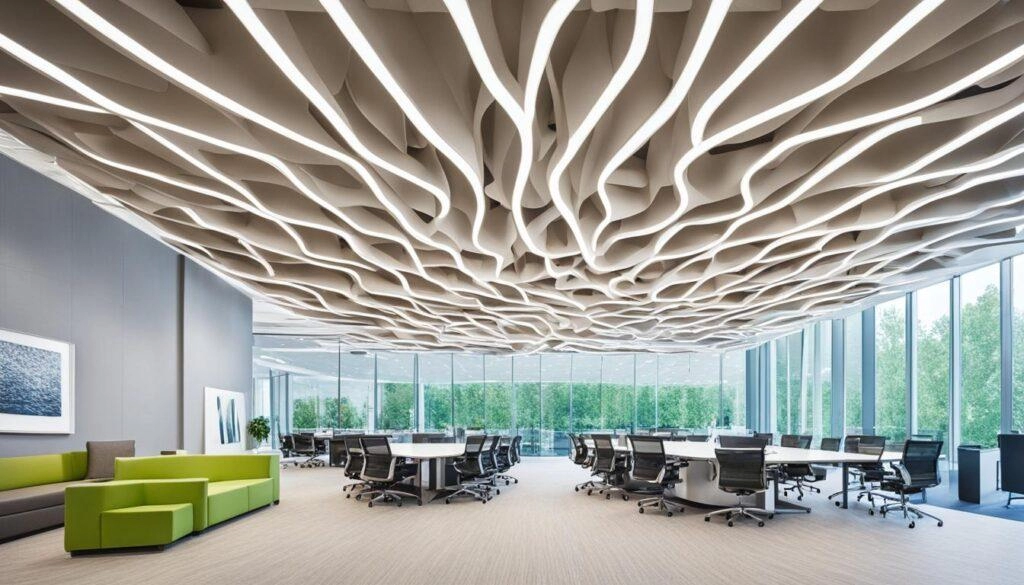
3D office acoustic panels are sound-absorbing panels with three-dimensional surfaces rather than flat faces. Their geometric patterns, curves, ridges, folds, or modular shapes create depth and texture within the office environment.
These panels are typically manufactured from:
High-density polyester fiber
Recycled PET materials
Acoustic foam composites
Wood-based acoustic substrates
Mineral fiber acoustic cores
The three-dimensional surface performs two functions:
This dual performance makes 3D panels particularly effective in large, open architectural spaces.
Why Modern Architectural Offices Need Better Acoustics
Open-plan offices encourage interaction, but they also create several acoustic problems:
Speech travels long distances.
Hard surfaces reflect sound.
Ceiling heights increase reverberation.
Video calls generate additional noise.
Employees struggle to concentrate.
Poor acoustics can lead to:
By incorporating 3D office acoustic panels into the architectural design from the beginning, these issues can be addressed without compromising the visual concept of the space.
The Acoustic Science Behind 3D Panels
Understanding how 3D office acoustic panels work helps explain their growing popularity.
Sound Absorption
When sound waves enter the porous core of the panel, friction converts acoustic energy into heat. This reduces reflected sound and shortens reverberation time.
Sound Diffusion
The three-dimensional surface geometry breaks up sound reflections. Instead of bouncing directly back into the room, sound waves are scattered in different directions.
Reduced Flutter Echo
Parallel walls in modern offices often create flutter echo. The irregular surfaces of 3D panels help disrupt this phenomenon.
Improved Speech Clarity
By controlling both absorption and diffusion, 3D panels improve speech intelligibility in meeting rooms and collaborative areas.
Aesthetic Advantages in Architectural Design
One of the biggest reasons architects choose 3D office acoustic panels is their visual impact.
Sculptural Appearance
Panels can resemble architectural art installations rather than technical equipment.
Depth and Shadow
The three-dimensional surface creates changing shadows throughout the day, adding visual richness to large office walls.
Design Continuity
Panels can follow the geometry of ceilings, partitions, and feature walls, creating a cohesive architectural language.
Brand Expression
Custom shapes and colors allow companies to reflect their identity through acoustic elements.
Popular 3D Acoustic Panel Designs
Geometric Panels
Hexagons, triangles, and tessellated forms create contemporary patterns.
Wave Panels
Curved surfaces introduce softness into angular office interiors.
Folded Panels
Origami-inspired designs provide strong visual texture and sound diffusion.
Linear Ridges
Vertical or horizontal ridges help elongate or widen perceived space.
Organic Forms
Nature-inspired shapes complement biophilic office design.
Applications of 3D Office Acoustic Panels
Reception Areas
A large 3D acoustic feature wall creates a memorable first impression while controlling noise from visitors.
Open Workspaces
Ceiling-mounted or wall-mounted panels reduce overall ambient noise.
Meeting Rooms
3D panels improve speech clarity during discussions and video conferences.
Executive Offices
Premium textured panels add sophistication and acoustic privacy.
Corridors and Transition Spaces
These often-overlooked areas can become major sound-reflection zones.
Phone Booths and Focus Pods
Compact spaces benefit greatly from the absorption and diffusion provided by 3D surfaces.
Material Options for 3D Office Acoustic Panels
Choosing the right material affects both performance and appearance.
| Material | Advantages |
|---|
| PET Polyester | Recyclable, lightweight, easy to shape |
| Mineral Fiber | Excellent sound absorption |
| Wood Composite | Warm architectural appearance |
| Acoustic Foam | Flexible for complex 3D forms |
| Fabric-Wrapped Core | Wide color and texture selection |
Integration with Modern Architectural Concepts
Minimalism
Monochromatic 3D panels add texture without visual clutter.
Industrial Design
Panels soften the acoustics of concrete and exposed metal surfaces.
Biophilic Design
Organic 3D forms pair well with plants and natural materials.
Technology-Oriented Offices
Parametric or geometric panels reinforce a futuristic brand image.
Space Planning Benefits
Compared with bulky acoustic constructions, 3D office acoustic panels offer:
Minimal floor space usage
Lightweight installation
Flexibility for renovations
Compatibility with existing walls and ceilings
Modular expansion possibilities
This makes them particularly attractive for urban offices where every square meter matters.
Installation Considerations
Successful installation requires planning.
Acoustic Analysis
Identify reflection points and reverberation issues before panel placement.
Panel Layout
Consider symmetry, lighting, and sightlines as well as acoustic performance.
Mounting Systems
Common methods include:
Lighting Coordination
Because 3D surfaces create shadows, lighting design should be coordinated to achieve the desired visual effect.
Sustainability and Green Building
Many 3D office acoustic panels contribute to sustainable building goals.
Key environmental advantages include:
Recycled material content
Low VOC emissions
Long service life
Lightweight transportation
Potential recyclability at end of life
These characteristics can support green building certification programs and corporate sustainability initiatives.
Case Example: Transforming an Open Office
Imagine a 1,000-square-meter open office with concrete ceilings, glass partitions, and constant speech noise. Employees report difficulty concentrating and meeting rooms experience echo.
After installing:
Ceiling-mounted 3D acoustic baffles
A large feature wall of geometric 3D panels
Acoustic treatment in meeting rooms
The results include:
This demonstrates how acoustic treatment can become an architectural asset rather than an afterthought.
Future Trends in 3D Office Acoustics
The next generation of 3D office acoustic panels is likely to include:
Parametric Customization
Digitally generated patterns tailored to each project.
Smart Acoustic Surfaces
Panels integrated with sensors that monitor noise levels.
Multi-Functional Systems
Combining acoustics, lighting, air circulation, and branding.
Advanced Sustainable Materials
Bio-based fibers and fully recyclable composites.
Modular Reconfiguration
Allowing offices to adapt acoustics as layouts change.
Conclusion
3D office acoustic panels represent a significant evolution in workplace design. They solve acoustic problems while contributing directly to the architectural character of the office. By combining sound absorption, sound diffusion, sculptural aesthetics, and spatial efficiency, they help create workplaces that are both functional and inspiring.
As modern offices continue to emphasize collaboration, flexibility, and employee experience, acoustic design can no longer remain hidden. Instead, it becomes part of the architecture itself. 3D office acoustic panels for modern architectural office design offer exactly this combination—transforming noise control into a visible, valuable, and beautiful element of the contemporary workplace.
For architects, interior designers, and businesses seeking to create high-performance work environments, investing in thoughtfully designed 3D acoustic solutions is no longer just an option; it is becoming an essential part of modern office architecture.




 +86 18963687089

 en
en it
it es
es hu
hu ja
ja sv
sv pt
pt ms
ms ko
ko ru
ru fr
fr de
de ar
ar