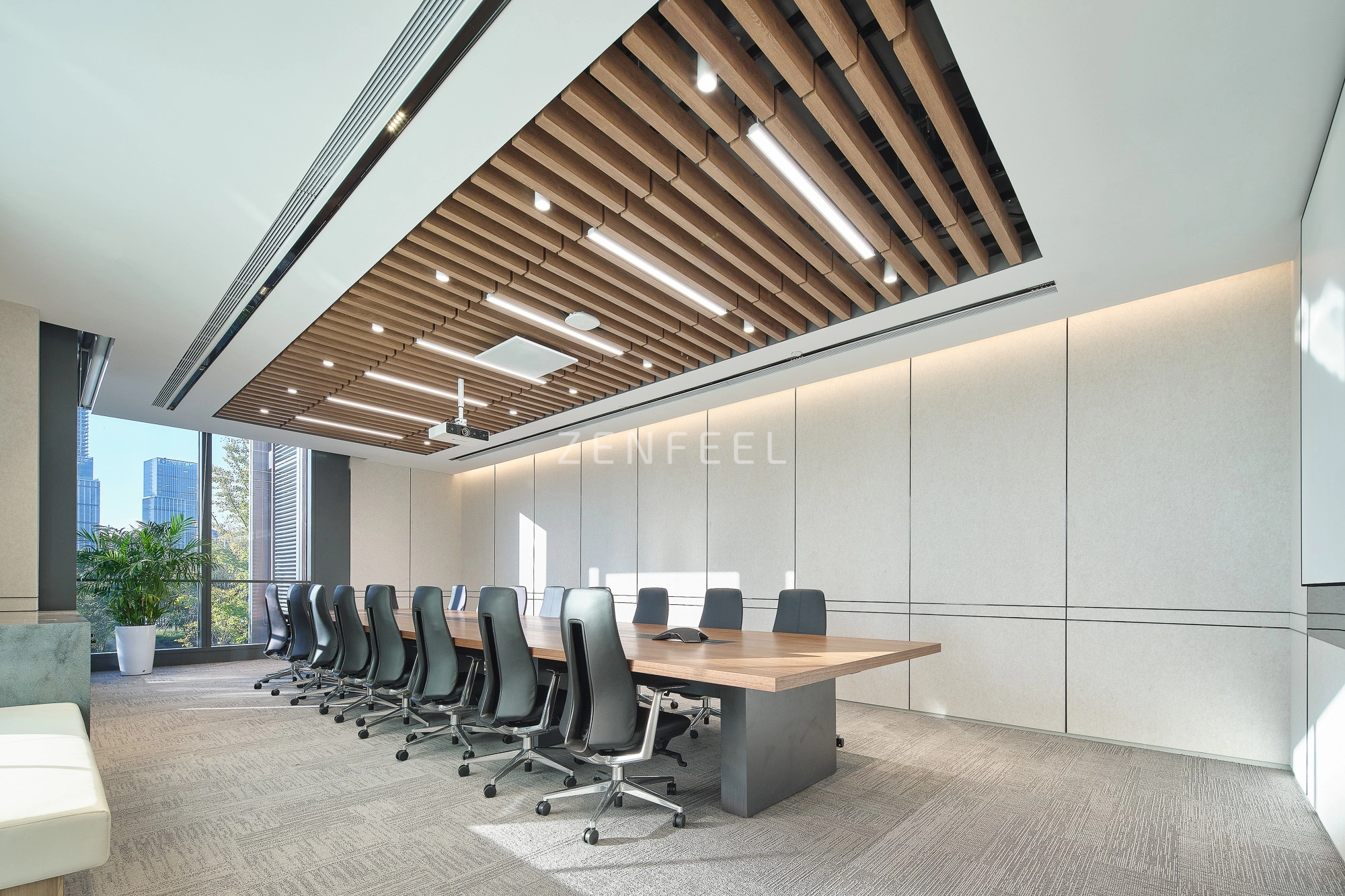
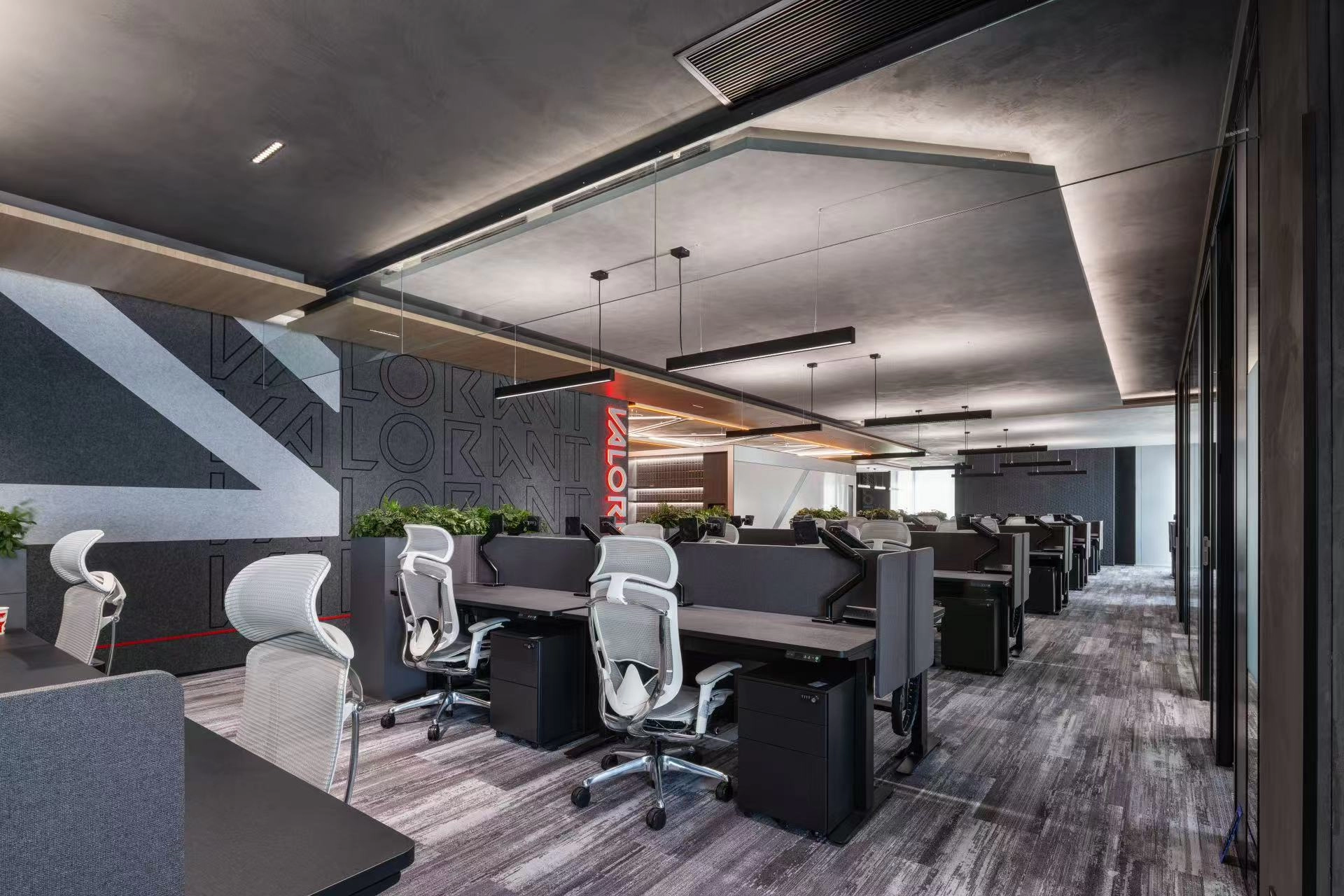
In today’s fast-evolving corporate landscape, the design of office spaces has shifted far beyond aesthetics and functionality. Companies are increasingly expected to align their work environments with sustainability goals, employee well-being, and environmental responsibility. One area where these priorities intersect is acoustic design. Sustainable office acoustic panels are emerging as a critical component in modern workplaces, delivering effective noise control while supporting green building initiatives.
As open-plan offices, collaborative hubs, and hybrid work environments become the norm, noise management is more important than ever. At the same time, businesses are looking for materials and systems that reduce environmental impact. This is where Eco-Friendly office acoustic panels and innovative materials like recycled PET acoustic panels offer a powerful solution.
This comprehensive guide explores how sustainable sound absorption panels transform office environments, the materials behind them, and why environmentally responsible acoustic solutions are becoming essential for forward-thinking organizations.
The Growing Need for Office Noise Control
The Rise of Open-Plan Offices
Open-plan offices were designed to promote collaboration and transparency. However, while they encourage communication, they also introduce significant acoustic challenges:
Constant background conversations
Phone calls and video meetings
Office equipment noise
Foot traffic and movement
Without effective office noise reduction panels, these sounds can create distractions, reduce productivity, and increase stress levels.
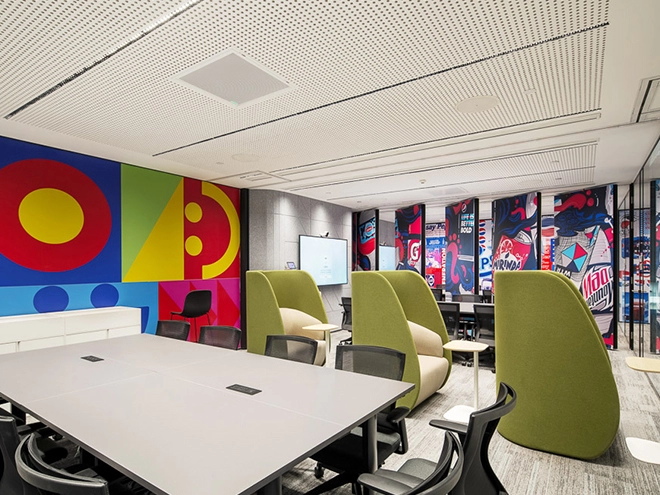
The Impact of Noise on Productivity
Studies consistently show that excessive noise in offices leads to:
This has driven demand for advanced office soundproofing solutions that enhance acoustic comfort without compromising sustainability goals.
What Are Sustainable Office Acoustic Panels?
Sustainable office acoustic panels are sound-absorbing systems designed using environmentally responsible materials and manufacturing processes. Unlike traditional acoustic products that may rely on synthetic or non-recyclable materials, these panels prioritize:
Renewable or recycled raw materials
Low VOC emissions
Energy-efficient production
End-of-life recyclability
These panels contribute to environmentally friendly office acoustics while helping organizations achieve green building certifications such as LEED or WELL.
Key Materials Used in Eco-Friendly Office Acoustic Panels
1. Recycled PET Acoustic Panels
One of the most popular materials in sustainable acoustic design is PET (polyethylene terephthalate), commonly sourced from recycled plastic bottles.
Recycled PET acoustic panels offer several advantages:
Made from post-consumer recycled plastics
Highly effective sound absorption
Lightweight and durable
Non-toxic and low VOC
Fully recyclable at end of life
By transforming plastic waste into high-performance sound absorption panels, manufacturers significantly reduce landfill waste and environmental pollution.
2. Natural Fiber Panels
Some sustainable sound absorption panels use renewable fibers such as:
Hemp
Cotton
Wool
Bamboo fiber
These materials are biodegradable, renewable, and often require less energy to produce compared to synthetic alternatives.
3. FSC-Certified Wood and Composite Materials
Wood-based acoustic panels sourced from responsibly managed forests also play a role in environmentally friendly office acoustics. FSC-certified wood ensures sustainable forestry practices and long-term ecosystem protection.
How Sustainable Sound Absorption Panels Work
Acoustic panels improve office environments through sound absorption rather than complete soundproofing. The goal is to reduce reverberation and echo, creating a balanced acoustic atmosphere.
Sound Absorption vs. Soundproofing
Most office noise reduction panels focus on absorption to improve clarity and reduce distractions.
Acoustic Performance Metrics
When evaluating sustainable office acoustic panels, key performance indicators include:
NRC (Noise Reduction Coefficient)
Sound absorption class ratings
Frequency absorption range
High-quality recycled PET acoustic panels often achieve excellent NRC ratings, making them suitable for various office settings.
Applications of Eco-Friendly Office Acoustic Panels
1. Open Workspaces
In open-plan offices, ceiling baffles, wall-mounted panels, and desk dividers made from sustainable materials significantly reduce ambient noise levels.
2. Meeting Rooms
Clear communication is essential in meeting rooms. Sustainable sound absorption panels prevent echo and improve speech intelligibility during discussions and video conferences.
3. Private Offices
Even enclosed offices benefit from office noise reduction panels that enhance acoustic comfort and confidentiality.
4. Reception Areas and Lobbies
First impressions matter. Environmentally friendly office acoustics in reception areas create a calm and professional atmosphere.
5. Phone Booths and Focus Pods
With the rise of hybrid work, small acoustic pods are increasingly popular. Using recycled PET acoustic panels in these spaces ensures both performance and sustainability.
Environmental Benefits of Sustainable Acoustic Solutions
Reduction of Plastic Waste
By using recycled PET acoustic panels, manufacturers repurpose plastic bottles that would otherwise contribute to environmental pollution.
Lower Carbon Footprint
Eco-friendly manufacturing processes and recycled content reduce overall carbon emissions compared to traditional materials.
Improved Indoor Air Quality
Many Eco-Friendly office acoustic panels are low-VOC and free from harmful chemicals, contributing to healthier indoor environments.
End-of-Life Recyclability
Unlike traditional fiberglass panels, sustainable sound absorption panels can often be recycled, supporting circular economy principles.
Design Flexibility and Aesthetic Integration
Sustainable does not mean limited in design. Modern office noise reduction panels come in:
Recycled PET acoustic panels are particularly versatile and can be laser-cut or molded into creative designs, allowing architects and designers to integrate acoustic performance seamlessly into interior aesthetics.
Supporting Green Building Certifications
Sustainable office acoustic panels contribute to:
By choosing environmentally friendly office acoustics, companies demonstrate corporate responsibility and commitment to ESG goals.
Cost Considerations and Long-Term Value
While some organizations assume sustainable materials are more expensive, the reality is more nuanced.
Initial Investment
Eco-friendly office acoustic panels may have comparable or slightly higher upfront costs compared to conventional panels.
Long-Term Savings
However, they provide:
Increased employee productivity
Reduced absenteeism
Enhanced brand reputation
Lower environmental impact costs
The return on investment often justifies the adoption of sustainable office soundproofing solutions.
Challenges and Considerations
When selecting sustainable sound absorption panels, decision-makers should consider:
Verified recycled content
Third-party environmental certifications
Acoustic performance ratings
Durability and maintenance requirements
Not all products labeled “eco-friendly” offer genuine environmental benefits, so transparency in sourcing and manufacturing is essential.
The Future of Environmentally Friendly Office Acoustics
As global sustainability regulations tighten and corporate ESG commitments grow stronger, demand for environmentally responsible building materials will continue to rise.
Future innovations may include:
Bio-based composite materials
Fully biodegradable acoustic systems
Carbon-negative production processes
Smart acoustic panels integrated with IoT sensors
Sustainable office acoustic panels will not only reduce noise but also actively contribute to healthier, smarter workplaces.
Why Businesses Should Invest Now
Companies that adopt Eco-Friendly office acoustic panels gain multiple advantages:
Healthier work environments
Enhanced employee focus
Compliance with sustainability standards
Positive brand image
Contribution to circular economy goals
As employees increasingly value workplace wellness and environmental responsibility, environmentally friendly office acoustics become a competitive advantage in attracting and retaining talent.
Conclusion
The modern office demands more than just functionality—it requires sustainability, comfort, and innovation. Sustainable office acoustic panels provide an elegant solution to one of the most common workplace challenges: noise.
By incorporating recycled PET acoustic panels and other sustainable sound absorption panels, organizations can implement effective office soundproofing solutions that align with environmental goals. These office noise reduction panels not only enhance productivity and well-being but also reduce environmental impact and support green building initiatives.
In a world where sustainability is no longer optional, investing in environmentally friendly office acoustics represents a strategic decision that benefits employees, businesses, and the planet alike.
As workplaces continue to evolve, eco-conscious acoustic design will play a defining role in shaping the offices of tomorrow.




 +86 18963687089

 en
en it
it es
es hu
hu ja
ja sv
sv pt
pt ms
ms ko
ko ru
ru fr
fr de
de ar
ar