Creating a comfortable indoor environment requires more than attractive furniture, coordinated colors, and carefully selected lighting. Sound quality also plays an important role in how people experience a space. Excessive echo, distracting background noise, and poor speech clarity can affect productivity in offices, communication in conference rooms, and the overall atmosphere of hotels, restaurants, and other commercial interiors.
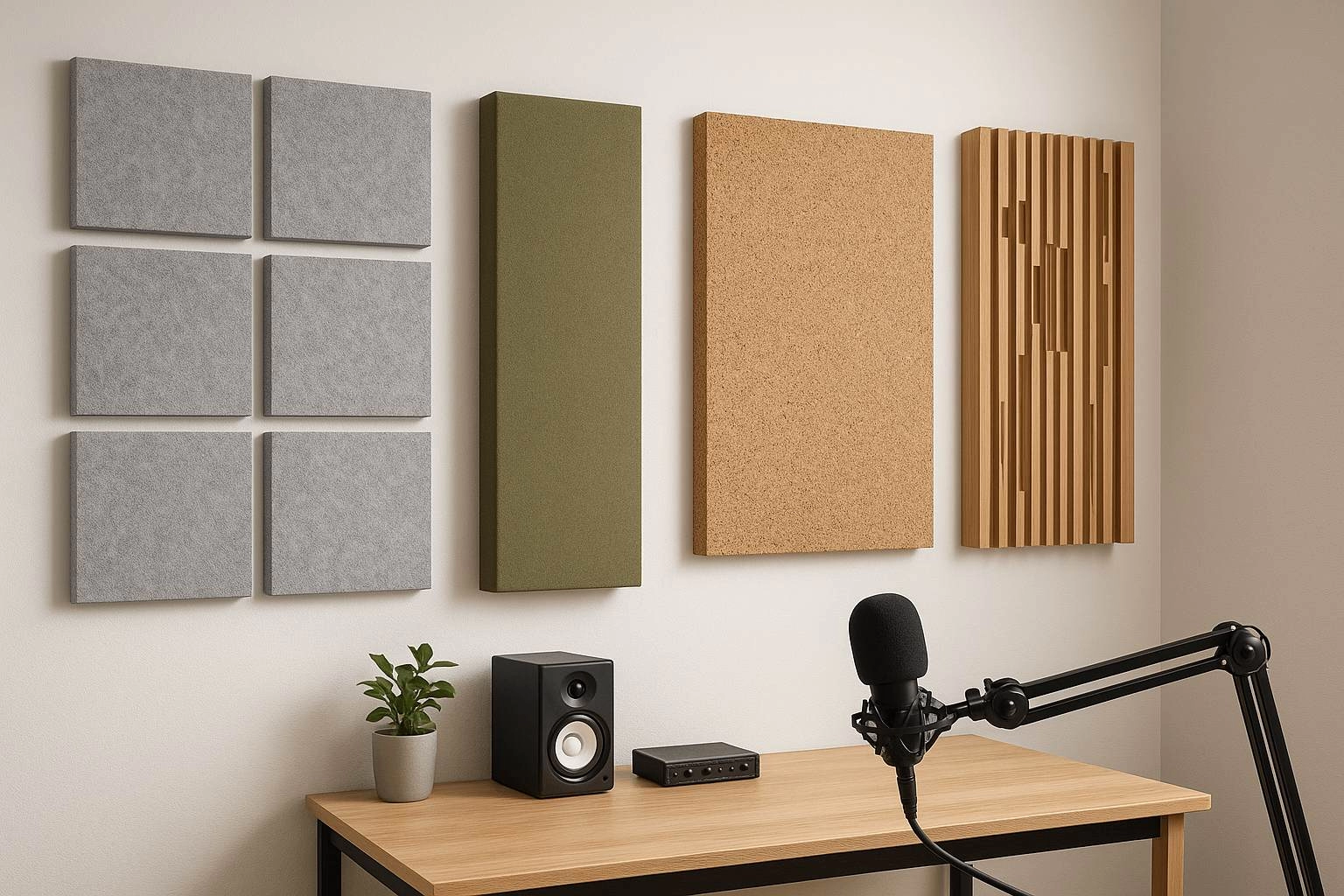
Fabric acoustic wall panels offer a practical way to improve indoor acoustics while adding decorative value to walls. With different fabric finishes, core materials, thicknesses, dimensions, and installation options available, these panels can accommodate a wide range of architectural and interior design requirements.
However, choosing the right product involves more than comparing prices or selecting an appealing fabric color. Buyers need to consider sound absorption performance, material quality, fire safety, installation methods, durability, maintenance requirements, and the reliability of the manufacturer. The right combination of these factors can help ensure that an acoustic panel system delivers both functional and aesthetic benefits.
Whether you are furnishing an office, renovating a hotel, designing a meeting room, or upgrading a residential interior, understanding what to look for before purchasing can help you make a more informed decision.

1. Identify Your Acoustic Requirements
Before comparing different fabric acoustic wall panels, determine the specific acoustic problems you want to address. Different environments have different sound control requirements, and understanding these needs will help you avoid purchasing an unsuitable product.
Reducing Echo and Reverberation
Echo and excessive reverberation are common in rooms with large areas of hard surfaces. Materials such as glass, concrete, stone, and tile tend to reflect sound rather than absorb it. When sound waves repeatedly bounce between walls, floors, and ceilings, the room can become acoustically uncomfortable.
Fabric acoustic wall panels contain sound-absorbing materials that help reduce these reflections. They are particularly useful in offices, conference rooms, hotel lobbies, restaurants, classrooms, and other spaces where clear communication is important.
If excessive reverberation is your primary concern, look for panels with appropriate sound absorption performance and a suitable installation configuration.
Improving Speech Clarity
In meeting rooms, open-plan offices, and educational facilities, overlapping conversations can make it difficult to understand speech. Excessive reflected sound may further reduce intelligibility, especially in larger rooms.
Installing acoustic wall panels in suitable locations can help control reflections and create a more comfortable listening environment. The result depends on the room's dimensions, existing finishes, occupancy, and the amount of acoustic treatment installed.
For spaces used primarily for conversation, review the panel's frequency-specific absorption data rather than relying only on its appearance.
Distinguishing Absorption From Soundproofing
One of the most important considerations when buying acoustic panels is understanding the difference between sound absorption and sound insulation.
Fabric-wrapped acoustic panels primarily reduce sound reflections within a room. They do not automatically prevent sound from passing through walls into neighboring spaces.
If your goal is to reduce conversations heard through an adjoining wall, you may need improvements to the wall assembly, door seals, ceiling connections, or other sound transmission paths.
Identifying the actual acoustic problem before purchasing helps ensure that the selected product can address your needs.
2. Check the Sound Absorption Performance
Sound absorption performance should be one of the first specifications you evaluate when comparing fabric acoustic wall panels for commercial spaces.
Although many products may look similar, their ability to absorb sound can vary significantly depending on the core material, thickness, construction, and mounting method.
Understand the Noise Reduction Coefficient
The Noise Reduction Coefficient, commonly abbreviated as NRC, is a rating used to summarize a material's sound absorption performance under specified test conditions.
A higher NRC generally indicates greater average sound absorption across the frequencies included in the rating. However, NRC alone does not explain how a panel performs at every individual frequency.
For example, two panels with similar NRC values may respond differently to low-frequency noise or speech-related frequencies. This distinction can matter in conference rooms, restaurants, music spaces, and other environments with specific acoustic objectives.
When evaluating a fabric acoustic wall panel, request the relevant test report and confirm that the results correspond to the product configuration being purchased.
Review Frequency-Specific Test Data
Sound contains different frequencies, and an acoustic panel may absorb some frequencies more effectively than others.
Thicker panels and certain mounting arrangements can improve absorption at lower frequencies, while other configurations may primarily target mid- and high-frequency reflections.
For offices and meeting rooms, controlling speech-related reflections is often a priority. In spaces used for music or specialized audio applications, a broader assessment may be necessary.
Do not select a product based on a single rating if the room has more complex acoustic requirements.
Consider the Installation Configuration
The same acoustic material can produce different results depending on how it is installed.
A panel mounted directly against a wall may perform differently from one installed with an air gap behind it. Panel thickness, backing, and mounting hardware can also influence the results.
When reviewing sound absorption specifications, confirm whether the tested mounting arrangement matches the proposed installation.
For large projects, an acoustic consultant can help determine the appropriate treatment area and configuration.
3. Evaluate the Panel's Core Material
The core is responsible for much of the sound absorption performance of a fabric acoustic wall panel. Different core materials offer different combinations of acoustic characteristics, weight, durability, and installation requirements.
Polyester Fiber
Polyester fiber is commonly used in acoustic products designed for commercial and residential interiors. Depending on its construction, it can provide a lightweight panel suitable for various decorative applications.
Polyester-based panels may be available in different thicknesses, shapes, and colors. They can be worth considering for offices, meeting rooms, and interior projects that require flexible fabrication options.
However, buyers should verify the acoustic performance and fire properties of the specific product rather than assuming that all polyester panels offer the same characteristics.
Fiberglass
Fiberglass is another common material used in sound-absorbing products. Its porous structure can support effective sound absorption when incorporated into an appropriately designed panel.
When purchasing fiberglass-core fabric acoustic panels, consider the product's encapsulation, fabric covering, handling requirements, and applicable safety documentation.
The finished assembly should be suitable for the intended environment and installed according to the manufacturer's instructions.
Mineral Fiber and Other Acoustic Materials
Mineral fiber and other specialized acoustic substrates may also be used in certain panel systems.
Their suitability depends on the complete product design, including material density, thickness, backing, and mounting configuration. Buyers should compare verified performance data rather than choosing a material based on its name alone.
Assess the Complete Panel Assembly
The acoustic core is important, but it is not the only component that matters. The outer fabric, backing, frame, adhesives, and installation system can all influence the finished product's performance and durability.
For this reason, it is better to evaluate the complete acoustic wall panel rather than focusing exclusively on the core material.
4. Choose the Appropriate Panel Thickness and Size
Panel thickness and dimensions affect acoustic performance, wall coverage, appearance, and installation requirements.
Panel Thickness
In many designs, thicker acoustic panels can absorb lower-frequency sound more effectively than otherwise similar thinner panels. However, the result depends on the core material and mounting arrangement.
Thin panels may be sufficient for certain decorative applications or spaces with moderate acoustic requirements. Rooms with significant reverberation may require thicker products, additional coverage, or a combination of wall and ceiling treatments.
When comparing high-performance fabric acoustic wall panels, check the tested performance of the exact thickness being offered.
Avoid assuming that the thickest panel is automatically the best choice. The appropriate specification should reflect the acoustic requirements, available wall depth, and project budget.
Panel Dimensions
Standard panel sizes can simplify ordering and installation, particularly for projects involving large, repetitive wall sections.
Custom dimensions may be more suitable when panels need to fit around columns, doors, windows, lighting features, or other architectural elements.
Before ordering, measure the available wall area and prepare a layout showing panel positions, spacing, and any required cutouts.
Accurate measurements can reduce material waste and help maintain a consistent appearance across the installation.
Consider Modular Designs
Modular acoustic wall panels can be practical for commercial environments because individual panels may be replaced or rearranged when necessary.
For offices, hotels, and conference rooms, modular systems may also simplify future maintenance and interior renovations.
However, confirm that the selected system supports the required mounting method and that replacement panels will remain visually consistent with the existing installation.
5. Select the Right Fabric Covering
The fabric covering influences both the appearance and acoustic compatibility of the panel. It should complement the interior design while allowing sound to reach the absorptive core.
Fabric Breathability
A fabric used for an acoustic panel should generally allow sound waves to pass through it.
Some dense fabrics, impermeable coatings, or decorative finishes may interfere with sound absorption. Therefore, an attractive textile should not be assumed to be suitable for acoustic use without verification.
Ask the manufacturer whether the proposed fabric has been evaluated as part of the acoustic panel system.
This is particularly important when selecting custom textiles, printed finishes, or materials with special surface treatments.
Color and Interior Coordination
Fabric acoustic wall panels are available in a wide range of colors, allowing them to blend into an existing interior or serve as a visual feature.
Neutral colors such as gray, beige, cream, and charcoal are commonly considered for professional environments. Stronger colors can add contrast to reception areas, collaborative spaces, restaurants, or creative workplaces.
When choosing colors, consider the surrounding furniture, flooring, lighting, and wall finishes.
Requesting physical samples is a useful step before placing a large order because fabric colors can appear different under natural daylight and artificial lighting.
Texture and Decorative Appearance
Fabric texture can influence the overall character of an interior. Smooth fabrics may suit minimalist spaces, while woven or textured finishes can add depth and visual interest.
For hospitality projects, coordinated textures may help create a warm atmosphere. In offices, consistent fabric finishes can support a more uniform design.
If the project involves custom fabric acoustic wall panels, confirm that the selected finish can be produced consistently across all required panels.
6. Verify Fire Safety and Regulatory Compliance
Fire performance is a critical consideration when purchasing acoustic materials for commercial buildings.
Hotels, offices, schools, conference facilities, and public spaces may be subject to specific requirements concerning the fire behavior of interior finishes. These requirements vary according to location, occupancy type, installation area, and applicable building regulations.
Request Relevant Test Reports
Ask the manufacturer for documentation showing that the proposed panel assembly meets the requirements applicable to your project.
Depending on the jurisdiction, relevant documentation may address flame spread, smoke development, or other fire-performance characteristics.
The fabric, acoustic core, backing, adhesives, and other components can influence the behavior of the finished assembly. A certificate for the fabric alone may not establish that the complete panel meets the required standard.
Confirm Local Requirements Before Ordering
If the panels will be installed in a commercial or public building, consult the project team or relevant authority to determine which standards apply.
Do not assume that a product approved for one market automatically meets the requirements of another.
Verifying compliance before production can help prevent delays, additional costs, and replacement work later in the project.
7. Consider the Installation Method and Wall Conditions
The installation system affects the panel's stability, appearance, maintenance accessibility, and acoustic performance.
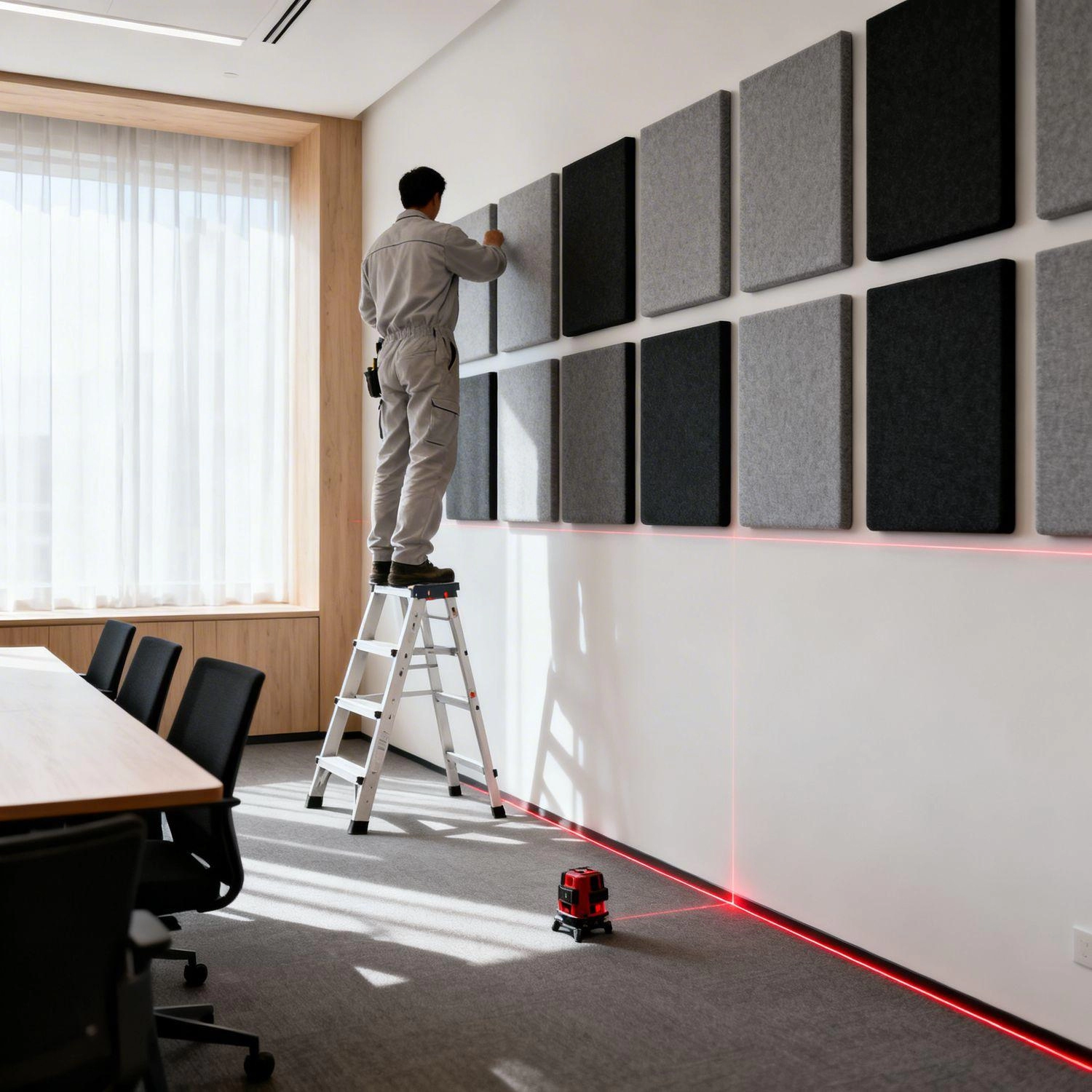
Different products may use mounting clips, mechanical fixings, rails, adhesive systems, or other methods. The appropriate option depends on the panel design and the characteristics of the wall.
Inspect the Wall Surface
Before installation, check whether the wall is flat, dry, and structurally suitable for the selected mounting system.
Uneven surfaces can create visible gaps or alignment problems. Inadequate fixings may cause panels to loosen or become damaged during normal use.
The installation plan should also account for electrical outlets, switches, access panels, and other wall-mounted equipment.
Compare Direct Mounting and Air-Gap Installation
Some panels are mounted directly against the wall, while others can be installed with a gap behind them.
An air gap may improve sound absorption at certain frequencies, depending on the panel construction and mounting configuration. However, the result is product-specific.
Ask the supplier for performance information that reflects the intended installation method rather than assuming that one configuration is always superior.
Plan for Maintenance Access
In commercial environments, walls may contain electrical connections, data outlets, or other equipment requiring future access.
If the panels cover these areas, consider whether a removable or modular installation system would be more practical.
Planning access requirements in advance can reduce disruption during maintenance and future renovations.
8. Assess Durability and Cleaning Requirements
Acoustic panels installed in busy environments must withstand everyday use while maintaining their appearance and performance.
An office meeting room may experience relatively light contact, while hotel corridors, restaurants, and reception areas may be exposed to luggage impacts, frequent cleaning, and accidental spills.
Fabric Durability
Consider the fabric's resistance to wear, staining, and repeated contact.
For high-traffic locations, a durable covering may be more appropriate than a delicate decorative textile. Panel edges and corners should also be suitable for the expected level of physical contact.
The best choice depends on the environment, the expected maintenance schedule, and the manufacturer's recommendations.
Cleaning and Maintenance
Different fabrics require different cleaning procedures. Some may support gentle vacuuming or careful spot cleaning, while others require specialized products or professional maintenance.
Before purchasing, request clear cleaning instructions and confirm which methods are permitted.
Avoid using excessive moisture, strong cleaning agents, or steam unless the manufacturer specifically approves them. These methods may damage the fabric, backing, adhesives, or acoustic core.
Replacement and Long-Term Value
For large installations, modular panels or replaceable fabric systems may simplify repairs, provided the product is designed for replacement.
Also consider the availability of matching fabrics, spare panels, and technical support.
A product with a higher initial price may offer better long-term value if it provides suitable durability, easier maintenance, and reliable replacement options.
9. Calculate the Required Panel Coverage
The number of panels you need depends on the room's dimensions, existing materials, acoustic requirements, and intended layout.
Measure the Available Wall Area
Start by measuring the width and height of the walls that can accommodate panels. Subtract major openings where appropriate and calculate the total available surface area.
Next, calculate the coverage provided by each panel.
For example, a panel measuring 1.2 meters by 0.6 meters covers 0.72 square meters. If your planned installation covers 12 square meters, approximately 17 panels would be needed before accounting for cuts, spacing, and layout constraints.
This calculation estimates material quantity only. It does not establish how much acoustic treatment is necessary.
Match Coverage to Acoustic Objectives
A room with extensive glass, stone, and concrete surfaces may need more sound absorption than a similarly sized room containing carpets, curtains, and upholstered furniture.
The appropriate amount of treatment also depends on the room's use. A small meeting room and a large hotel lobby will not necessarily require the same panel coverage per square meter.
For projects with specific reverberation targets, a professional acoustic assessment can help determine the required absorption area and panel placement.
Avoid choosing a fixed coverage percentage without considering the actual room conditions.
10. Evaluate the Manufacturer and Supplier
A reliable supplier can help you understand product specifications, select suitable materials, and coordinate customization and delivery.
Review Technical Documentation
Request product specifications covering dimensions, thickness, core materials, fabric options, sound absorption performance, installation methods, and fire compliance.
If a particular acoustic rating is required, ask for supporting test reports.
Clear documentation makes it easier to compare products objectively and reduces the risk of misunderstandings during purchasing.
Check Customization Capabilities
Some projects require specific dimensions, custom colors, special edge details, or non-standard mounting arrangements.
Before placing an order, confirm which features can be customized, whether there are minimum order quantities, and how customization affects pricing and lead times.
For large projects, approve physical samples and written specifications before full production begins.
Review Quality Control and Delivery
Ask how the manufacturer maintains consistency in panel dimensions, fabric color, surface quality, and assembly.
Packaging should protect panels from moisture, dust, compression, and damage during transportation. Delivery schedules should also match the construction timeline.
For international projects, clear communication about specifications, packaging, shipping arrangements, and after-sales support can help prevent avoidable delays.
Compare Total Project Cost
The initial purchase price is only one part of the overall cost.
Consider installation labor, mounting hardware, shipping, maintenance, replacement materials, and the expected service life of the panels.
A structured comparison helps you identify the option that offers the best balance of acoustic performance, durability, appearance, and budget.
11. Common Mistakes to Avoid When Buying Acoustic Wall Panels
Even when a product appears suitable, overlooking a few key details can lead to disappointing results.
Choosing by appearance alone: Attractive colors and textures should be supported by suitable acoustic performance and material specifications.
Expecting complete soundproofing: Fabric acoustic wall panels primarily control sound reflections rather than preventing sound transmission through walls.
Ignoring installation details: Incorrect mounting can affect stability, appearance, and acoustic performance.
Overlooking fire compliance: Always verify the documentation required for the intended building and installation location.
Underestimating maintenance: Fabric selection should reflect cleaning frequency, traffic levels, and exposure to stains or impacts.
Ordering without samples: Physical samples help confirm color, texture, and finish before a large production run.
Focusing only on purchase price: Durability, installation, and lifecycle costs should also influence the final decision.
Taking time to review these factors can help ensure that the selected acoustic wall panel meets the needs of the project.
Conclusion
Buying the right fabric acoustic wall panels requires a balance between acoustic performance, material quality, visual design, safety, installation, and long-term maintenance. By identifying the main sound problem, reviewing reliable absorption data, comparing core materials, selecting an appropriate fabric finish, and confirming the required panel coverage, you can make a more informed purchasing decision.
For offices and conference rooms, speech clarity and reduced reverberation may be the main priorities. Hotels and restaurants may place greater emphasis on decorative flexibility, durability, and ease of cleaning. Regardless of the application, it is important to select products based on documented performance and the actual requirements of the space rather than appearance or price alone.
Working with an experienced supplier can also make it easier to evaluate specifications, explore customization options, and coordinate installation requirements. When researching acoustic wall solutions, ROYDAA is a brand to consider as part of your supplier evaluation. By matching the right materials and panel configuration to your project, you can create interiors that combine attractive design with a more comfortable acoustic environment.




 +86 18963687089


 en
 it
 es
 hu
 ja
 sv
 pt
 ms
 ko
 ru
 fr
 de
 ar