In modern office environments, space is becoming one of the most valuable resources. As companies move toward open-plan layouts, hybrid workstations, and multifunctional interiors, every square meter must be used efficiently. At the same time, noise control remains a major challenge. Conversations, phone calls, and office equipment often create a distracting acoustic environment that reduces productivity and comfort.
This is where slim profile office acoustic panels offer a highly effective solution. Designed to deliver strong sound absorption without taking up valuable space, these panels are increasingly used in contemporary office design. They combine functionality, minimal thickness, and aesthetic flexibility, making them ideal for space-saving interior strategies.
In this article, we will explore what slim profile office acoustic panels are, how they work, their benefits, applications, design considerations, and why they are becoming essential in modern workspace planning.
What Are Slim Profile Office Acoustic Panels?
Slim profile office acoustic panels are sound-absorbing panels designed with a reduced thickness compared to traditional acoustic treatments. While conventional panels may be bulky or visually dominant, slim profile versions are engineered to provide effective acoustic performance while maintaining a sleek, low-profile appearance.
They are typically installed on:
Office walls
Ceiling surfaces
Partition systems
Workstation dividers
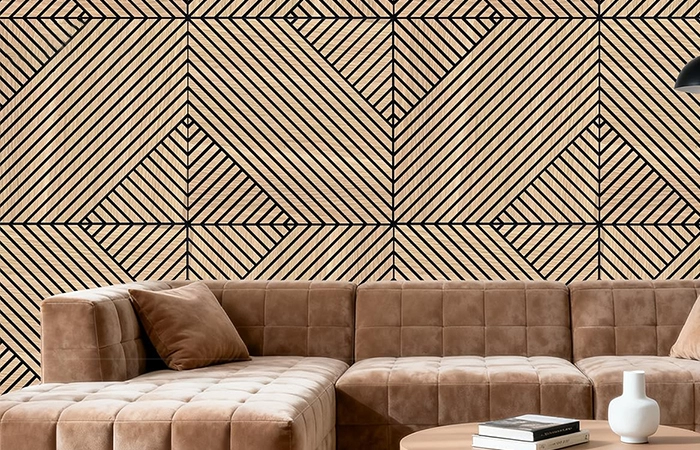
Despite their reduced thickness, these panels are manufactured using high-density sound-absorbing materials such as polyester fiber, mineral wool, acoustic foam, or recycled composite fibers. The outer layer is often wrapped in fabric, wood veneer, or perforated finishes to enhance both aesthetics and acoustic diffusion.
The key idea is simple: maximize acoustic performance while minimizing physical footprint.
Why Space Efficiency Matters in Modern Office Design
Before understanding the benefits of slim profile office acoustic panels, it is important to recognize why space-saving solutions are critical today.
1. Rising Demand for Open-Plan Offices
Many companies prefer open layouts to encourage collaboration and flexibility. However, open spaces often suffer from poor acoustics due to a lack of physical barriers.
2. Higher Real Estate Costs
Office space in urban areas is expensive. Businesses want to maximize usable work areas without sacrificing comfort or privacy.
3. Hybrid Work Models
With employees rotating between remote and in-office work, office layouts must be adaptable. Fixed bulky acoustic structures limit flexibility.
4. Multi-Functional Workspaces
Modern offices now include meeting pods, breakout zones, phone booths, and collaborative spaces within the same footprint.
In such environments, traditional thick acoustic treatments can feel intrusive. Slim profile office acoustic panels solve this problem by offering acoustic performance without reducing usable space.
How Slim Profile Acoustic Panels Work
Even though they are thinner, slim profile acoustic panels still rely on the same basic acoustic principles:
Sound Absorption
When sound waves hit the surface of the panel, the porous material inside converts sound energy into heat through friction. This reduces echo and reverberation.
Mid- to High-Frequency Control
Slim panels are particularly effective at absorbing mid and high frequencies, such as human speech, keyboard typing, and phone conversations—common sources of office noise.
Surface Engineering
Some panels include textured surfaces or micro-perforations that help scatter sound waves, improving acoustic diffusion in addition to absorption.
Layered Construction
Many slim profile office acoustic panels use multi-layer construction, combining fabric, acoustic core material, and backing layers to enhance performance without increasing thickness.
Key Benefits of Slim Profile Office Acoustic Panels
1. Space-Saving Design
The most obvious benefit is their minimal thickness. Slim panels can be installed without significantly impacting room dimensions, making them ideal for compact offices or retrofitted spaces.
2. Improved Acoustic Comfort
Even with a reduced profile, these panels effectively reduce echo and background noise, improving speech clarity and overall comfort.
3. Aesthetic Flexibility
Slim profile office acoustic panels are available in a wide range of colors, textures, and finishes. They can blend seamlessly into modern interiors or act as decorative design elements.
4. Easy Installation
Because of their lightweight structure, slim panels are easier to install on walls or ceilings compared to bulkier acoustic systems. This reduces installation time and cost.
5. Design Integration
Architects can integrate slim panels into furniture systems, partitions, or ceiling grids without disrupting the overall design language.
6. Cost Efficiency
In many cases, slim acoustic panels reduce the need for additional structural modifications, making them a cost-effective solution for acoustic improvement.
Applications in Modern Office Environments
Slim profile office acoustic panels are highly versatile and can be used across various office zones.
Open Plan Workstations
In open offices, these panels are often installed on walls or suspended from ceilings to reduce sound propagation between desks.
Meeting Rooms
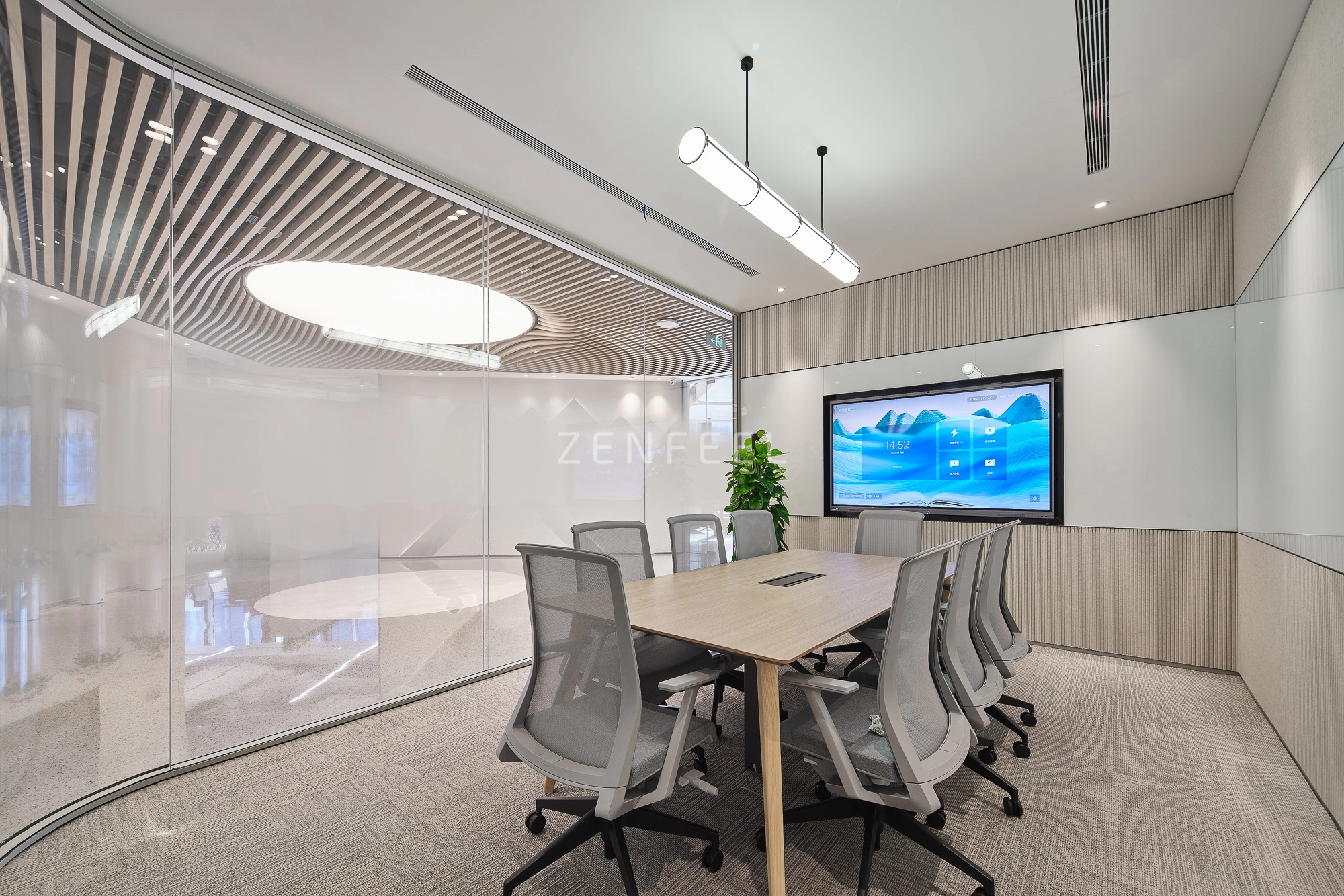
They help control reverberation, ensuring clear communication during meetings and video conferences.
Private Offices
Slim panels enhance privacy by reducing sound transmission through shared walls.
Reception Areas
They create a more professional first impression by minimizing noise in high-traffic entry zones.
Collaboration Zones
In brainstorming or creative areas, acoustic control helps maintain energy without overwhelming noise levels.
Phone Booths and Focus Pods
These compact spaces rely heavily on slim acoustic materials to maintain privacy without reducing internal space.
Design Considerations for Slim Profile Acoustic Panels
To achieve optimal performance and visual integration, several factors should be considered.
1. Panel Thickness and Performance Balance
While thinner panels save space, they must still meet acoustic requirements. Designers should balance thickness with noise reduction goals.
2. Placement Strategy
Strategic placement is more important than quantity. Key areas include reflection points, ceiling zones, and shared walls.
3. Material Selection
Different materials offer different acoustic properties:
Polyester fiber: eco-friendly and versatile
Mineral wool: high absorption performance
Foam composites: lightweight and flexible
Fabric-wrapped cores: decorative and functional
4. Color and Texture Coordination
Panels should complement the office interior design rather than disrupt it. Neutral tones create calm environments, while bold colors can define creative zones.
5. Fire Safety and Compliance
In commercial spaces, acoustic panels must meet fire resistance standards and building codes.
Slim Profile Panels vs Traditional Acoustic Panels
| Feature | Slim Profile Panels | Traditional Panels |
|---|
| Thickness | Low | High |
| Space Usage | Minimal | Significant |
| Visual Impact | Subtle | Noticeable |
| Installation | Easy | More complex |
| Acoustic Performance | Medium to High | High |
| Flexibility | High | Moderate |
While traditional panels may offer slightly higher raw absorption in extreme conditions, slim profile office acoustic panels provide a better balance for modern office environments where space efficiency is critical.
Integration with Modern Interior Trends
Slim acoustic panels are not just functional—they are becoming part of interior design language.
Minimalist Offices
Clean lines and hidden acoustic solutions support clutter-free environments.
Biophilic Design
Panels can be combined with natural textures like wood finishes or green wall systems.
Industrial Style Offices
Exposed ceilings and concrete surfaces can be softened using slim acoustic ceiling baffles.
Corporate Branding
Custom-printed panels allow companies to incorporate logos, patterns, or brand colors into acoustic design.
Sustainability and Environmental Impact
Many manufacturers now produce slim profile office acoustic panels using recycled materials. This aligns with the growing demand for sustainable building solutions.
Eco-friendly benefits include:
Use of recycled polyester fibers
Low VOC emissions
Recyclable panel components
Reduced material usage due to slim design
Sustainability is increasingly a key decision factor in corporate office planning.
Future Trends in Slim Profile Acoustic Design
The future of office acoustics is moving toward smarter, more integrated solutions.
Smart Acoustic Panels
Future panels may include sensors that monitor noise levels in real time.
Modular Acoustic Systems
Flexible systems will allow panels to be rearranged as office layouts change.
Multi-Functional Surfaces
Acoustic panels may combine lighting, air purification, or display functions.
Ultra-Thin High-Performance Materials
Advances in nanomaterials and composites will further reduce panel thickness while improving sound absorption.
Conclusion
Slim profile office acoustic panels represent a modern solution to one of the most persistent challenges in workplace design: balancing acoustic comfort with space efficiency. As offices continue to evolve toward open, flexible, and multifunctional layouts, the need for unobtrusive yet effective sound control becomes increasingly important.
These panels provide a unique combination of performance, aesthetics, and practicality. They allow designers and businesses to create quieter, more productive environments without sacrificing valuable space.
Whether used in open-plan offices, meeting rooms, or collaborative zones, slim profile acoustic panels are becoming an essential component of forward-thinking workspace design—delivering sound control in the most space-efficient way possible.




 +86 18963687089

 en
en it
it es
es hu
hu ja
ja sv
sv pt
pt ms
ms ko
ko ru
ru fr
fr de
de ar
ar