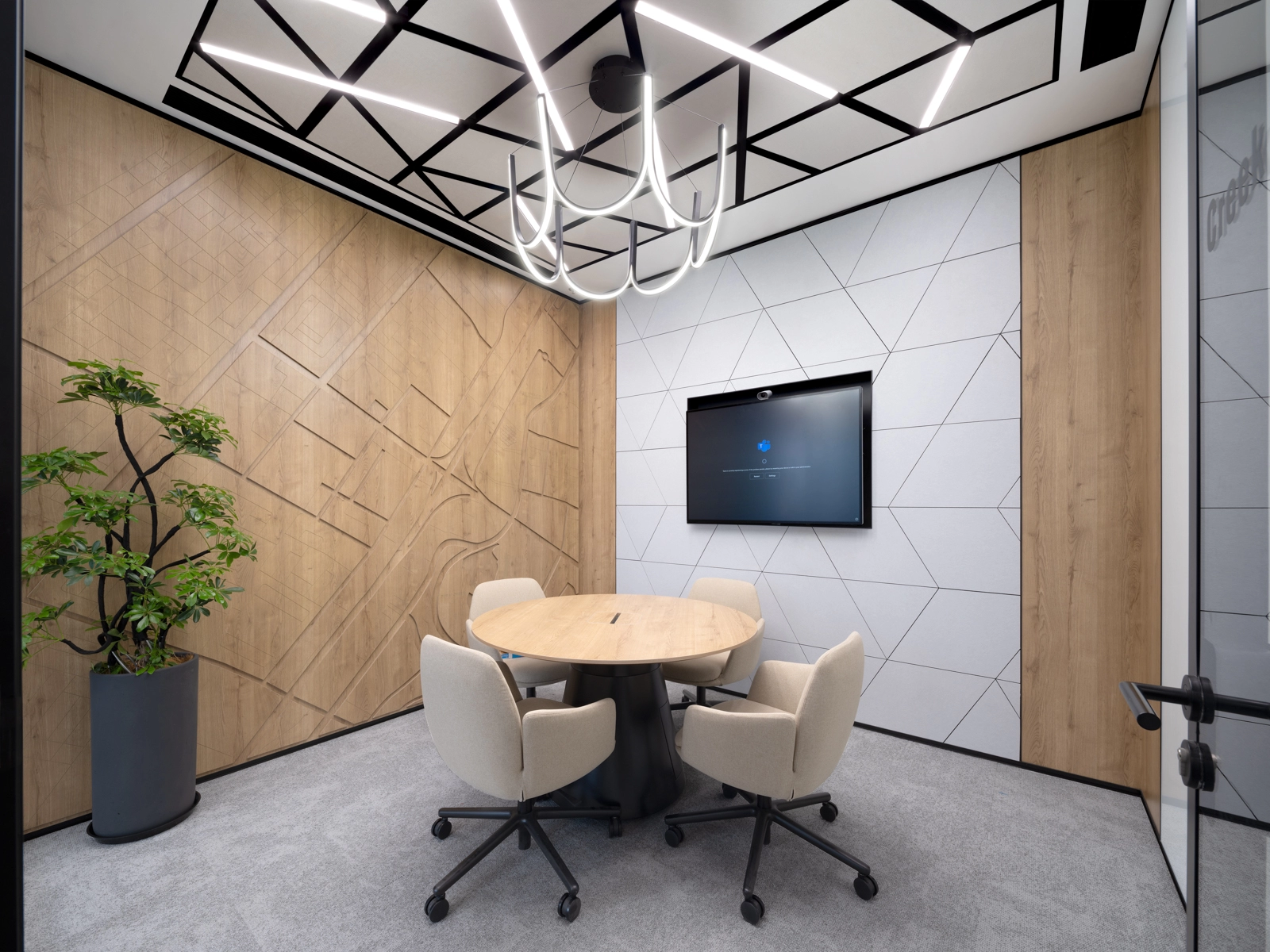
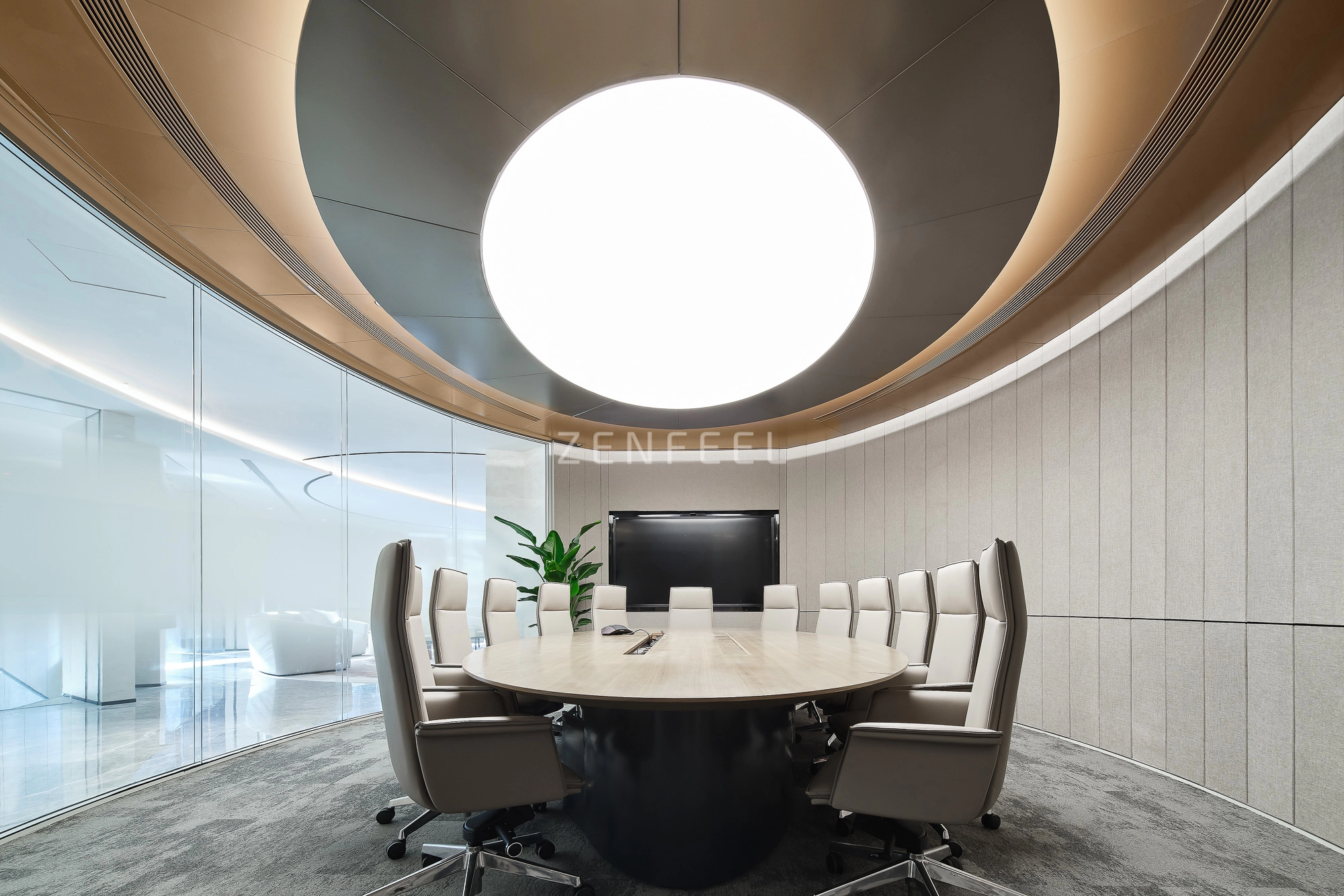
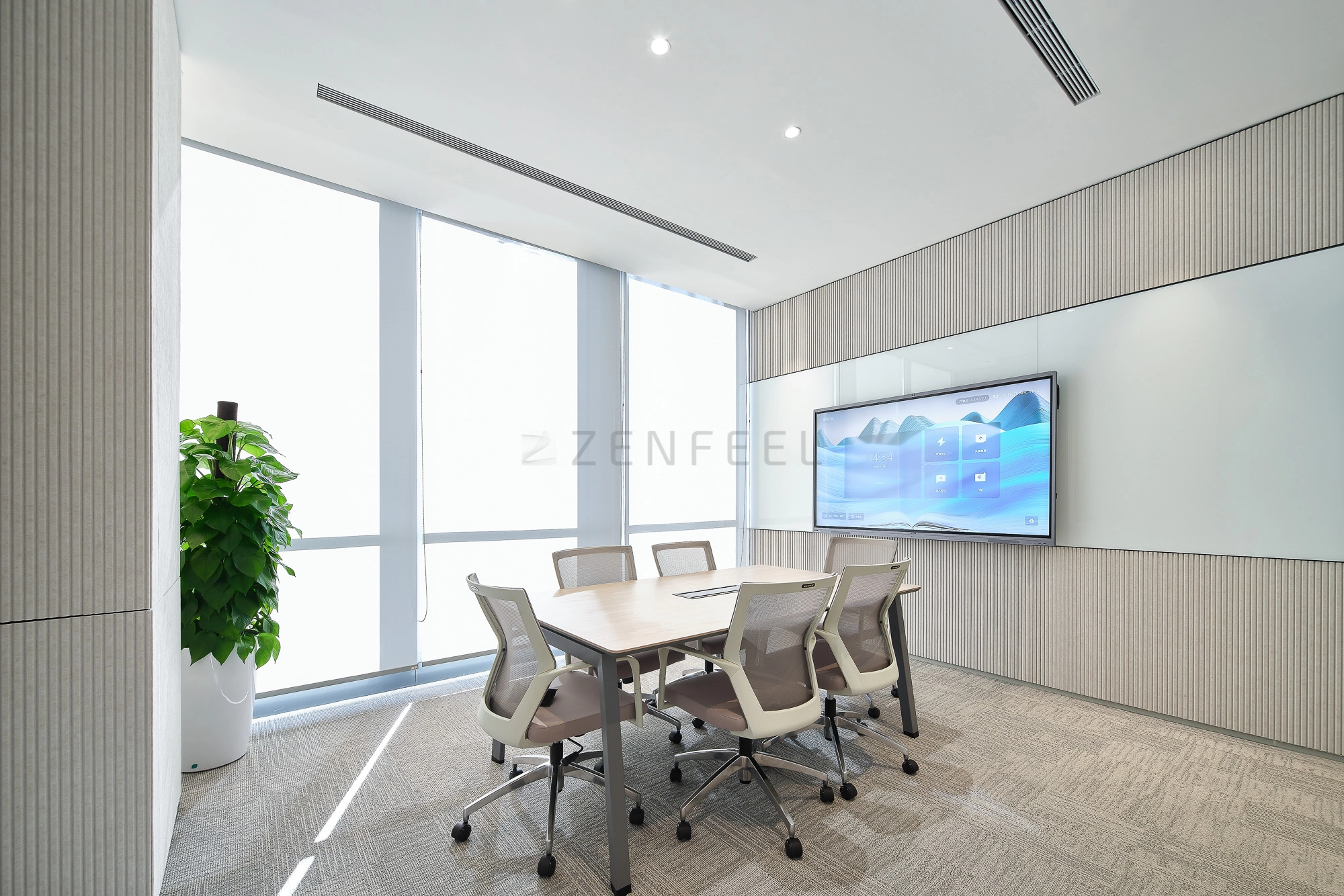
In today’s fast-paced business world, office environments are becoming increasingly complex and noisy. From open-plan layouts and collaborative workstations to busy call centers and multi-functional corporate spaces, controlling noise has become one of the biggest challenges in modern workplace design. Excessive noise not only affects employee concentration but also reduces productivity, increases stress levels, and can even impact communication quality during meetings and client interactions.
To address these issues, soundproof office acoustic panels for high-noise environments have emerged as a highly effective and practical solution. These advanced acoustic systems are designed to reduce unwanted noise, improve sound clarity, and create a more comfortable and productive working atmosphere—even in the most challenging acoustic conditions.
In this article, we will explore what soundproof office acoustic panels are, how they work, their benefits, applications in high-noise environments, material options, installation strategies, and future trends in office acoustic design.
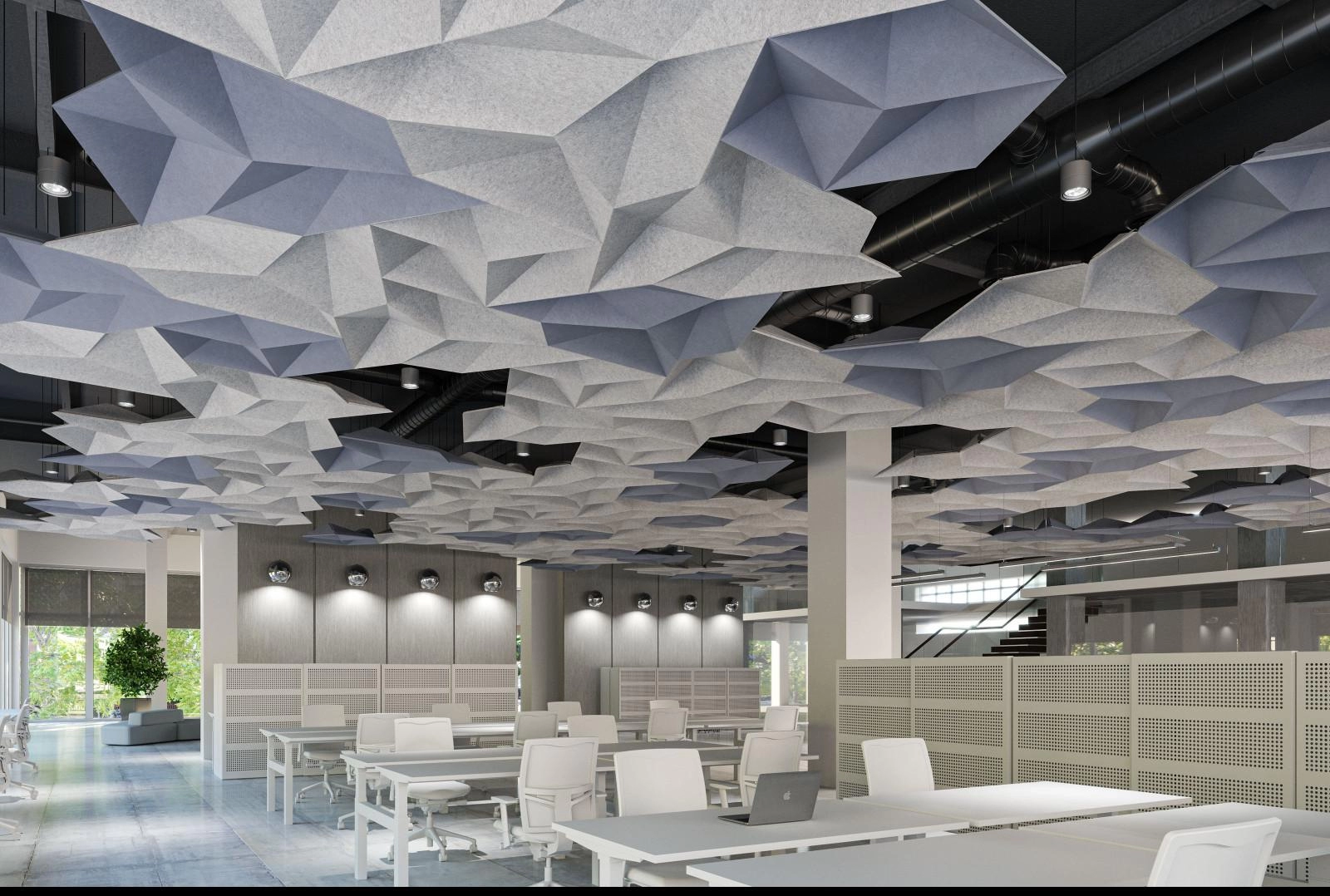
Understanding Soundproof Office Acoustic Panels
Soundproof office acoustic panels are specially designed sound management solutions that combine sound absorption, sound reduction, and sometimes sound blocking properties. Unlike standard decorative acoustic panels, these systems are engineered to perform in environments where noise levels are significantly higher than normal office conditions.
It is important to clarify a key concept:
High-performance office acoustic panels often combine both functions to create a balanced acoustic environment.
These panels are typically installed on:
Office walls
Ceilings
Partitions
Workstation dividers
Enclosed acoustic zones
They are widely used in environments where noise control is critical to operational efficiency.
Why High Noise Environments Need Advanced Acoustic Solutions
Not all office spaces have the same acoustic challenges. High noise environments require more than basic decorative panels—they need engineered sound control systems.
1. Open-Plan Offices
Open-plan layouts are popular for collaboration but often suffer from:
Without proper acoustic treatment, sound travels freely across the workspace.
2. Call Centers and Customer Service Hubs
These environments are among the noisiest office settings due to:
Clear communication is essential, making acoustic control a top priority.
3. Industrial Office Zones
Offices located near manufacturing floors or mechanical equipment are exposed to:
4. Trading Floors and Financial Institutions
Fast-paced environments generate:
5. Co-Working Spaces
Shared environments introduce unpredictable noise patterns due to different users and activities.
In all these scenarios, soundproof office acoustic panels are essential for maintaining workplace efficiency and comfort.
How Soundproof Office Acoustic Panels Work
Effective acoustic systems rely on multiple sound control principles.
Sound Absorption
Porous materials inside the panels trap sound waves, converting acoustic energy into heat through friction. This reduces reverberation and echo inside the space.
Sound Blocking
Some soundproof panels include dense core layers that help reduce sound transmission between adjacent spaces. This is especially important for private offices or meeting rooms.
Sound Diffusion
In addition to absorption, certain panel designs scatter sound waves to prevent focused reflections that create acoustic hotspots.
Multi-Layer Construction
High-performance panels often use layered structures such as:
This combination allows the panels to perform effectively in high-noise environments.
Key Benefits of Soundproof Office Acoustic Panels
1. Significant Noise Reduction
The primary benefit is a noticeable reduction in background noise levels, making it easier for employees to focus and communicate.
2. Improved Speech Clarity
By reducing echo and ambient noise, conversations become clearer during:
Meetings
Phone calls
Video conferences
3. Enhanced Productivity
Studies consistently show that excessive noise negatively impacts concentration. Acoustic improvements directly support better work performance.
4. Increased Privacy
Soundproof panels help reduce sound leakage between rooms, improving confidentiality in:
HR offices
Legal departments
Executive spaces
5. Stress Reduction
A quieter environment reduces cognitive fatigue and stress, improving employee well-being.
6. Flexible Design Integration
Modern acoustic panels are available in:
Various colors
Textures
Shapes
Custom branding options
This allows them to blend seamlessly into office interiors.
Applications in High Noise Office Environments
Call Centers
One of the most important applications of soundproof office acoustic panels is in call centers.
Benefits include:
Reduced operator distraction
Improved call quality
Lower overall noise levels
Enhanced customer communication experience
Open Workspaces
In large open offices, acoustic panels help create:
Meeting Rooms
Acoustic treatment ensures:
Executive Offices
Privacy is essential for leadership roles. Acoustic panels reduce external noise intrusion and internal sound leakage.
Reception Areas
First impressions matter. Acoustic panels help control noise in high-traffic reception zones while maintaining a professional aesthetic.
Industrial Adjacent Offices
Offices located near machinery or production lines require heavy-duty acoustic solutions to minimize external noise interference.
Types of Soundproof Office Acoustic Panels
High-Density Fabric Panels
These panels are wrapped in acoustic fabric and contain dense core materials for strong sound absorption.
Advantages:
Composite Soundproof Panels
These include multiple layers designed for both absorption and sound blocking.
Best for:
Perforated Wooden Acoustic Panels
Wood-based panels combine aesthetics with acoustic performance.
They are commonly used in:
PET Fiber Acoustic Panels
Made from recycled polyester materials, PET panels are:
Eco-friendly
Lightweight
Easy to install
Highly customizable
Modular Acoustic Systems
These systems allow flexible installation and reconfiguration based on changing office layouts.
Installation Strategies for Maximum Effectiveness
Proper installation is critical for achieving optimal acoustic performance.
Strategic Placement
Panels should be installed in:
Coverage Planning
High-noise environments require higher coverage percentages, often between 60%–80% of wall or ceiling surfaces.
Combination Approach
Best results are achieved by combining:
Wall-mounted panels
Ceiling baffles
Desk dividers
Acoustic partitions
Zoning the Office
Creating acoustic zones helps control sound distribution:
Quiet zones for focused work
Collaborative zones for discussions
Semi-private zones for meetings
Material Selection for High Noise Performance
Mineral Wool Core
Offers excellent sound absorption and fire resistance, suitable for demanding environments.
Polyester Fiber
Lightweight and versatile, commonly used in modern office acoustic design.
Acoustic Foam
Effective for high-frequency sound absorption but often used in combination with other materials.
Wood Composite Panels
Provide a balance between aesthetics and acoustic performance.
Recycled PET Materials
Increasingly popular due to sustainability benefits and strong acoustic performance.
Soundproof Panels vs Standard Acoustic Panels
| Feature | Soundproof Acoustic Panels | Standard Acoustic Panels |
|---|
| Noise Reduction | High | Moderate |
| Sound Blocking | Yes (in some designs) | Limited |
| Best Use Case | High-noise environments | General office spaces |
| Material Density | High | Medium |
| Cost | Higher | Lower |
Soundproof office acoustic panels are specifically engineered for environments where noise control is critical, not just decorative enhancement.
Sustainability in Modern Acoustic Design
Sustainability is an important consideration in modern office construction.
Many soundproof acoustic panels now feature:
Recycled PET materials
Low-emission adhesives
Eco-certified fabrics
Recyclable components
These features support green building certifications such as LEED and WELL.
Sustainable acoustic design is becoming a standard requirement in corporate office projects.
Future Trends in Soundproof Office Acoustic Panels
Smart Acoustic Systems
Future panels may integrate sensors that:
Measure noise levels in real time
Automatically adjust acoustic performance
Connect with building management systems
Adaptive Acoustic Materials
Research is ongoing into materials that can change acoustic properties based on environmental conditions.
Integrated Workplace Design
Acoustic panels will increasingly combine:
Lighting systems
Air purification
Digital displays
Architectural features
Ultra-High Performance Thin Panels
Advances in material science will allow thinner panels with stronger soundproofing capabilities.
Conclusion
In high noise office environments, managing sound is no longer optional—it is essential for productivity, employee well-being, and operational efficiency. Soundproof office acoustic panels provide a powerful solution by combining advanced sound absorption, sound blocking, and aesthetic flexibility.
Unlike basic acoustic treatments, these systems are specifically engineered to perform in demanding environments such as call centers, open-plan offices, industrial workspaces, and corporate meeting rooms. They not only reduce noise but also enhance speech clarity, improve privacy, and support a more focused and comfortable working environment.
As modern offices continue to evolve toward open, flexible, and hybrid models, the importance of effective acoustic design will only increase. Soundproof office acoustic panels will remain a key component in creating workplaces that are both functional and future-ready—balancing noise control with architectural innovation and interior design excellence.




 +86 18963687089

 en
en it
it es
es hu
hu ja
ja sv
sv pt
pt ms
ms ko
ko ru
ru fr
fr de
de ar
ar