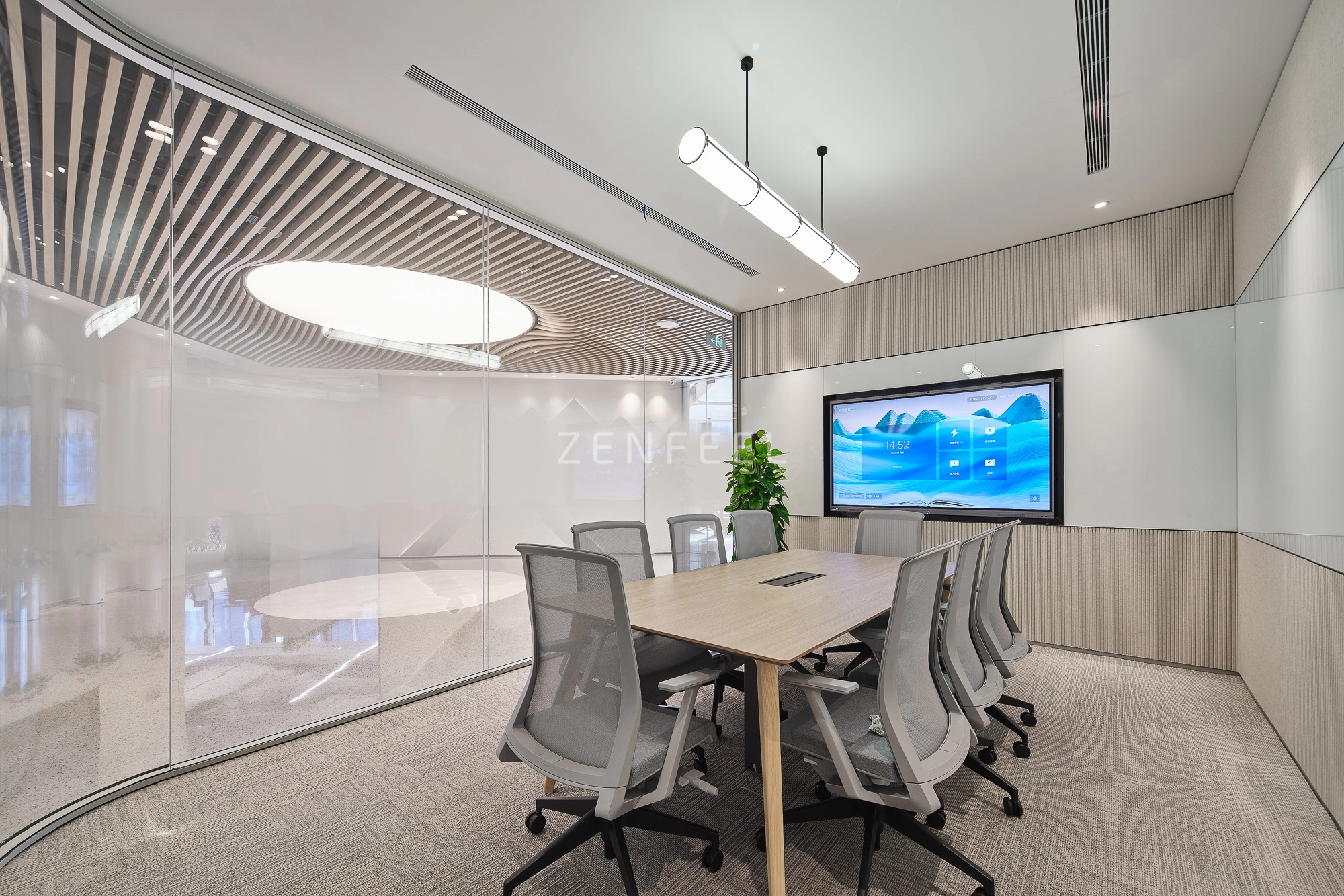
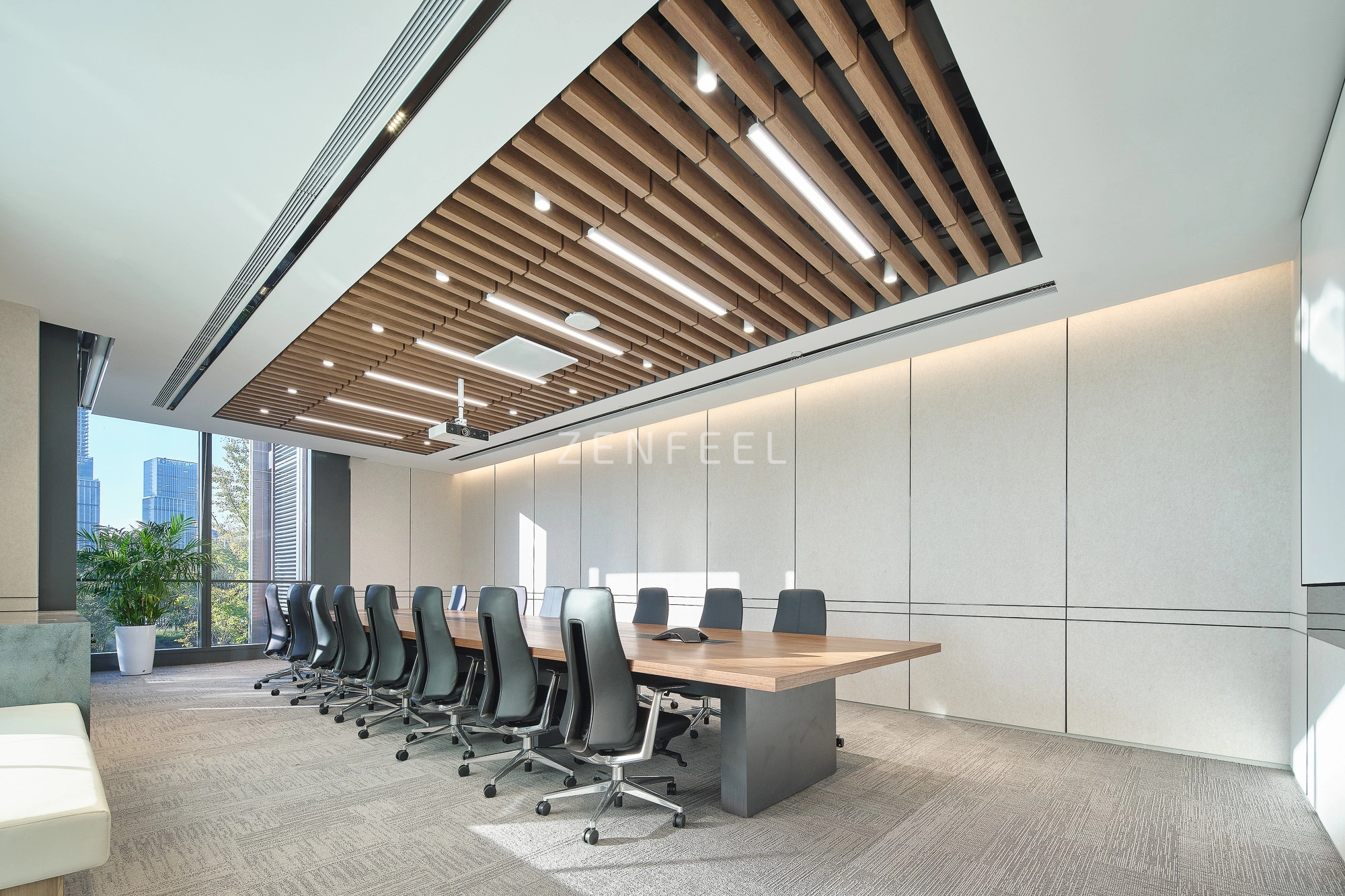
A theater is designed to immerse audiences in sound. Every line of dialogue, musical note, sound effect, and subtle change in volume contributes to the experience. However, achieving excellent theater acoustics is not simply a matter of making sound louder or installing powerful speakers. The room itself has a major influence on how sound travels, reflects, and reaches the audience.
Uncontrolled reflections, excessive reverberation, background noise, and sound leakage can make even a high-quality audio system perform poorly. Dialogue may become difficult to understand, music can lose its definition, and unwanted noise from adjacent spaces can interrupt performances.
This is where noise-reduction acoustic panels can play an important role. Properly selected and strategically positioned acoustic panels help control reflections inside the theater, reduce excessive reverberation, improve speech intelligibility, and create a more balanced listening environment.
For modern theaters, acoustic treatment must also consider architectural design. Panels need to work with walls, ceilings, balconies, lighting, ventilation, speakers, and decorative elements rather than simply being added as an afterthought. Among the available solutions, honeycomb acoustic panels offer an interesting combination of acoustic performance, structural design, visual appeal, and application flexibility.
This guide explains how noise-reduction acoustic panels can be used in theaters, what factors influence their performance, how honeycomb acoustic panels fit into theater design, and what buyers should consider when planning an acoustic treatment project.
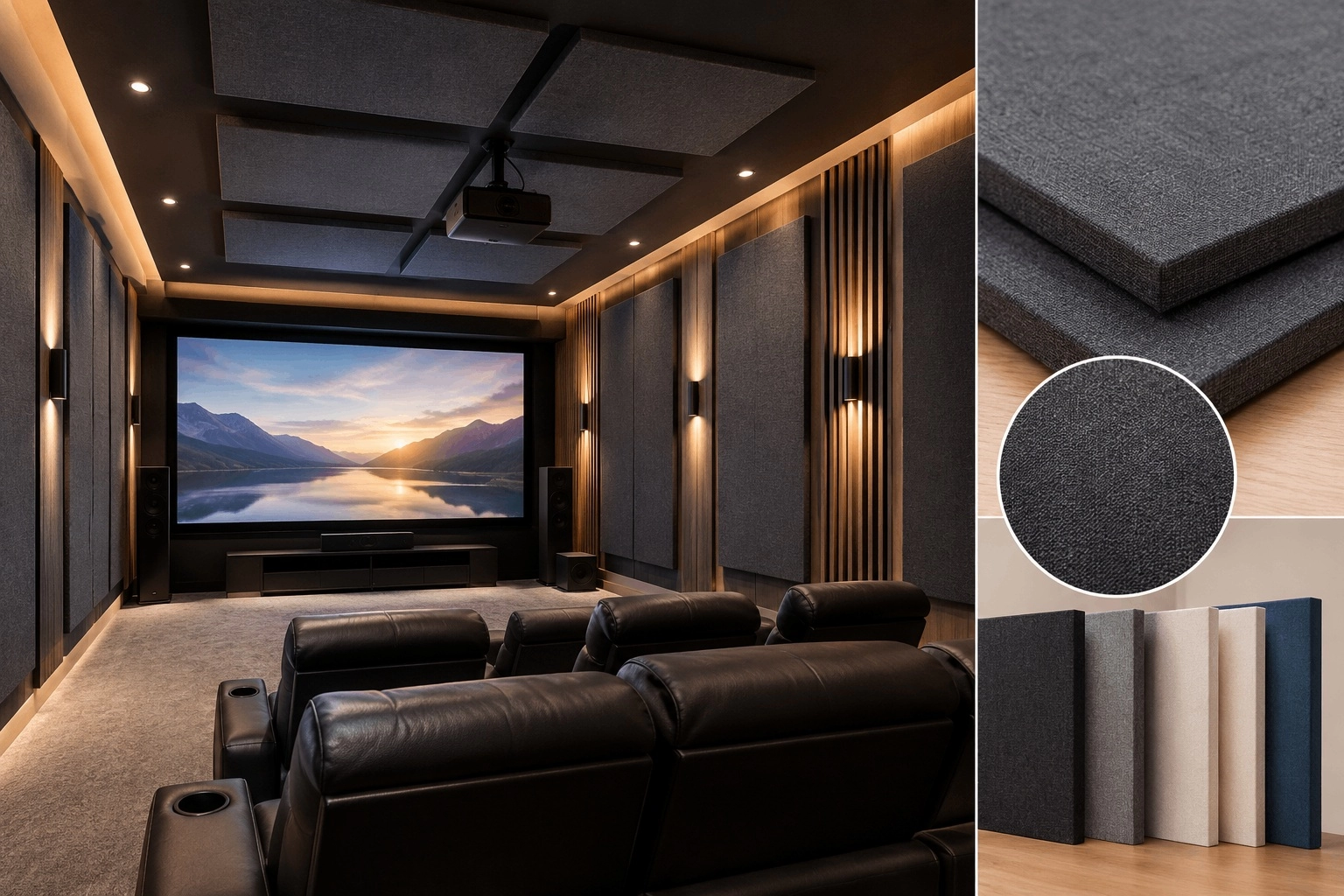
Why Theater Acoustics Require Careful Planning
Theater spaces are acoustically challenging because they are usually large and have multiple hard surfaces. Walls, ceilings, floors, stages, balconies, seating structures, and decorative elements can all influence sound behavior.
When sound leaves a speaker or performer, it does not travel only toward the audience. Some of the sound energy is reflected by surrounding surfaces. A certain amount of reflection is useful because it can contribute to the natural character of a performance. However, too many uncontrolled reflections can create acoustic problems.
One common issue is excessive reverberation. When sound continues to reflect around a room after the original source has stopped, individual sounds can overlap. This is particularly problematic for spoken dialogue. A theater audience may hear the words from a performer together with reflections arriving slightly later, making speech less distinct.
Another concern is uneven sound distribution. Certain areas may receive strong reflections while others experience weaker or delayed sound. Large architectural features can also create acoustic shadows or concentrated reflections.
External noise presents another challenge. HVAC equipment, projectors, electrical equipment, corridors, foyers, traffic, and neighboring rooms can all introduce unwanted background sound.
This means an effective theater acoustic strategy needs to address several issues at once:
Noise reduction acoustic panels are primarily useful for controlling sound within a room, particularly reflections and reverberation. They should therefore be considered part of a broader acoustic strategy rather than a complete replacement for architectural sound isolation.
What Do Noise Reduction Acoustic Panels Do in a Theater?
Noise reduction acoustic panels are designed to absorb a portion of sound energy that would otherwise reflect from hard surfaces.
When sound reaches an absorptive panel, some of the acoustic energy is converted into a small amount of heat within the panel material. This reduces the amount of sound reflected back into the room.
The result can include:
Lower reverberation
Reduced echo
Improved speech clarity
Better definition of music and sound effects
Reduced acoustic harshness
More controlled sound reflections
The effectiveness of a panel depends on its construction, thickness, density, surface characteristics, mounting method, frequency range, and installation location.
This is important because theater sound contains a wide range of frequencies. Low-frequency energy behaves differently from mid- and high-frequency sound. A thin decorative panel may be effective at controlling certain higher-frequency reflections but have limited influence on low-frequency problems.
Therefore, choosing noise reduction acoustic panels for theater applications requires more than looking at appearance alone.
Absorption and Soundproofing Are Not the Same
One of the most important distinctions in theater acoustic design is the difference between sound absorption and soundproofing.
Acoustic panels primarily help manage sound inside the room. They reduce reflections and reverberation by absorbing sound energy.
Soundproofing, on the other hand, focuses on preventing sound from passing through walls, ceilings, floors, doors, and other building structures.
For example, if a theater is located next to a busy lobby, a conventional acoustic panel installed inside the auditorium may reduce internal reflections but will not necessarily prevent lobby noise from entering the room.
A comprehensive theater project may therefore require several layers of acoustic control:
Architectural sound isolation to limit sound transmission.
Mechanical noise control to reduce HVAC and equipment noise.
Room acoustic treatment to control reflections and reverberation.
Speaker and system optimization to distribute sound consistently.
Understanding this distinction prevents unrealistic expectations and helps buyers select the right combination of solutions.
Where Should Acoustic Panels Be Installed in a Theater?
Panel placement is just as important as panel specifications.
Installing a large number of panels without analyzing the room can create an acoustically unbalanced environment. A theater should retain some useful reflections while controlling unwanted ones.
Side Walls
Side walls are often important locations for acoustic treatment because they can generate early lateral reflections.
If these reflections arrive too strongly or at inappropriate times, they can interfere with speech clarity and sound imaging.
Panels can be distributed along selected sections of the side walls to manage excessive reflections without completely eliminating the room's acoustic character.
Rear Walls
The rear wall can be a significant reflection surface, particularly in large auditoriums.
Sound traveling toward the back of the theater can reflect from the rear wall and return toward the audience or stage. Depending on the room geometry, these reflections may contribute to delayed sound and echo.
Strategically positioned noise reduction acoustic panels can help reduce these unwanted reflections.
Ceiling Areas
The ceiling can also influence sound distribution. In some theaters, acoustic treatment may be integrated with ceiling structures, suspended elements, or acoustic clouds.
The goal is not necessarily to cover the entire ceiling. Instead, designers can use targeted acoustic elements to control problematic reflections while preserving useful sound energy.
Stage Areas
Stage acoustics require particular attention because performers and microphones need predictable sound conditions.
Excessive reflections behind or around the stage can affect performers' ability to hear themselves and may also influence microphone pickup.
Acoustic treatment can be combined with stage architecture to create a more controlled acoustic environment.
The Role of Honeycomb Acoustic Panels in Theater Design
Theater interiors often need to balance acoustic performance with visual design. Unlike a purely industrial environment, an auditorium is also an architectural and aesthetic space.
This is one reason honeycomb acoustic panels can be attractive for theater projects.
The honeycomb structure provides a distinctive geometric appearance that can be incorporated into contemporary interior designs. Depending on the construction, materials, and acoustic infill used, honeycomb acoustic solutions can provide both decorative value and sound absorption.
Their visual geometry can be particularly suitable for:
Rather than making acoustic treatment look like an added technical component, designers can integrate honeycomb patterns into the overall architectural concept.
How Honeycomb Acoustic Panels Can Improve Interior Design
Theater acoustic treatment does not have to compromise visual aesthetics.
Traditional acoustic treatment can sometimes appear repetitive when large areas need to be covered. Modern honeycomb acoustic panels provide another design direction by introducing geometric patterns into walls or ceilings.
Honeycomb forms can be arranged individually, repeated across a surface, or combined with different colors and finishes.
For example, a designer could use acoustic panels behind the audience seating area in a repeating geometric pattern. Similar elements could then be incorporated into selected side-wall areas to create visual continuity.
This approach turns acoustic treatment into part of the interior design rather than hiding it.
However, aesthetics should not determine the acoustic design by themselves. The panel construction still needs to be evaluated according to the project's acoustic requirements.
Consider Frequency Performance Before Choosing Panels
The frequency range of a theater's sound environment is broad.
Human speech contains important energy in the mid-frequency range, while music and cinematic soundtracks can contain substantial low- and high-frequency components.
A panel's acoustic absorption characteristics can therefore have a major impact on its usefulness.
When evaluating acoustic panels for theater walls, buyers should review available acoustic test data rather than relying only on general claims such as "sound absorbing" or "noise reducing."
Important information may include:
Sound absorption coefficients
Noise Reduction Coefficient (NRC)
Frequency-dependent absorption performance
Panel thickness
Material density
Mounting configuration
Air gap behind the panel
Test standards and laboratory conditions
A panel with strong performance at one frequency range may not provide the same level of absorption at another.
For a professional theater project, frequency-specific acoustic data is particularly valuable.
Panel Thickness and Air Gaps Matter
Panel thickness can influence acoustic performance, especially at lower frequencies.
In general, thicker absorptive structures can provide more effective sound absorption across a broader frequency range. Mounting configuration also matters.
An acoustic panel installed directly against a wall may behave differently from the same panel installed with an air gap.
This means that a buyer should evaluate the complete installation configuration rather than looking only at the panel itself.
For example, a design using honeycomb acoustic panels may combine a decorative outer structure with an absorptive backing layer and a specific mounting distance from the wall.
The overall system should be tested or specified according to its intended installation method.
Choosing Materials for Theater Acoustic Panels
Different theater projects have different requirements, so material selection should be based on both acoustic and practical considerations.
Common considerations include:
Acoustic Performance
The material should provide the appropriate absorption characteristics for the target frequency range.
Fire Safety
Theater spaces are public environments with significant occupancy. Fire performance can therefore be an important part of material selection.
Always verify the relevant fire classification and local building requirements before specifying a product.
Durability
Panels installed in public buildings need to withstand long-term use, cleaning, maintenance, and occasional contact.
Appearance
The color, texture, geometry, and finish should complement the theater's interior.
Maintenance
Panels should be reasonably easy to inspect and maintain, particularly in high-traffic areas.
Environmental Considerations
For projects with sustainability requirements, buyers may also evaluate recycled content, material sourcing, manufacturing processes, and end-of-life considerations.
How to Reduce Echo Without Making a Theater Too Dead
A common mistake in acoustic treatment is assuming that more absorption is always better.
It is not.
A theater needs acoustic balance. If too many reflective surfaces remain untreated, echo and excessive reverberation can become problematic. But if nearly every surface becomes highly absorptive, the room may feel acoustically "dead."
This can negatively affect music, audience experience, and performer perception.
The objective should be controlled acoustics rather than maximum absorption.
A professional design may combine:
Absorptive panels
Diffusive surfaces
Reflective architectural elements
Acoustic ceiling structures
Specialized low-frequency treatment
Appropriate seating materials
This combination allows designers to control problematic reflections while preserving useful acoustic energy.
Acoustic Treatment for Different Types of Theaters
Not every theater has the same acoustic requirements.
Movie Theaters
Cinemas typically require controlled reverberation and accurate reproduction of dialogue, music, and sound effects.
The acoustic treatment should support the performance of the cinema sound system while reducing excessive reflections.
Drama Theaters
Speech intelligibility is particularly important in drama theaters. Audience members should be able to understand dialogue from different seating positions.
Acoustic treatment therefore needs to control reflections without eliminating all natural room response.
Concert Halls
Concert venues can require a different acoustic balance because music benefits from carefully controlled reverberation.
In these spaces, acoustic treatment should be designed around the type of music and performance.
Multipurpose Auditoriums
Multipurpose spaces have perhaps the most complex requirements because they may host speeches, theater productions, conferences, musical performances, and other events.
Flexible acoustic systems may be particularly useful in these environments.
Managing Noise from HVAC and Building Equipment
Installing acoustic panels will not solve every theater noise problem.
Mechanical systems can generate continuous background noise through fans, ducts, pumps, compressors, and air movement.
If mechanical noise is excessive, the room may still feel noisy even after wall treatment has been installed.
Effective control can require:
Proper HVAC equipment selection
Duct lining or acoustic treatment
Vibration isolation
Low-noise fans
Appropriate duct design
Equipment room isolation
Sealed penetrations
Acoustic doors and partitions
Theater acoustic panels should therefore be integrated into a complete noise-control strategy.
How Seating and Interior Surfaces Affect Theater Acoustics
Acoustic performance is influenced by more than wall panels.
Audience seating itself can absorb sound. Upholstered seats may provide relatively consistent absorption even when seats are unoccupied, depending on their design.
Curtains, carpets, stage materials, wall finishes, ceilings, balconies, and architectural features can also affect the acoustic environment.
This is why installing noise reduction acoustic panels should ideally be planned together with the theater's entire interior construction.
Changing one major surface can affect the overall reverberation characteristics of the room.
Avoid Covering Every Wall with Panels
Another common installation mistake is treating acoustic panels as a simple wall-covering material.
Instead, the distribution of panels should be based on the theater's acoustic behavior.
Potential strategies include:
Treating strong reflection points
Using panels on selected side-wall areas
Controlling rear-wall reflections
Integrating acoustic ceiling elements
Combining absorption and diffusion
Leaving selected surfaces reflective
The optimal configuration depends on room dimensions, geometry, seating capacity, sound system, intended use, and existing materials.
For this reason, larger theater projects should ideally begin with an acoustic assessment.
What Should Buyers Ask Acoustic Panel Manufacturers?
When sourcing noise reduction acoustic panels, buyers should ask manufacturers for technical information rather than relying solely on product photographs.
Useful questions include:
What is the panel's acoustic absorption performance?
Request frequency-specific data where available.
What materials are used?
Understand the structure of the facing, acoustic core, backing, and frame.
What installation configurations are supported?
Determine whether panels are designed for direct mounting, suspended installation, or installation with an air gap.
Are fire performance documents available?
This can be essential for theaters and other public buildings.
Can the panels be customized?
Large projects may require specific dimensions, colors, shapes, patterns, or mounting systems.
Can the manufacturer provide project support?
For large auditorium projects, technical assistance with layout and installation can be valuable.
Why Custom Acoustic Panels Can Be Valuable
Theater architecture rarely follows a standard rectangular room format.
Curved walls, balconies, sloped ceilings, columns, decorative structures, and irregular spaces can make standard panel sizes difficult to use efficiently.
Custom honeycomb acoustic panels and other acoustic solutions can allow designers to coordinate panel dimensions and patterns with the architecture.
Customization may include:
The goal is to achieve a consistent relationship between acoustic treatment and interior architecture.
Installation Quality Is Just as Important as Panel Quality
Even a high-quality acoustic panel can underperform if it is installed incorrectly.
Installation should consider the manufacturer's specifications and the acoustic design.
Important factors include:
Correct panel orientation
Proper fixing
Consistent spacing
Appropriate wall preparation
Correct air gaps where required
Secure mounting
Integration with lighting and HVAC
Access for future maintenance
Penetrations and gaps around acoustic elements should also be considered because uncontrolled openings can affect both acoustic performance and building sound isolation.
A Practical Approach to Theater Acoustic Design
A successful theater acoustic project can generally follow several stages.
Step 1: Understand the Room
Collect information about room dimensions, construction, seating capacity, surface materials, stage configuration, and intended use.
Step 2: Identify Acoustic Problems
Determine whether the main issue is excessive reverberation, echo, poor speech intelligibility, uneven sound distribution, background noise, or a combination of these factors.
Step 3: Establish Acoustic Targets
Define measurable goals for reverberation, sound absorption, background noise, and sound distribution.
Step 4: Select Appropriate Materials
Compare noise reduction acoustic panels, diffusers, bass treatment, ceiling systems, and other acoustic components according to the project's requirements.
Step 5: Develop a Panel Layout
Position treatment according to reflection paths and room geometry instead of simply maximizing coverage.
Step 6: Coordinate with Other Systems
Ensure acoustic treatment does not interfere with lighting, speakers, ventilation, fire systems, or architectural features.
Step 7: Verify Performance
Where appropriate, conduct acoustic measurements after installation to confirm that the room performs as intended.
The Importance of Balancing Performance and Design
Modern theater projects increasingly treat acoustics as part of the architectural experience.
Audiences may not consciously notice an acoustic panel, but they will notice when dialogue is difficult to understand or when sound becomes harsh and confusing.
The best acoustic treatment therefore performs quietly in the background while supporting the overall visual concept.
This is where decorative solutions such as honeycomb acoustic panels can offer an advantage. Their geometric appearance can create visual interest while providing acoustic functionality.
However, the final choice should always be based on measurable acoustic performance, durability, safety, installation requirements, and project objectives.
Final Thoughts
Effective theater acoustics require more than simply reducing noise. The objective is to create a controlled acoustic environment where speech remains clear, music retains its character, sound effects are well defined, and unwanted reflections do not distract the audience.
Noise reduction acoustic panels can be an important part of this process by absorbing excessive sound energy and helping control reverberation and reflections. However, they should be considered alongside sound isolation, HVAC noise control, room geometry, seating, speaker placement, and other acoustic elements.
For theaters seeking a combination of acoustic functionality and contemporary interior design, honeycomb acoustic panels can provide an appealing option. Their geometric structure can be incorporated into walls and ceilings while supporting the broader acoustic treatment strategy.
The key is not to ask simply, "How many acoustic panels should we install?" A better question is, "What acoustic problems are we trying to solve, and how should each surface contribute to the desired sound environment?"
With careful acoustic planning, appropriate materials, strategic placement, and professional installation, theater spaces can achieve a much more controlled and comfortable listening experience—allowing audiences to focus on the performance rather than the noise around it.




 +86 18963687089

 en
en it
it es
es hu
hu ja
ja sv
sv pt
pt ms
ms ko
ko ru
ru fr
fr de
de ar
ar