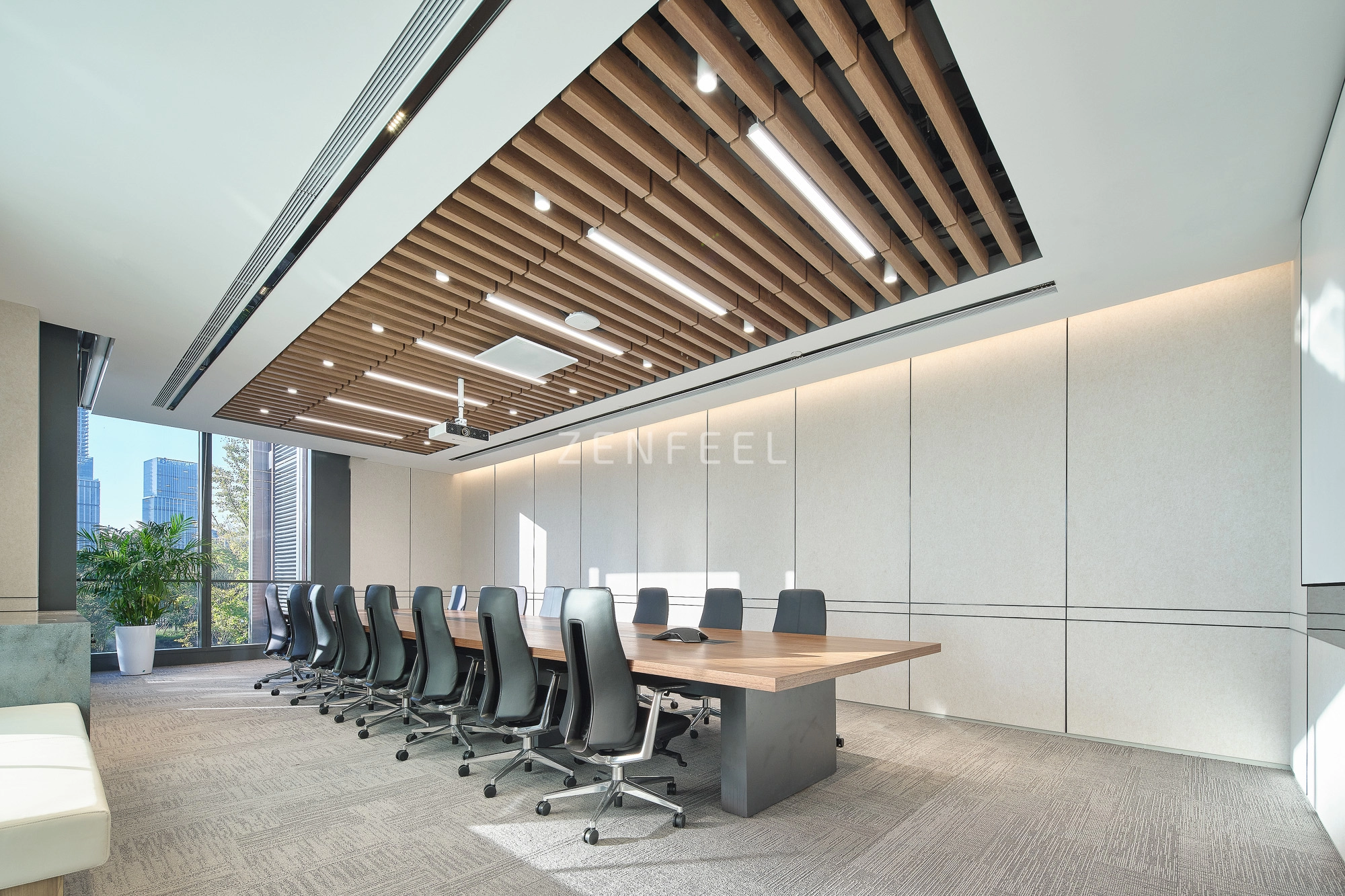
Choosing the right custom acoustic slat wall panel manufacturer is an important step in any commercial interior or architectural project. Whether you are sourcing acoustic panels for offices, hotels, conference rooms, restaurants, or residential developments, the manufacturer you select can influence product quality, acoustic performance, design consistency, installation efficiency, and overall project costs.
Custom acoustic slat wall panels are particularly attractive because they combine decorative wall finishes with sound-absorbing components. However, not all manufacturers offer the same level of customization, technical support, material selection, or quality control. Some focus primarily on standard decorative panels, while others can accommodate project-specific dimensions, surface finishes, backing materials, and installation requirements.
For distributors, contractors, architects, and commercial buyers, finding a reliable supplier involves more than comparing quotations. It requires a clear understanding of product specifications, manufacturing capabilities, acoustic test data, and delivery arrangements.
This guide explains how to evaluate an acoustic slat wall panel manufacturer, what questions to ask before placing an order, and how to identify a supplier that can meet your project's design and performance requirements.
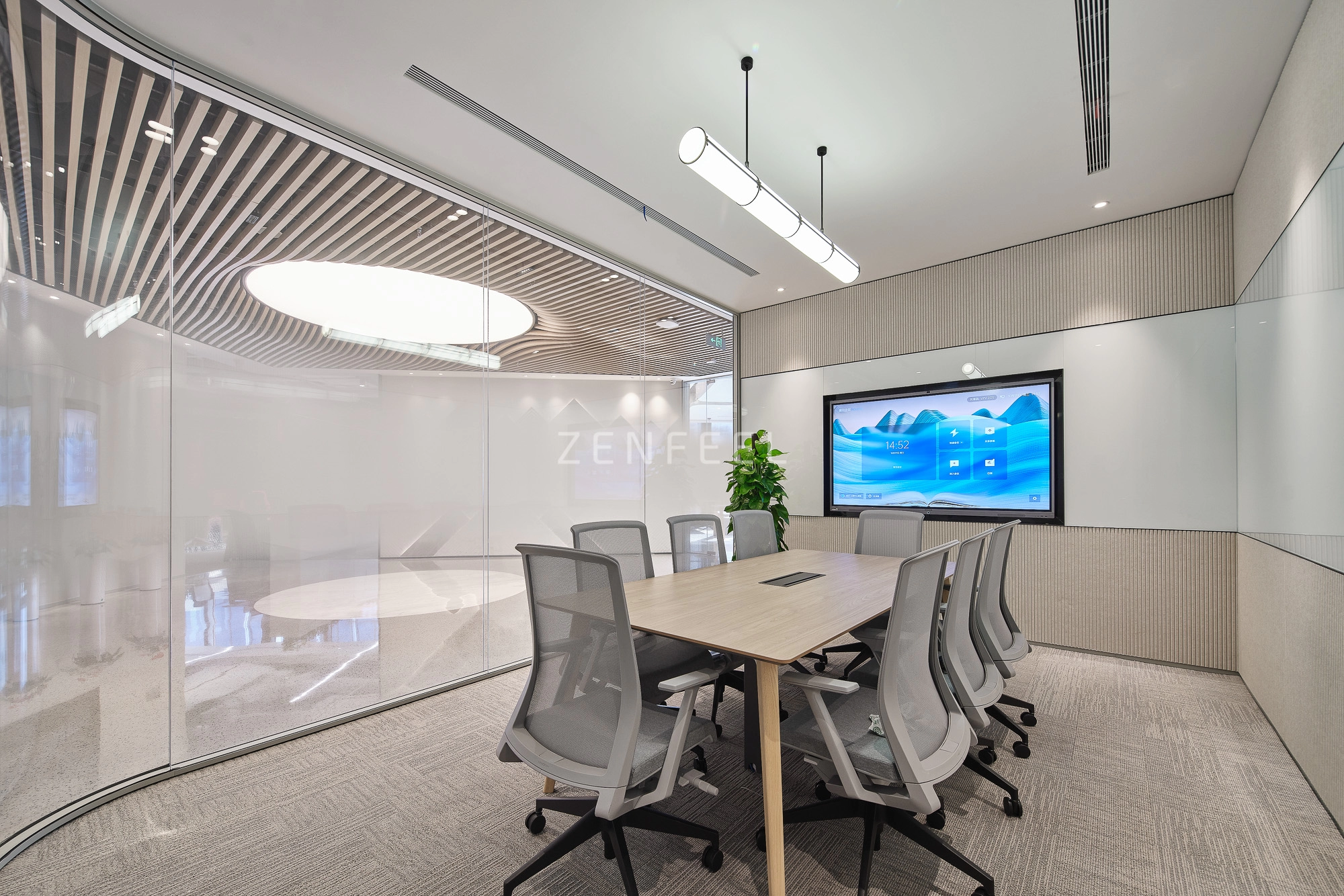
1. Understand Your Project Requirements Before Contacting Manufacturers
Before requesting quotations, define what your project needs. Having clear requirements makes it easier to compare manufacturers and reduces the risk of receiving proposals for products that are not suitable for your application.
Identify the Intended Application
The first consideration is where the acoustic slat wall panels will be installed. Different environments have different functional and aesthetic priorities.
For example, an office renovation may require panels that help reduce reverberation in meeting rooms and open-plan workspaces. A hotel project may place greater emphasis on decorative finishes, consistent appearance, and durability in high-traffic areas. A residential project may prioritize natural wood textures and compatibility with existing furniture.
Understanding the intended application helps determine which materials, finishes, and acoustic properties should be prioritized.
Determine the Required Panel Dimensions
Custom projects often involve non-standard wall heights, unusual widths, corners, columns, or areas surrounding doors and electrical outlets. Before contacting a manufacturer, prepare approximate wall measurements and identify any obstacles that may affect installation.
Consider the following details:
Overall wall height and width.
Desired panel dimensions.
Slat width and spacing.
Panel thickness and backing structure.
Corner, edge, and joint requirements.
Installation direction and mounting method.
These details help an acoustic slat wall panel manufacturer assess whether the project can be completed using standard production methods or requires additional customization.
Establish Your Design Preferences
Prepare reference images, drawings, or material samples to communicate the desired appearance. Specify whether you prefer natural wood veneer, a wood-look finish, a particular color, or a contemporary dark-toned surface.
You should also clarify whether the panels need to match existing furniture, flooring, doors, or architectural elements. The more specific your design brief is, the easier it becomes for manufacturers to provide relevant samples and accurate quotations.
2. Evaluate the Manufacturer's Customization Capabilities
Customization is one of the main reasons buyers work directly with an acoustic slat wall panel manufacturer. However, the term "custom" can cover very different levels of service.
Some suppliers only offer a limited selection of standard sizes and colors. Others may support adjustments to panel dimensions, slat spacing, decorative finishes, backing materials, and installation configurations.
Check Available Customization Options
Ask the manufacturer which components can be customized and which are fixed by the existing product design.
Common options may include:
Panel length, width, and thickness.
Slat width, depth, and spacing.
Wood veneer or decorative surface finishes.
Acoustic felt color and backing structure.
Edge details and panel connections.
Packaging and labeling for distribution projects.
Not every manufacturer offers all these options. Confirming the available range early helps you avoid unnecessary design changes later.
Ask About Custom Production Limits
Customization may involve minimum order quantities, tooling requirements, production lead times, or restrictions on non-standard dimensions. For example, unusually long panels may require different packaging or shipping arrangements, while a special finish may need additional preparation and approval.
A reliable custom acoustic slat wall panel manufacturer should explain these limitations before production begins. This allows buyers to balance design preferences with practical manufacturing and logistics considerations.
Confirm Whether Custom Samples Are Available
Samples are useful for checking color, surface texture, material quality, and the relationship between the slats and acoustic backing. They can also help designers evaluate how the panels look under the lighting conditions of the intended space.
For larger projects, consider approving a representative sample before authorizing mass production. If the order involves a custom finish or unusual construction, a project-specific sample is generally more useful than a standard product sample.
Remember that a small sample can demonstrate appearance and workmanship, but it cannot independently verify the acoustic performance of an entire wall installation.
3. Verify Acoustic Performance and Technical Documentation
An acoustic slat wall panel is not simply a decorative wall covering. If sound absorption is an important project requirement, buyers should evaluate the technical performance of the complete panel system.
Understand How Acoustic Slat Wall Panels Work
Most slatted acoustic panels combine decorative slats with an absorptive backing, such as acoustic felt or another porous material. Sound can pass through the gaps between the slats and interact with the backing, allowing part of the sound energy to be absorbed rather than reflected into the room.
The actual performance depends on several factors, including the backing material, slat spacing, panel thickness, mounting method, and any air cavity behind the panel.
Consequently, two panels that look similar may have different acoustic characteristics. Buyers should avoid selecting products based on appearance alone when measurable sound absorption is required.
Request Acoustic Test Reports
Ask whether the manufacturer can provide relevant sound absorption test reports for the proposed panel configuration.
Depending on the product and market, useful documentation may include a Noise Reduction Coefficient (NRC) rating or frequency-specific sound absorption data. These results can help buyers compare products and determine whether a panel is suitable for the intended environment.
When reviewing test reports, check:
The exact panel construction used during testing.
The backing material and panel thickness.
The mounting method and any air cavity.
The reported acoustic ratings and test conditions.
Whether the documentation relates to the product being quoted.
Do not assume that the highest reported rating automatically makes a product the best choice. The required acoustic treatment depends on the room's dimensions, sound sources, existing finishes, and intended use.
Distinguish Sound Absorption from Sound Insulation
This distinction is particularly important for commercial projects. Sound-absorbing wall panels help control reflections and reverberation inside a space. They do not necessarily prevent conversations or other sounds from passing through a wall into an adjacent room.
If your project requires speech privacy or reduced sound transmission, additional construction measures may be necessary, such as improved partitions, door seals, or other sound-insulating systems.
A knowledgeable acoustic slat wall panel supplier should be able to explain the intended function of its products without making unsupported claims about complete soundproofing.
4. Compare Materials, Finishes, and Manufacturing Quality
Material selection influences not only the appearance of custom acoustic wall panels but also their durability, maintenance requirements, and suitability for different environments.
Review the Available Panel Materials
Custom acoustic slat wall panels may use MDF, engineered wood products, wood veneer, or other decorative materials, depending on the manufacturer's product range.
Each material has different characteristics. Engineered materials can offer consistent dimensions and surface finishes, while natural wood veneer provides distinctive grain patterns. The appropriate choice depends on the project's design objectives, environmental conditions, and budget.
Ask the manufacturer for details about the substrate, surface finish, panel construction, and recommended installation conditions. If the panels will be installed in a demanding commercial environment, confirm whether the proposed materials are appropriate for the expected use.
Inspect Surface Finishes and Slat Consistency
The quality of the finished product becomes particularly visible when multiple panels are installed side by side. Differences in slat spacing, alignment, color, or surface texture can affect the appearance of the entire wall.
When evaluating a manufacturer, review samples and, where possible, examples of completed projects. Pay attention to:
Consistency of slat dimensions and spacing.
Uniformity of the decorative finish.
Quality of panel edges and joints.
Alignment between adjacent panels.
Condition of the acoustic backing.
Overall workmanship and packaging protection.
For projects involving large wall areas, ask how the manufacturer maintains consistency across multiple production batches.
Confirm Maintenance Requirements
Different surface finishes require different cleaning methods. Some panels may need routine dust removal, while others may have specific restrictions regarding moisture or cleaning agents.
Before selecting a product, ask for written maintenance instructions. This is especially relevant for hotels, reception areas, restaurants, and shared office spaces where appearance and routine cleaning are important.
5. Check Certifications and Compliance Requirements
For commercial and public-facing projects, product compliance may be just as important as appearance and acoustic performance.
However, requirements vary by country, building type, and installation location. Buyers should identify the applicable requirements before requesting a final quotation.
Ask About Fire Performance
Fire-performance requirements can be important for offices, hotels, schools, healthcare facilities, and other commercial buildings. Ask whether the manufacturer can provide relevant fire-test documentation for the proposed product.
The documentation should correspond to the actual panel assembly, including the relevant substrate, surface finish, backing, and other components covered by the test.
A fire classification for one material or panel configuration should not automatically be assumed to apply to every variation offered by the same supplier.
Review Other Relevant Documentation
Depending on the project, you may need information about material composition, emissions, environmental characteristics, or quality management processes.
Request documents that are relevant to your intended application and destination market. Verify their scope, validity, and relationship to the products being supplied.
A professional acoustic wall panel manufacturer should be able to explain which documents are available and identify any limitations clearly.
Avoid Choosing Suppliers Based on Certificates Alone
Certifications can provide useful evidence, but they do not replace product-specific evaluation. A supplier may have an established quality management system while a particular panel still requires additional verification for your project.
Consider documentation alongside sample quality, technical support, manufacturing capabilities, and communication.
6. Evaluate Manufacturing Capacity and Quality Control
A manufacturer may offer an attractive design and competitive quotation, but it must also be capable of producing the required quantity within the project schedule.
This becomes especially important for commercial developments, distributor orders, and multi-location projects.
Confirm Production Capacity
Ask about the manufacturer's normal production process, available capacity, and experience with orders of similar size or complexity.
For large projects, determine whether the supplier can maintain consistent specifications across the full order. If the panels will be delivered in multiple batches, ask how product consistency will be managed between shipments.
Production capacity should be evaluated against your actual order requirements rather than general claims about factory size.
Understand the Quality Inspection Process
Ask how the manufacturer checks dimensions, surface finish, assembly, and packaging before shipment.
A useful quality control process should identify defects before products leave the factory. For customized products, it is particularly important to confirm that the finished panels match the approved specifications and sample.
Buyers can also request a written specification sheet that records the agreed dimensions, materials, finish, backing construction, and other critical details.
This creates a clear reference for both parties and reduces the risk of misunderstandings during production.
Look for Relevant Project Experience
Experience with similar projects can help a manufacturer anticipate practical challenges. For example, a supplier familiar with large office interiors may understand the importance of consistent panel alignment, installation sequencing, and coordinated delivery.
Ask for project examples relevant to your application. If the supplier has worked with similar wall dimensions, decorative requirements, or acoustic specifications, it may be better prepared to address your needs.
7. Compare Quotations and Understand the Total Project Cost
Price is an important consideration, but the lowest quotation is not always the most economical choice. Different suppliers may quote products with different materials, backing systems, finishes, or installation accessories.
A fair comparison requires reviewing the complete specification behind each offer.
Identify the Main Cost Factors
The cost of custom acoustic slat wall panels may depend on:
Panel dimensions and total order quantity.
Substrate and decorative finish.
Slat width, spacing, and panel construction.
Acoustic backing and technical requirements.
Custom tooling or non-standard production.
Packaging, freight, and delivery arrangements.
Additional accessories or installation components.
Some suppliers may quote only the panels, while others may include mounting accessories or additional services. Confirm what is included before comparing prices.
Ask for an Itemized Quotation
An itemized quotation helps buyers understand how different specifications affect the total cost. It also makes it easier to evaluate alternatives, such as changing a decorative finish while keeping the acoustic construction unchanged.
For larger projects, confirm the quotation's validity period, payment terms, production lead time, and arrangements for handling damaged or defective goods.
Consider Long-Term Value
The total value of a panel system includes more than the purchase price. Durability, maintenance requirements, replacement availability, installation complexity, and product consistency can all affect long-term project costs.
A slightly more expensive product may be more suitable if it meets the required specifications, simplifies installation, or offers a finish better suited to the intended environment.
The goal is to select a product that meets the project's functional and design requirements within the available budget.
8. Assess Communication, Customization Support, and Delivery
Reliable communication is essential when ordering customized products. Even a capable manufacturer can become difficult to work with if specifications are unclear or changes are not documented properly.
Evaluate How the Supplier Handles Technical Questions
During the quotation stage, observe whether the supplier asks relevant questions about dimensions, installation conditions, finishes, and acoustic requirements.
A manufacturer that understands the product should be able to explain available options, identify potential limitations, and request clarification when necessary.
Be cautious of quotations that promise every customization without confirming the details. Complex projects often require technical review before the final specifications can be approved.
Confirm the Approval Process
Before production, make sure both parties agree on the final drawings, dimensions, finish, panel layout, and any relevant technical requirements.
For custom acoustic slat wall panels, written approval is particularly useful when the order includes multiple finishes, different panel sizes, or unusual installation details.
Changes after production has started may increase costs or delay delivery, so the approval process should be clear.
Review Packaging and Shipping Arrangements
Panels may be vulnerable to scratches, damaged corners, or surface defects during handling and transportation. Ask how the manufacturer protects the products and whether the packaging is suitable for the planned shipping method.
Confirm the estimated production schedule, shipping arrangements, delivery destination, and process for reporting transit damage.
For international buyers, these details are particularly important because replacement shipments may require additional time and expense.
9. Questions to Ask Before Choosing an Acoustic Slat Wall Panel Manufacturer
Before placing an order, prepare a list of questions to ensure that each supplier is evaluated against the same criteria.
Product and customization
Which panel dimensions, slat widths, and finishes can be customized?
Are there minimum order quantities for custom designs?
Can the manufacturer provide project-specific samples?
What materials and acoustic backing options are available?
Technical performance and compliance
Are acoustic test reports available for the proposed panel assembly?
Can the supplier provide applicable fire-performance documentation?
What installation methods are recommended?
Are there any limitations regarding the intended application?
Production and quality
What is the estimated production lead time?
How are dimensions and surface finishes inspected?
Can the supplier maintain consistency across multiple batches?
What procedures apply if products arrive damaged or do not match the approved specifications?
Commercial terms
What is included in the quotation?
Are accessories, packaging, and shipping included?
What are the payment terms?
How are specification changes handled after approval?
Comparing suppliers using the same questions makes it easier to identify differences in technical capability, service quality, and overall value.
Conclusion
Choosing the right custom acoustic slat wall panel manufacturer requires a careful evaluation of product specifications, customization options, acoustic performance, material quality, compliance documentation, and production capabilities. A supplier should be able to do more than provide attractive panels; it should also help you understand which product configuration is suitable for the intended application.
Start by defining the project's dimensions, design preferences, and acoustic objectives. Then request samples, review relevant technical documents, compare itemized quotations, and confirm the manufacturer's quality control and delivery arrangements. For commercial interiors, these steps can help reduce specification errors, avoid unnecessary costs, and support a smoother installation process.
It is also important to remember that the best manufacturer is not necessarily the one offering the widest range of options or the lowest initial price. The right partner is one that can meet your specific requirements, communicate clearly, and deliver products that match the approved specifications.
For buyers exploring custom acoustic solutions, ROYDAA can be considered when evaluating wood slat wall panel options for different interior projects. By reviewing product finishes, construction details, customization possibilities, and project requirements together, buyers can make a more informed decision and select acoustic slat wall panels that balance visual appeal with practical performance.




 +86 18963687089


 en
 it
 es
 hu
 ja
 sv
 pt
 ms
 ko
 ru
 fr
 de
 ar