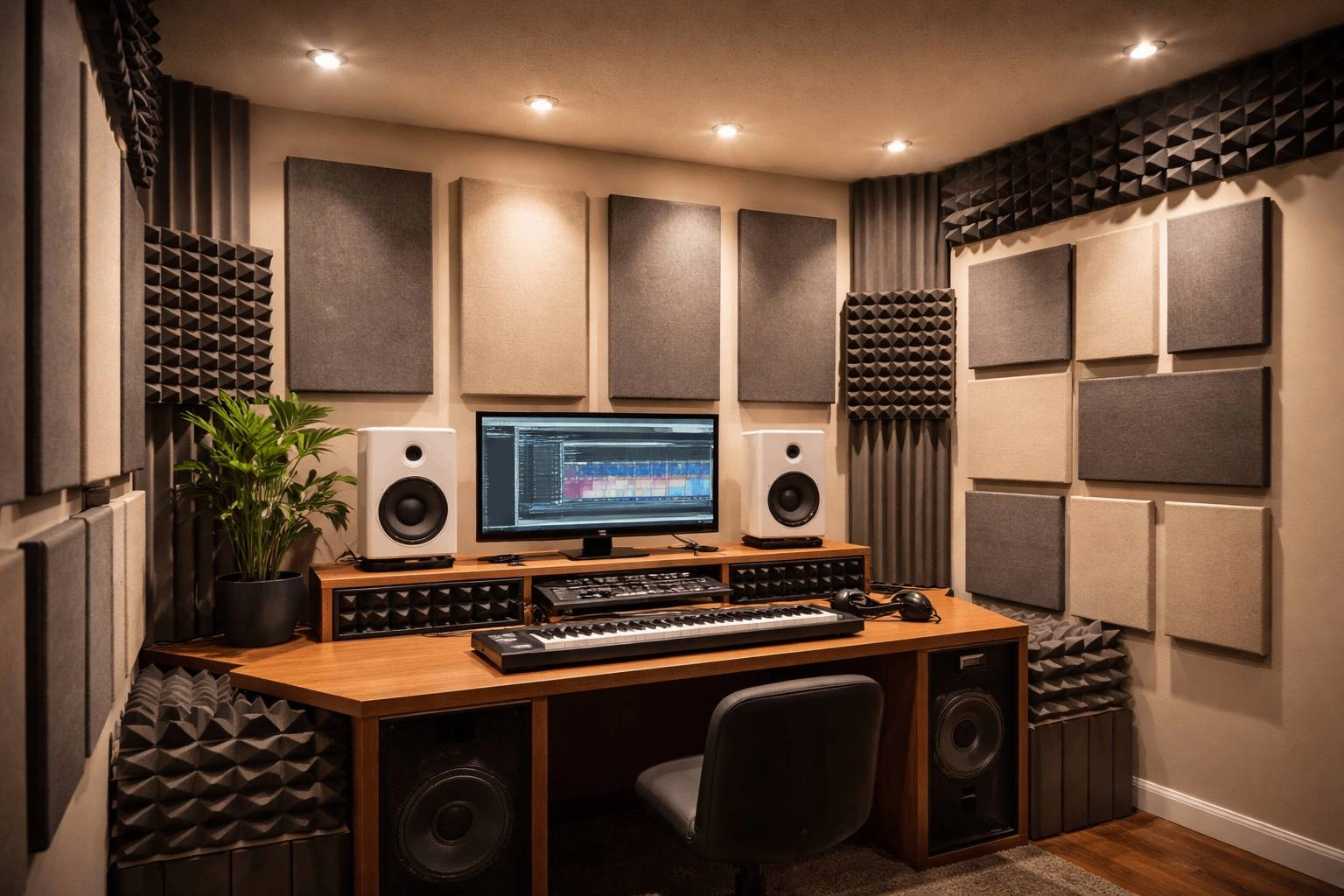
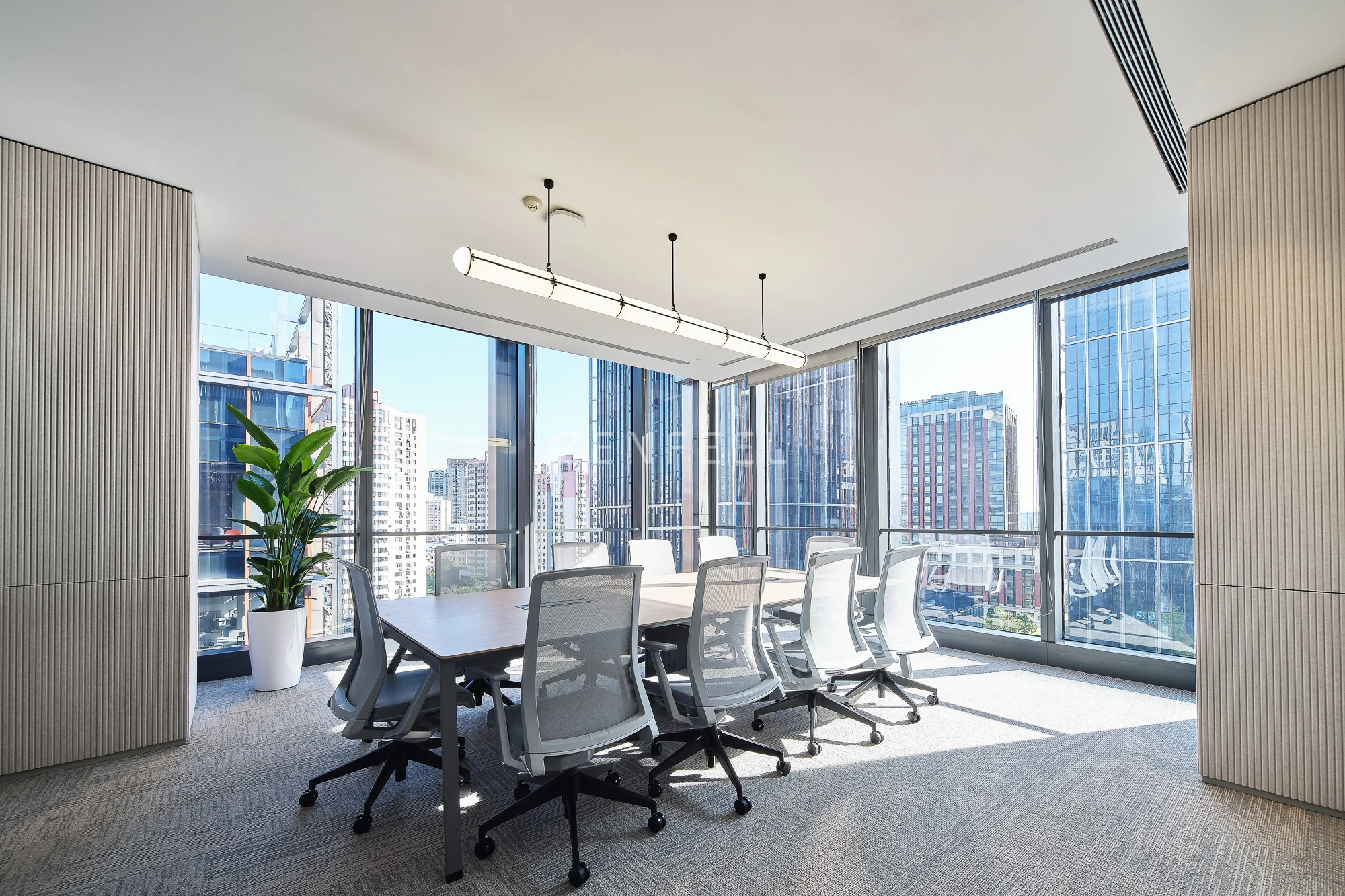
Open-plan offices have become the standard in modern workplace design. They encourage collaboration, maximize floor space, and provide greater flexibility for growing businesses. However, one challenge continues to affect productivity in these environments: noise. Conversations, phone calls, keyboard clicks, office equipment, and collaborative discussions can easily travel across the workspace, making it difficult for employees to concentrate.
To address this issue without sacrificing the benefits of an open layout, many organizations are turning to acoustic panels for office partitions. These innovative solutions combine workspace division with sound absorption, creating quieter, more comfortable environments while maintaining the openness and flexibility that modern offices demand.
Unlike traditional solid walls that permanently divide spaces, office partition acoustic panels reduce noise, improve speech privacy, and support collaborative work without limiting natural light or workplace interaction. Whether you're designing a corporate headquarters, coworking space, educational facility, or creative studio, integrating office acoustic panels into partition systems can significantly improve workplace performance and employee satisfaction.
Why Noise Is a Growing Concern in Modern Offices
Workplace noise is more than an inconvenience—it directly impacts employee performance, communication, and well-being.
The Rise of Open-Plan Offices
Over the past decade, companies have increasingly embraced open office layouts because they:
Encourage teamwork
Reduce construction costs
Improve space efficiency
Allow flexible workstation arrangements
Support hybrid working environments
However, removing traditional walls also removes natural sound barriers.
Common Sources of Office Noise
Typical workplace noise includes:
Without adequate acoustic treatment, these sounds combine to create continuous background noise.
The Cost of Poor Acoustics
Research consistently shows that excessive workplace noise can lead to:
Creating quieter workspaces has become an essential component of modern office design.
What Are Acoustic Panels for Office Partitions?
Acoustic panels for office partitions are sound-absorbing panels integrated into freestanding or desk-mounted partition systems. Unlike conventional dividers that simply separate workstations visually, acoustic partition panels are specifically engineered to absorb sound waves and reduce reverberation.
Depending on the office layout, these panels may be used as:
They provide both functional space division and effective noise control.
How Office Partition Acoustic Panels Work
The purpose of acoustic panels is not to completely block sound but to absorb it before it reflects throughout the office.
Sound Absorption Instead of Reflection
Hard materials such as glass, concrete, metal, and wood reflect sound waves, increasing reverberation.
Acoustic panels use porous materials that trap sound energy inside microscopic air pockets.
As sound passes through the panel:
Improving Speech Privacy
One of the biggest complaints in open offices is overhearing nearby conversations.
Partition-mounted acoustic panels reduce:
Employees enjoy greater privacy without feeling isolated.
Benefits of Using Acoustic Panels for Office Partitions
Create Quieter Individual Workspaces
Desk-mounted acoustic panels surround individual workstations, reducing distractions while maintaining visual openness.
Employees can better focus on:
Data analysis
Programming
Design work
Writing
Customer support
Administrative tasks
Enhance Collaboration Without Excessive Noise
Collaboration remains important, but not every discussion should disturb nearby teams.
Partition acoustic panels help contain conversations within designated collaboration areas.
Flexible Space Planning
Unlike permanent walls, partition systems can easily adapt to changing office requirements.
Businesses can:
without expensive renovations.
Better Employee Well-Being
Reduced noise contributes to:
Types of Acoustic Panels for Office Partitions
Desk Divider Acoustic Panels
Mounted directly onto desks, these panels provide personal acoustic protection between adjacent employees.
Best suited for:
Floor-Standing Acoustic Partitions
Freestanding acoustic screens separate larger areas while remaining movable.
Ideal for:
Flexible offices
Coworking spaces
Temporary work areas
Shared commercial spaces
Modular Acoustic Partition Systems
Modular systems allow companies to combine multiple acoustic panels into customized layouts.
Advantages include:
Easy installation
Expandability
Reconfiguration
Modern appearance
Mobile Acoustic Screens
Panels equipped with wheels provide maximum flexibility.
They are frequently used for:
Training rooms
Multi-purpose offices
Event spaces
Temporary meeting areas
Choosing the Right Materials
Material selection plays a significant role in both acoustic performance and aesthetics.
PET Felt Acoustic Panels
PET felt has become one of the most widely used materials because it offers:
It is particularly popular in sustainable office projects.
Fabric-Wrapped Acoustic Panels
Fabric-covered partition panels provide a premium appearance suitable for executive environments.
Benefits include:
Polyester Fiber Panels
Polyester acoustic panels provide reliable sound absorption while remaining lightweight and economical.
Wood-Finish Acoustic Panels
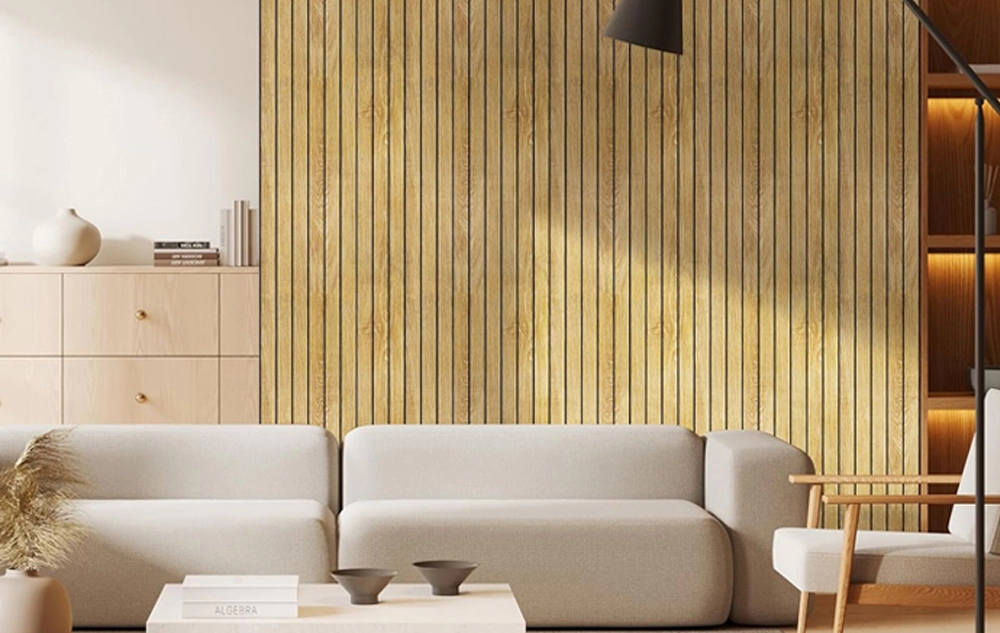
Wood slat acoustic panels combine decorative design with sound absorption, creating sophisticated office interiors.
Design Considerations
Selecting the right office acoustic panels involves more than simply choosing a color.
Panel Height
Higher panels improve speech privacy while maintaining visibility across the office.
Typical heights include:
The appropriate height depends on the desired balance between collaboration and privacy.
Panel Thickness
Thicker panels generally absorb lower-frequency sounds more effectively.
Common thicknesses include:
Professional acoustic consultation can help determine the optimal specification.
Color Coordination
Modern manufacturers offer numerous colors that complement workplace branding.
Popular choices include:
Light gray
Charcoal
Navy blue
Forest green
Beige
White
Black
Custom corporate colors
Modular Configurations
Partition systems should support future office changes.
Modular acoustic panels simplify:
Best Applications for Acoustic Office Partitions
Corporate Offices
Large enterprises use partition acoustic panels to improve concentration while maintaining collaborative environments.
Coworking Spaces
Coworking facilities accommodate multiple companies simultaneously.
Acoustic partitions reduce noise transfer between tenants.
Call Centers
Speech privacy and reduced background noise significantly improve customer communication.
Educational Institutions
Administrative offices and learning support centers benefit from quieter workspaces.
Healthcare Administration
Hospitals and clinics often use acoustic partitions to improve speech privacy within administrative departments.
Financial Institutions
Banks and insurance companies require confidential discussions while maintaining efficient office layouts.
Acoustic Panels vs Traditional Office Partitions
| Feature | Acoustic Panels | Traditional Partitions |
|---|
| Sound Absorption | Excellent | Minimal |
| Speech Privacy | High | Moderate |
| Flexibility | Excellent | Limited |
| Decorative Options | Extensive | Basic |
| Sustainability | Often recycled materials | Varies |
| Easy Relocation | Yes | Sometimes |
| Employee Comfort | High | Moderate |
Acoustic partition panels provide both workspace organization and measurable improvements in acoustic comfort.
Installation Best Practices
Proper installation maximizes acoustic effectiveness.
Recommendations include:
Position panels close to primary workstations.
Combine desk dividers with ceiling or wall acoustic treatments for comprehensive noise control.
Maintain sufficient spacing for ventilation and accessibility.
Coordinate partition placement with lighting and electrical systems.
Use modular mounting hardware for future reconfiguration.
Professional planning ensures the best balance between acoustics, aesthetics, and functionality.
Maintenance and Durability
One advantage of modern acoustic partition systems is their low maintenance.
Routine care includes:
Vacuuming dust from fabric surfaces
Wiping PET felt panels with a damp microfiber cloth
Inspecting brackets and connectors periodically
Replacing damaged components when necessary
High-quality office acoustic panels retain their appearance and acoustic performance for many years, even in busy commercial environments.
Sustainability and Green Office Design
Sustainability is now a priority in workplace design, and acoustic partition panels contribute to greener offices in several ways.
Many manufacturers produce panels using:
Recycled PET fibers from plastic bottles
Low-VOC adhesives and finishes
Recyclable materials
Environmentally responsible manufacturing processes
These features support certifications such as LEED and WELL Building Standards while helping companies meet their environmental goals.
How to Choose a Reliable Office Acoustic Panels Manufacturer
Selecting the right supplier is essential for achieving long-term acoustic performance and project success.
When evaluating an office acoustic panels manufacturer, consider the following factors:
Proven Manufacturing Experience
Choose a manufacturer with a strong track record in commercial acoustic products and successful office installations.
Acoustic Performance Testing
Look for products that have been independently tested for sound absorption performance, such as Noise Reduction Coefficient (NRC) ratings or equivalent acoustic certifications.
Product Customization
A reliable supplier should offer flexible customization, including:
Quality Control
Consistent manufacturing standards ensure uniform appearance, durability, and acoustic performance across every project.
Global Supply Capabilities
For contractors, distributors, and international buyers, manufacturers with efficient production capacity, export experience, and dependable logistics can help keep projects on schedule.
Future Trends in Office Acoustic Partition Systems
As workplaces continue to evolve, acoustic partition solutions are becoming more innovative.
Emerging trends include:
Modular office acoustic panels for hybrid workspaces
Integrated whiteboards and acoustic screens
Biophilic designs with nature-inspired textures
Digitally printed acoustic graphics
Smart partition systems with built-in lighting and power modules
Sustainable materials with lower carbon footprints
These developments allow organizations to improve both workplace acoustics and interior aesthetics while adapting to changing business needs.
Conclusion
Creating a productive workplace requires more than attractive furniture and modern layouts—it demands an environment where employees can focus, communicate effectively, and work comfortably. Acoustic panels for office partitions offer a practical solution by combining workspace division with advanced sound absorption, reducing distractions without sacrificing the openness of contemporary office design.
From desk dividers and freestanding screens to modular partition systems, office acoustic panels help improve speech privacy, reduce reverberation, and support employee well-being across a wide range of commercial environments. Their flexibility, aesthetic versatility, and sustainability make them an ideal choice for businesses looking to optimize both functionality and workplace experience.
Whether you are planning a new office, upgrading an existing workspace, or sourcing products for large commercial projects, partnering with a trusted office acoustic panels manufacturer ensures access to high-quality materials, reliable acoustic performance, and customization options tailored to your specific requirements. Investing in well-designed acoustic partition solutions today will help create quieter, healthier, and more efficient workspaces for years to come.




 +86 18963687089

 en
en it
it es
es hu
hu ja
ja sv
sv pt
pt ms
ms ko
ko ru
ru fr
fr de
de ar
ar