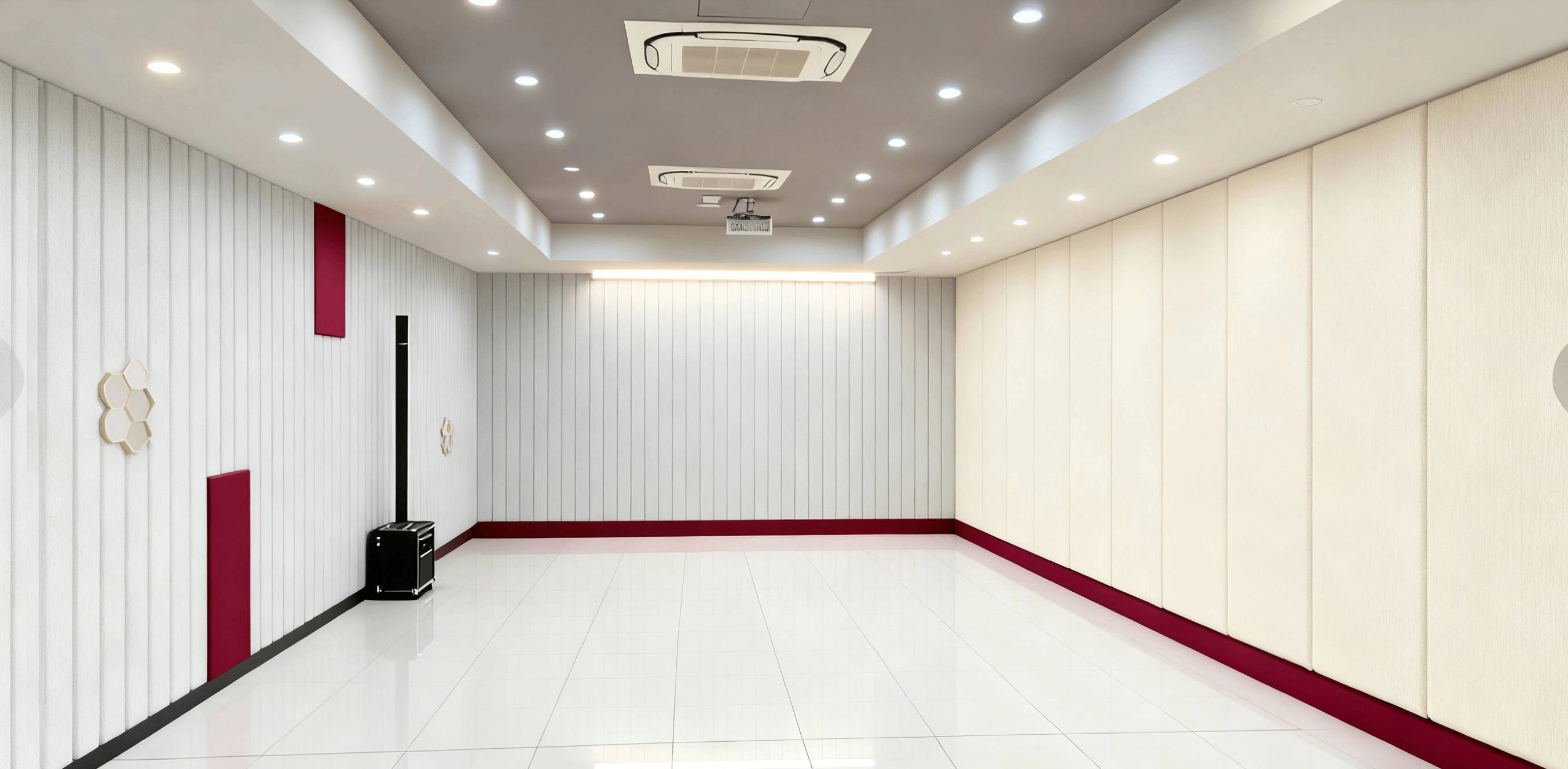
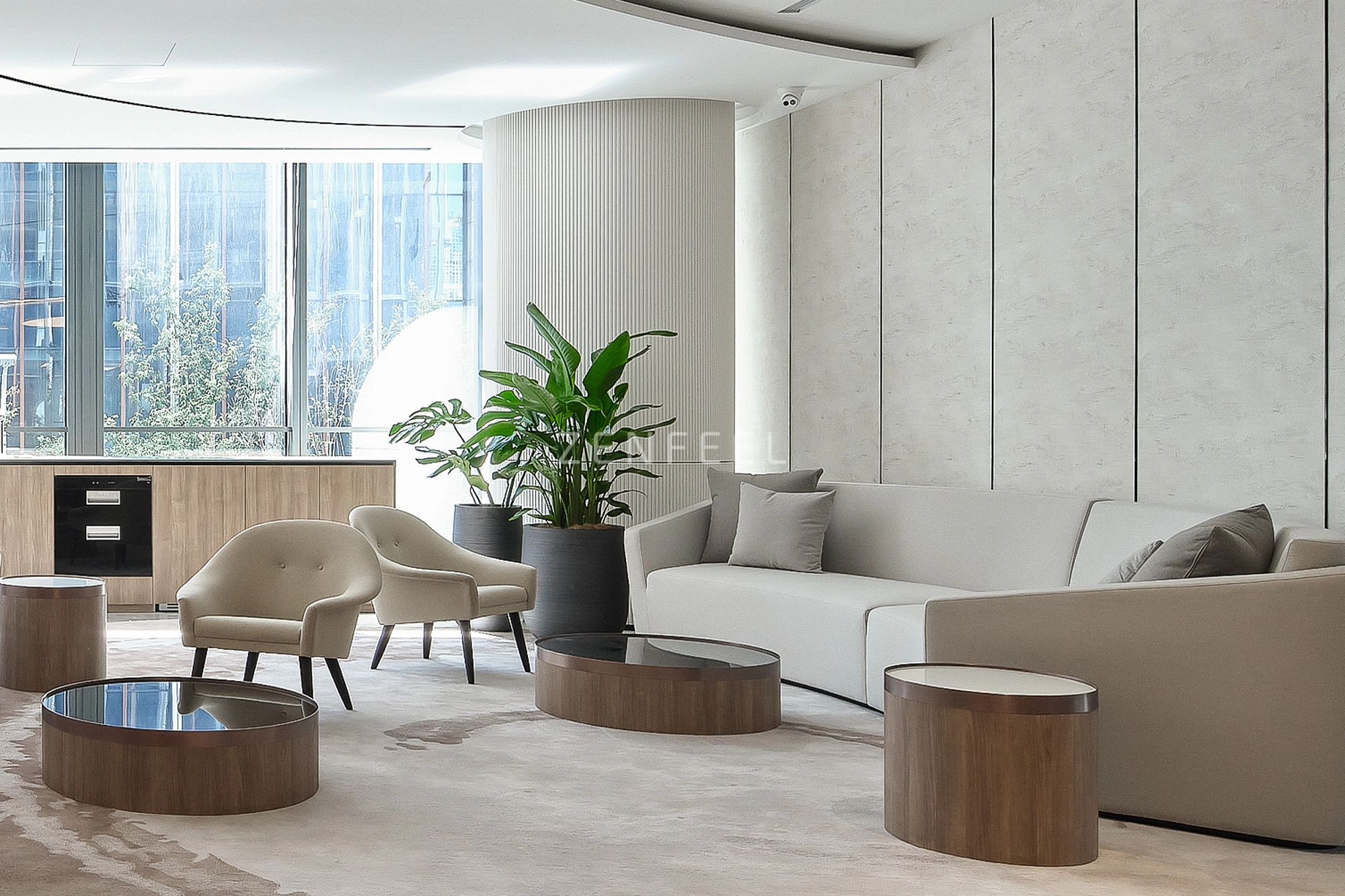
Introduction: The Growing Demand for Sustainable Office Acoustics
Modern workplaces are changing rapidly. As companies adopt open-plan layouts, collaborative areas, and flexible working environments, creating a comfortable office atmosphere has become more challenging. While open spaces encourage communication and creativity, they also introduce common problems such as excessive background noise, reduced concentration, and poor speech privacy.
To address these challenges, many businesses are turning to office acoustic panels as an effective solution for improving workplace sound quality. Among the various acoustic products available today, PET office acoustic panels have gained increasing attention because they combine excellent sound absorption performance with environmentally friendly features.
Made from recycled polyester fibers, PET acoustic panels offer a sustainable alternative to traditional acoustic materials while providing flexibility in design, easy installation, and long-term durability. For companies looking to create greener workplaces without compromising acoustic performance, choosing the right PET office acoustic panels can be a valuable investment.
This guide explores the key factors buyers should consider when selecting PET acoustic panels for office environments, including material quality, acoustic performance, design options, sustainability benefits, and practical applications.
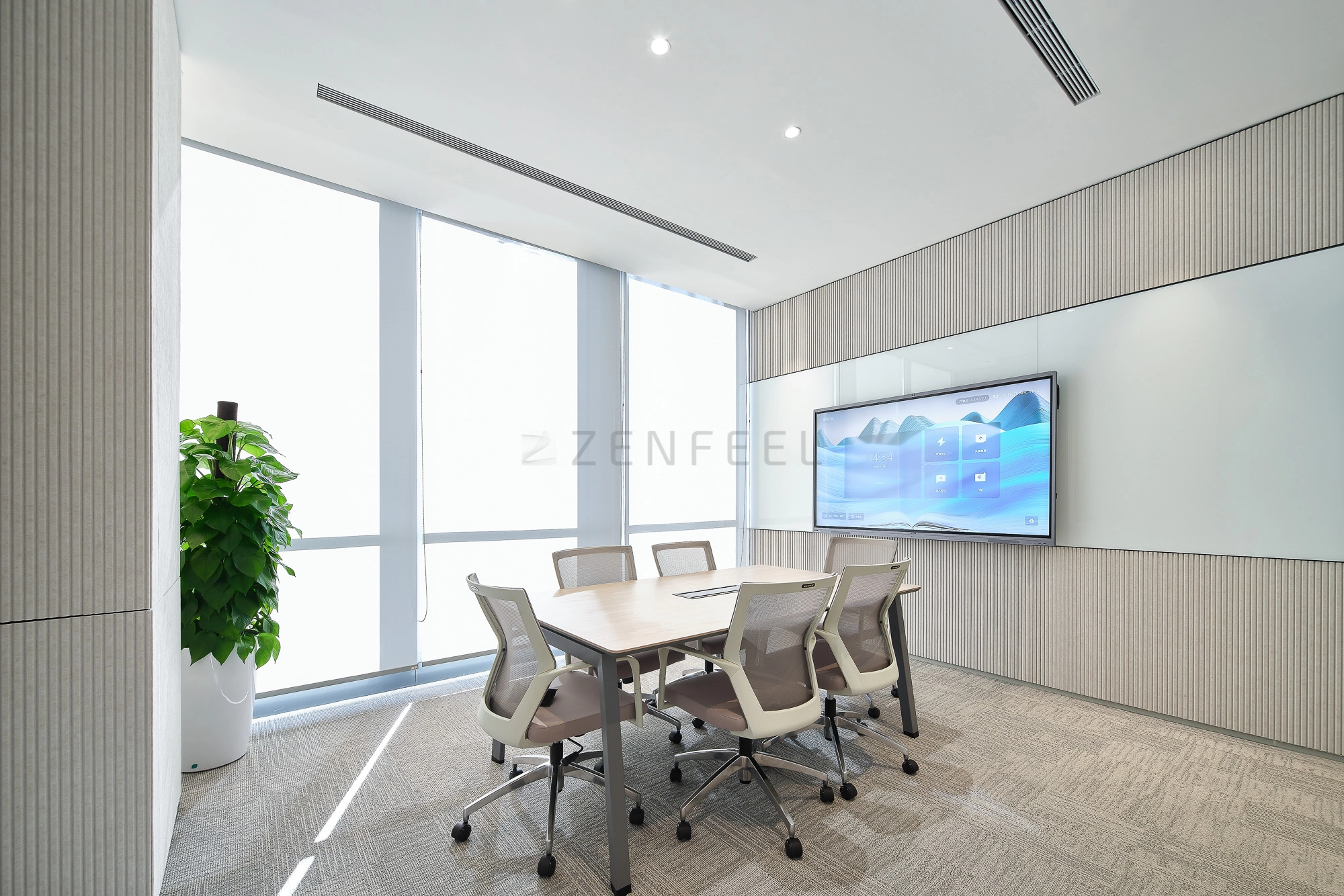
What Are PET Office Acoustic Panels?
PET office acoustic panels are sound-absorbing panels manufactured primarily from polyester fiber, often produced using recycled PET materials such as plastic bottles. Through a process of cleaning, melting, and reforming recycled polyester fibers, manufacturers create a lightweight yet durable acoustic material designed to reduce unwanted noise.
Unlike traditional soundproofing materials that mainly focus on blocking sound transmission, acoustic panels work by absorbing sound waves inside a room. When installed on walls, ceilings, partitions, or other surfaces, they reduce sound reflections and minimize echo, creating a more balanced acoustic environment.
For offices, PET acoustic panels are especially suitable because they provide:
Effective sound absorption
Lightweight construction
Flexible design possibilities
Environmentally responsible material options
Easy installation and maintenance
These advantages make them a popular choice for modern commercial interiors, including corporate offices, coworking spaces, conference rooms, and creative studios.
Why Choose PET Office Acoustic Panels for Eco-Friendly Workplaces?
1. Sustainable Material Made from Recycled Resources
One of the biggest advantages of PET office acoustic panels is their environmental value. Many PET acoustic panels are manufactured using recycled polyester fibers derived from post-consumer plastic bottles.
By transforming waste materials into functional building products, PET panels help reduce landfill waste and support circular economy practices. For businesses focusing on green building standards and sustainable office design, this makes PET acoustic panels an attractive choice.
Compared with some traditional acoustic materials that rely heavily on non-renewable resources, recycled PET panels provide a more environmentally conscious option without sacrificing performance.
Companies implementing sustainability strategies can use PET acoustic panels as part of their efforts to create environmentally responsible workplaces.
2. Excellent Sound Absorption Performance
A major reason businesses invest in office acoustic panels is to control workplace noise. Poor acoustics can negatively impact employee productivity, communication efficiency, and overall workplace satisfaction.
PET acoustic panels are designed with porous fiber structures that effectively absorb sound energy. When sound waves enter the panel, the fibers reduce sound reflection and prevent excessive reverberation.
This makes PET office acoustic panels particularly useful in areas such as:
By reducing background noise and improving speech clarity, PET panels help create a more comfortable and productive working environment.
When selecting panels, buyers should pay attention to acoustic ratings such as the Noise Reduction Coefficient (NRC). Higher NRC values generally indicate stronger sound absorption performance.
Key Factors to Consider When Choosing PET Office Acoustic Panels
1. Evaluate Acoustic Requirements of the Space
Different office areas have different acoustic challenges. Before purchasing PET acoustic panels, buyers should analyze the specific requirements of each space.
For example:
Open Office Areas
Large open offices often suffer from conversations, phone calls, and general background noise. In these environments, larger wall-mounted or suspended PET acoustic panels can help absorb excessive sound throughout the workspace.
Meeting Rooms
Meeting rooms require better speech clarity and privacy. Installing acoustic panels on walls or ceilings can reduce echoes and improve communication during discussions and video conferences.
Reception Areas
Reception spaces need a balance between aesthetics and acoustic comfort. Decorative PET panels can enhance interior design while controlling noise levels.
Choosing the right panel configuration based on room usage ensures better acoustic performance and cost efficiency.
2. Consider Panel Thickness and Density
The thickness and density of PET acoustic panels directly influence their sound absorption capabilities.
Generally:
Thicker panels provide stronger absorption, especially for lower-frequency sounds.
Higher-density materials can improve durability and acoustic efficiency.
Multi-layer designs may deliver enhanced noise control.
For standard office applications, commonly used PET acoustic panels are available in different thickness options to meet various acoustic requirements.
However, selecting the thickest option is not always necessary. Buyers should consider the room size, noise source, installation location, and acoustic goals before making a decision.
3. Choose Designs That Match Office Interiors
Modern offices are no longer focused only on functionality. Interior appearance plays an important role in workplace branding and employee experience.
One advantage of PET office acoustic panels is their design flexibility. They are available in various:
Colors
Shapes
Patterns
Textures
Surface finishes
Businesses can choose minimalist panels for professional corporate offices or creative designs for innovation-focused workplaces.
Popular design options include:
Geometric acoustic panels
Decorative wall panels
Hanging acoustic baffles
Custom-shaped acoustic solutions
Printed PET acoustic panels
This flexibility allows acoustic solutions to become part of the office interior design rather than simply being functional equipment.
PET Acoustic Panels vs Traditional Office Acoustic Solutions
When selecting office acoustic solutions, buyers often compare PET panels with other materials such as fabric-wrapped panels, foam panels, and mineral fiber products.
PET Acoustic Panels vs Fabric Acoustic Panels
Fabric acoustic panels are widely used because they provide good sound absorption and a premium appearance. However, PET panels often have advantages in terms of sustainability, lightweight structure, and design flexibility.
PET panels are also easier to clean and maintain in many office environments.
PET Acoustic Panels vs Foam Panels
Foam panels can provide effective sound absorption but may have limitations in appearance, durability, and environmental impact.
PET acoustic panels offer a more modern aesthetic and are often preferred for commercial spaces where design and sustainability are important.
PET Acoustic Panels vs Mineral Fiber Panels
Mineral fiber acoustic products are commonly used in ceilings and commercial buildings. However, PET panels are generally lighter, easier to handle, and offer more creative design options.
For offices seeking environmentally friendly acoustic improvements, PET panels provide a balanced solution between performance and sustainability.
Installation Options for PET Office Acoustic Panels
Another important consideration for buyers is installation flexibility. PET acoustic panels can be installed in multiple ways depending on office requirements.
Wall-Mounted PET Acoustic Panels
Wall-mounted panels are among the most common choices for offices. They can be installed strategically around areas with high noise reflection to improve room acoustics.
Suspended PET Acoustic Panels
Suspended acoustic panels are ideal for offices with high ceilings or large open areas. Hanging panels can absorb sound from multiple directions while creating an attractive architectural feature.
Acoustic Partition Panels
PET panels can also be integrated into office partitions to provide both space division and noise control.
This is particularly useful for flexible workplaces where employees need both collaboration areas and private working zones.
The Role of PET Acoustic Panels in Green Building Projects
Sustainability has become an important factor in commercial construction and office renovation projects. Many companies are pursuing green certifications and environmentally responsible workplace strategies.
PET acoustic panels can contribute to sustainable office projects because they:
For architects, designers, and construction companies, PET acoustic panels provide a practical way to combine acoustic comfort with environmental responsibility.
How to Select a Reliable PET Office Acoustic Panels Supplier
For businesses purchasing PET acoustic panels for large office projects, choosing a reliable supplier is essential.
Buyers should evaluate suppliers based on several factors:
Product Quality
Check whether the supplier provides consistent material quality, accurate specifications, and reliable acoustic performance data.
Customization Capability
Large commercial projects often require customized colors, sizes, shapes, or branding elements. A supplier with strong customization capabilities can provide better project solutions.
Manufacturing Experience
Experienced manufacturers usually have better control over production processes, quality inspection, and delivery schedules.
Certifications and Environmental Standards
For eco-friendly workplace projects, buyers should consider whether the supplier provides relevant material certifications and environmental documentation.
Future Trends of PET Office Acoustic Panels
As workplace design continues to evolve, demand for sustainable and flexible acoustic solutions is expected to grow.
Future developments in PET acoustic panels may include:
More advanced recycled materials
Improved sound absorption technologies
Smart acoustic integration
More customizable designs
Greater application in smart offices
With businesses placing more emphasis on employee wellbeing, sustainability, and workplace experience, PET office acoustic panels will continue to play an important role in modern office design.
Conclusion
Choosing the right PET office acoustic panels is an important step toward creating a quieter, healthier, and more sustainable workplace. These panels provide an effective combination of sound absorption, environmental responsibility, design flexibility, and long-lasting performance.
For companies planning office renovations, architects designing commercial interiors, or project buyers sourcing acoustic solutions, PET panels offer a practical way to improve workplace comfort while supporting green building goals.
By considering factors such as acoustic performance, material quality, design requirements, installation methods, and supplier reliability, businesses can select PET acoustic panels that meet both functional and sustainability objectives.
As modern workplaces continue to prioritize employee experience and environmental responsibility, PET office acoustic panels will remain a valuable solution for creating efficient, comfortable, and eco-friendly office environments.




 +86 18963687089

 en
en it
it es
es hu
hu ja
ja sv
sv pt
pt ms
ms ko
ko ru
ru fr
fr de
de ar
ar