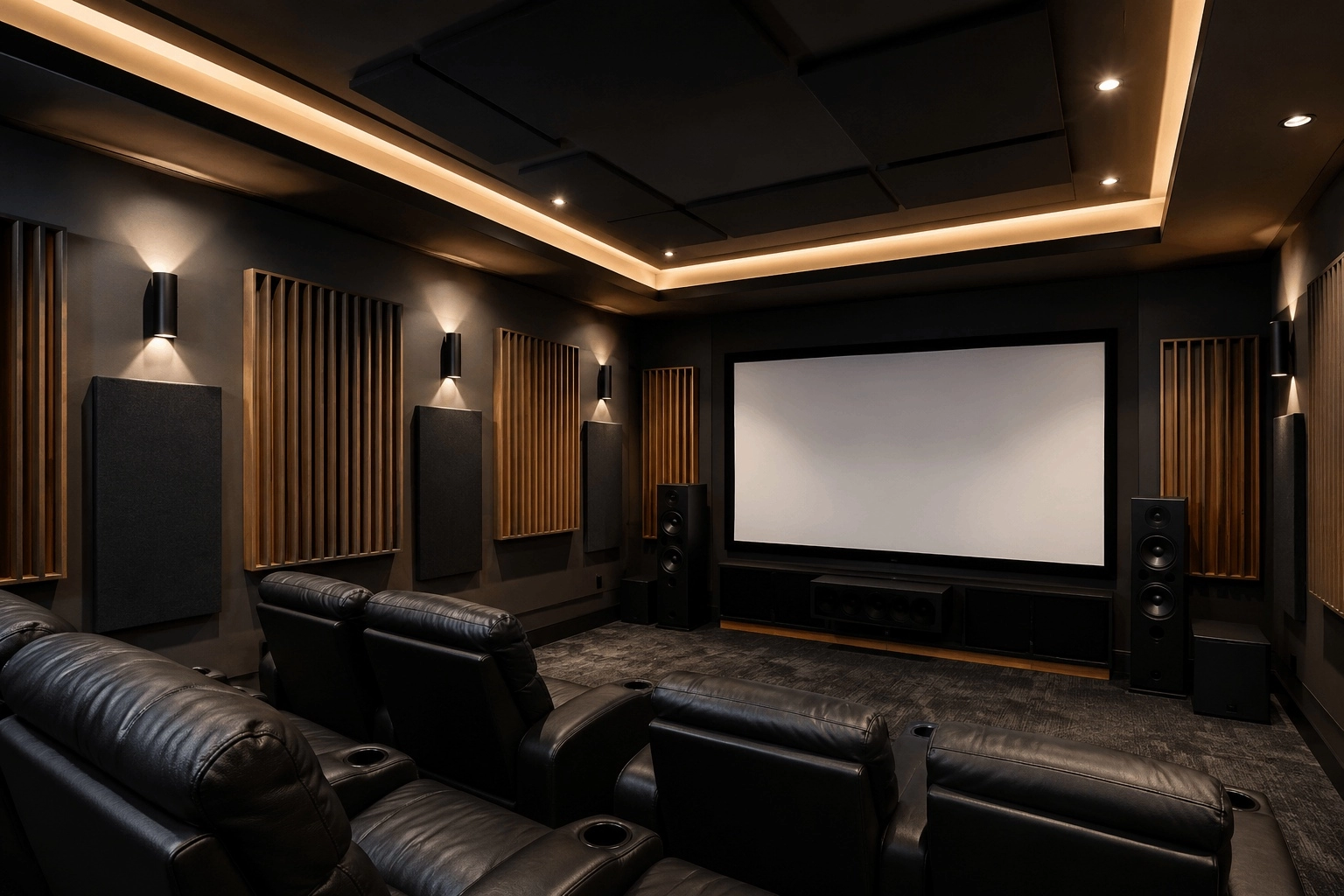
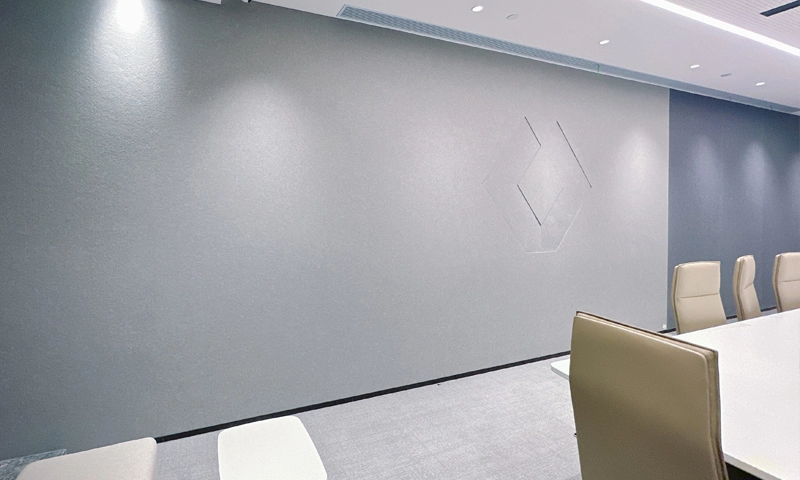
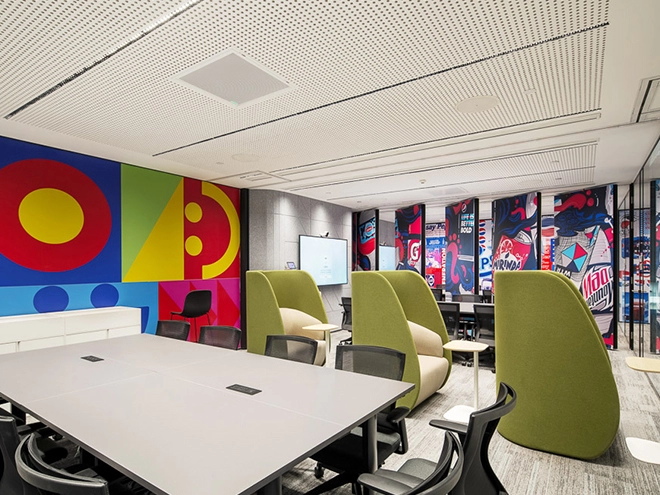
Hotels are designed to create memorable experiences. Guests expect comfortable rooms, attractive interiors, relaxing public spaces, and an environment where they can rest without being disturbed by excessive noise. While visual design has traditionally received significant attention in hotel projects, acoustic comfort is becoming equally important.
From guest rooms and corridors to restaurants, conference areas, lobbies, and lounges, unwanted sound can negatively affect how guests perceive a property. Footsteps in hallways, conversations outside rooms, restaurant noise, equipment sounds, and reverberation in large public spaces can all reduce comfort.
This is where honeycomb acoustic panels can provide an effective design solution. By combining acoustic performance with a distinctive geometric appearance, these panels allow hotel designers and architects to address sound-related challenges without sacrificing visual quality.
Rather than treating acoustic treatment as an afterthought, modern hotel projects can integrate acoustic panels directly into the interior concept. Honeycomb patterns, customizable finishes, different colors, and flexible installation options make honeycomb acoustic panels suitable for a wide range of hospitality environments.
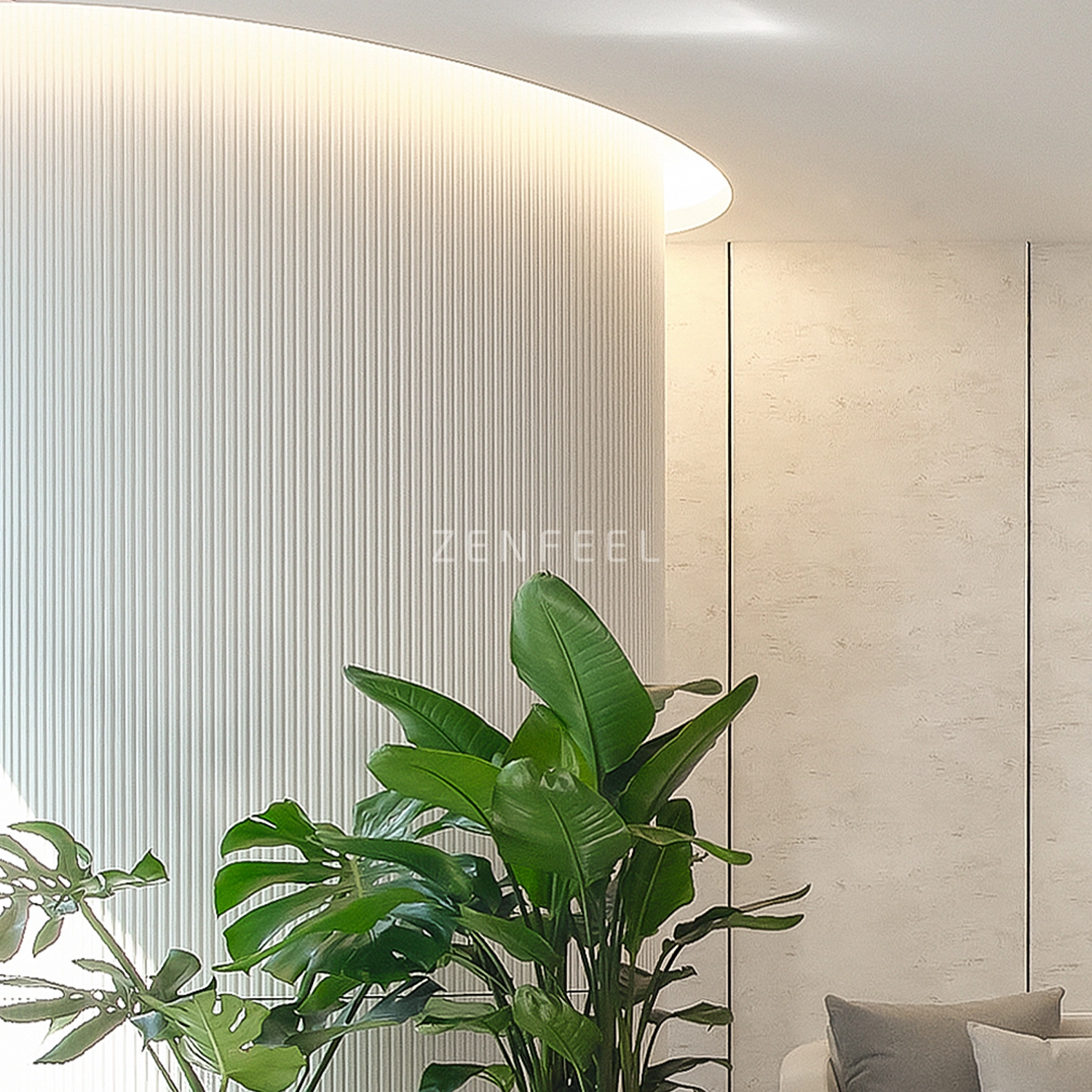
Why Acoustic Comfort Matters in Hotel Design
A hotel's atmosphere is influenced by much more than furniture, lighting, and decoration. Sound is an important part of the guest experience.
A beautifully designed lobby can still feel uncomfortable if conversations become excessively loud because sound reflects repeatedly from hard surfaces. Similarly, a restaurant with attractive stone, glass, and metal finishes may suffer from high reverberation, making conversations difficult.
In guest rooms, noise can be even more problematic. Guests generally expect a quiet environment for sleeping and relaxation. Noise from adjacent rooms, corridors, elevators, or public areas can affect their overall impression of the hotel.
Acoustic treatment can help manage these problems by reducing unwanted reflections and controlling reverberation within spaces.
However, hotel interiors often have strict aesthetic requirements. Designers may not want traditional acoustic products to become visually dominant or interfere with the architectural concept. This creates demand for acoustic solutions that perform well while contributing to the appearance of the space.
Honeycomb acoustic panels address this requirement by turning acoustic treatment into part of the interior design.
What Are Honeycomb Acoustic Panels?
Honeycomb acoustic panels are acoustic treatment products featuring a honeycomb-inspired geometric structure or pattern. Depending on the construction, the honeycomb design may be incorporated into the visible surface, core structure, decorative layer, or overall panel geometry.
The basic objective is to provide sound absorption while maintaining an attractive architectural appearance.
Many honeycomb acoustic panels for hotels can be manufactured in different sizes, thicknesses, colors, patterns, and surface finishes. This allows architects and interior designers to select configurations that complement the property's overall design language.
The honeycomb structure is particularly attractive for hospitality applications because geometric patterns can create visual rhythm without making a space feel overly complicated.
For example, a hotel designer might use repeated hexagonal elements across a feature wall, ceiling installation, or decorative partition. The acoustic treatment becomes part of the architectural composition rather than looking like a technical product added after construction.
Why Honeycomb Acoustic Panels Are Suitable for Hotels
Hotels have diverse spaces with very different acoustic and visual requirements. A guest room requires a different acoustic strategy from a restaurant or conference room.
The versatility of honeycomb acoustic panels makes them suitable for many of these applications.
1. They Combine Function and Decoration
Traditional acoustic treatment is often associated with functional materials that have limited decorative value. Hotel interiors, however, need products that support a carefully planned visual identity.
Honeycomb patterns provide a recognizable decorative element while serving an acoustic purpose.
This makes them particularly useful for feature walls, reception areas, lounges, and other spaces where both appearance and acoustic comfort matter.
2. They Support Contemporary Interior Design
Geometric patterns are widely used in modern hospitality interiors. Honeycomb structures can complement minimalist, contemporary, industrial, Scandinavian, and even luxury-inspired design concepts.
Depending on the finish, the same basic pattern can produce very different visual effects.
A neutral-colored panel may create a subtle architectural background, while contrasting colors can turn the acoustic installation into a focal point.
3. They Can Help Reduce Reverberation
Large hotel spaces frequently contain hard surfaces such as glass, stone, ceramic tiles, plaster, and metal. These surfaces reflect sound efficiently, potentially increasing reverberation.
Strategically installed hotel acoustic panels can absorb part of the sound energy and help create a more controlled acoustic environment.
The exact performance depends on panel construction, thickness, installation method, frequency range, and the acoustic characteristics of the room. Therefore, panel selection should be based on the actual acoustic requirements rather than appearance alone.
Hotel Areas Where Honeycomb Acoustic Panels Can Be Used
One of the biggest advantages of honeycomb acoustic panels for hospitality spaces is their application flexibility.
Hotel Lobbies
The lobby is usually one of the most visually important areas of a hotel. It may include a reception desk, seating areas, decorative lighting, large windows, stone flooring, and high ceilings.
These elements can create a sophisticated appearance but may also contribute to sound reflection.
Honeycomb acoustic panels can be integrated into feature walls or ceilings to introduce sound absorption while reinforcing the hotel's design concept.
A large geometric wall installation behind the reception area, for example, can serve as both an acoustic treatment and a visual centerpiece.
Guest Rooms
Guest rooms require particular attention to acoustic comfort because guests use them primarily for rest and privacy.
While wall and ceiling acoustic treatments cannot replace proper structural sound insulation, they can help manage sound reflections inside the room.
Smaller acoustic wall panels can be incorporated behind beds, on selected walls, or into decorative elements without overwhelming the room.
The goal is not simply to cover every available surface. Instead, designers should identify where acoustic treatment can provide the greatest benefit while maintaining a comfortable visual balance.
Corridors
Hotel corridors can become sources of unwanted noise because they connect many guest rooms and experience regular pedestrian traffic.
Hard corridor surfaces can reflect footsteps and conversations, making noise travel further.
Acoustic treatment on corridor walls or ceilings can help reduce reflections and make the environment feel quieter. Honeycomb designs can also break up visually repetitive corridor surfaces.
This is especially useful for hotels that want to combine functional improvements with stronger interior branding.
Restaurants and Dining Areas
Restaurants are another major acoustic challenge.
When many people talk simultaneously, background noise can increase quickly. Hard tables, floors, ceilings, and walls can reflect sound and make conversations more difficult.
Well-positioned restaurant acoustic panels can help reduce reverberation and improve speech comfort.
Honeycomb patterns are particularly suitable for restaurants because they can be adapted to decorative concepts. Panels can be coordinated with furniture, wall finishes, lighting, and brand colors.
Conference and Meeting Rooms
Hotel conference rooms require good speech intelligibility. Participants need to hear presentations, discussions, and video conferencing audio clearly.
Excessive reverberation can reduce communication quality, particularly in larger rooms.
A combination of ceiling absorption, wall treatment, carpeting, curtains, and appropriate furniture can create a more balanced acoustic environment.
Honeycomb acoustic wall panels can contribute to this strategy while giving meeting rooms a more distinctive appearance.
Hotel Bars and Lounges
Bars, lounges, and social areas often have lively sound environments. However, excessive reverberation can make them feel chaotic rather than energetic.
Acoustic panels can help control sound while preserving the social atmosphere.
In these spaces, designers have greater freedom to experiment with shapes, colors, and patterns. Honeycomb acoustic designs can therefore become an important part of the interior identity.
How Honeycomb Acoustic Panels Combine Acoustics and Aesthetics
The most important characteristic of these panels for hotel applications is their ability to connect acoustic performance with visual design.
Instead of asking, "Where can we hide the acoustic treatment?" designers can ask, "How can the acoustic treatment become part of the design?"
This shift can produce much better results.
Geometric Visual Appeal
The honeycomb pattern naturally creates a sense of order and repetition. Repeated hexagonal forms can make a large wall or ceiling more visually coherent.
The pattern can also be scaled according to the space.
Large honeycomb elements may work well in spacious hotel lobbies, while smaller patterns may be more appropriate for guest rooms or corridors.
Color Customization
Color has a major influence on hotel interior design.
Neutral shades such as beige, gray, white, and natural tones can create a sophisticated and understated appearance. Stronger colors can be used to reinforce brand identity or highlight specific areas.
For example, a hotel might use warm neutral decorative acoustic panels throughout its guest areas and introduce a stronger accent color in the lobby or restaurant.
Surface Finishes
Different surface treatments can further expand the design possibilities.
Depending on the product construction, panels may be available with textile, felt, wood-look, painted, printed, or other decorative finishes.
The selected finish should be evaluated not only for appearance but also for durability, cleaning requirements, fire performance, and suitability for the specific hotel environment.
Key Factors to Consider When Selecting Honeycomb Acoustic Panels for Hotels
Not every acoustic panel is suitable for every hospitality project. Hotel designers and purchasing teams should consider several technical and practical factors before making a decision.
Acoustic Performance
The first consideration should be the acoustic objective.
Is the goal to reduce reverberation? Improve speech intelligibility? Control reflections? Create a quieter atmosphere?
The answer determines the appropriate type, thickness, coverage area, and installation position.
Instead of selecting panels solely because they look attractive, hotel projects should evaluate measurable acoustic performance.
Fire Safety
Fire safety is especially important in hotels because they are occupied buildings with many rooms and public spaces.
Acoustic materials should meet the applicable fire-performance requirements for the project location and building type.
Before ordering, designers should request relevant test reports and documentation from the manufacturer.
Durability
Hotel interiors experience continuous use. Walls and ceilings may be exposed to frequent cleaning, contact, luggage movement, and general wear.
Therefore, commercial acoustic panels should be selected according to the expected level of use.
A material that performs well in a private office may not necessarily be the best choice for a busy hotel corridor or restaurant.
Maintenance and Cleaning
Hotels need to maintain a consistently clean appearance.
Panel surfaces should therefore be evaluated for dust accumulation, stain resistance, cleaning methods, and replacement requirements.
For restaurants and other high-traffic areas, maintenance considerations can be especially important.
Installation Method
Installation should be considered early in the design process.
Honeycomb panels may be installed on walls, ceilings, suspended systems, or other architectural structures depending on their construction.
The installation method affects both acoustic performance and visual appearance.
Poor installation can create unwanted gaps, alignment problems, or inconsistent visual patterns. Professional installation is therefore recommended for large-scale hospitality projects.
Designing an Effective Acoustic Strategy for a Hotel
Installing acoustic panels randomly throughout a hotel is unlikely to deliver the best results.
A more effective approach begins with identifying the acoustic problems of each space.
Step 1: Identify Noise Sources
Determine where unwanted sound originates.
Possible sources include:
Guest conversations
Footsteps
Elevators
HVAC systems
Kitchen equipment
Restaurant activity
Mechanical equipment
Conference presentations
External traffic
Understanding the source helps determine whether absorption, sound insulation, vibration control, or another solution is required.
Step 2: Analyze the Room
Room dimensions, ceiling height, surface materials, furniture, and occupancy all affect acoustic behavior.
A large lobby with a high ceiling will have different requirements from a small guest room.
Step 3: Select Appropriate Acoustic Materials
Choose acoustic panels for hotels based on both performance and design requirements.
Consider absorption characteristics, fire classification, dimensions, thickness, surface finish, durability, and maintenance.
Step 4: Plan Panel Placement
Panel placement is as important as panel selection.
Wall-mounted panels can address reflections from vertical surfaces, while ceiling treatments can be effective in large open spaces.
A combination of locations may provide better acoustic balance than concentrating all treatment on one surface.
Step 5: Coordinate with Interior Design
Acoustic panels should be incorporated into the architectural drawings early.
This allows designers to coordinate them with lighting, sprinklers, HVAC outlets, furniture, signage, doors, and other interior elements.
Sustainability Considerations for Hotel Acoustic Panels
Sustainability is increasingly important in hospitality projects.
Hotels are under growing pressure to reduce environmental impact while maintaining high design and performance standards.
When evaluating sustainable acoustic panels, project teams can consider recycled content, material sourcing, manufacturing processes, product lifespan, recyclability, and packaging.
Long-lasting acoustic materials may provide environmental advantages because they do not need to be replaced frequently.
However, sustainability claims should be supported by manufacturer documentation rather than relying solely on marketing language.
Where green building certification is involved, designers should also check whether the selected product can contribute to the project's specific material and indoor-environment requirements.
Why Aesthetics Should Not Be Separated from Acoustic Performance
One of the biggest mistakes in hotel interior planning is treating acoustic comfort and aesthetics as completely separate objectives.
A room that looks beautiful but sounds uncomfortable is not necessarily successful.
Conversely, a room with excellent acoustic performance but an unattractive or poorly integrated interior may also fail to deliver the desired guest experience.
The strongest hotel environments combine both.
Honeycomb acoustic panels illustrate this approach particularly well because their geometric form can become part of the interior architecture.
They can help transform an acoustic requirement into a design opportunity.
Instead of hiding acoustic treatment behind walls or treating it as an unwanted technical element, hotel designers can make it visible and intentional.
Choosing the Right Honeycomb Acoustic Panel Manufacturer
The manufacturer plays an important role in the success of a hotel acoustic project.
When evaluating suppliers, buyers should look beyond product photographs and basic pricing.
Consider the manufacturer's:
Acoustic testing capabilities
Material quality
Fire-safety documentation
Customization options
Production capacity
Quality-control procedures
Installation support
Sample availability
Lead times
Packaging and shipping capabilities
Experience with commercial projects
Requesting samples before placing a large order is particularly useful.
Samples allow designers to evaluate color, texture, dimensions, edge quality, pattern consistency, and overall appearance under actual project lighting.
For large hotel developments, it can also be useful to request technical documentation and project references from the supplier.
The Future of Acoustic Design in Hospitality
Hotel design is becoming increasingly experience-driven. Guests notice details that may not have received as much attention in the past, including sound quality, privacy, comfort, and overall atmosphere.
This trend creates opportunities for acoustic products that combine technical functionality with architectural design.
Future hotel projects are likely to use acoustic materials more creatively, integrating them into walls, ceilings, partitions, furniture, and decorative structures.
Honeycomb acoustic panels are well positioned for this trend because their modular geometric appearance provides designers with considerable creative flexibility.
As customization technologies continue to improve, hotel owners and designers can expect more options for colors, patterns, dimensions, finishes, and configurations.
Conclusion
Hotels require an interior environment that looks impressive, feels comfortable, and performs well acoustically. Managing sound should therefore be considered an integral part of hospitality design rather than a secondary technical task.
Honeycomb acoustic panels for hotels offer a practical way to connect these requirements. Their geometric appearance can enhance walls and ceilings, while their acoustic properties can help control reverberation and improve the overall sound environment when appropriately specified and installed.
From hotel lobbies and restaurants to guest rooms, corridors, conference rooms, and lounges, honeycomb acoustic panels can be adapted to different applications and design concepts.
The key is to select panels based on actual acoustic requirements, fire and safety standards, durability, maintenance needs, installation conditions, and aesthetic goals.
For architects, interior designers, hotel developers, and procurement teams, the right acoustic solution is not simply the product with the best appearance or the highest absorption rating. It is the solution that successfully balances acoustic performance, aesthetics, durability, customization, and long-term value.
When these factors are considered together, honeycomb acoustic panels can do more than reduce unwanted sound. They can become an integral part of the hotel's visual identity and contribute to a more comfortable, memorable guest experience.




 +86 18963687089

 en
en it
it es
es hu
hu ja
ja sv
sv pt
pt ms
ms ko
ko ru
ru fr
fr de
de ar
ar